
Models that makes you stoked!
All the layers of Martin's career play tricks on our minds.
- Written by Peter Edenberg 2026-06-22
- Photos by Martin Aveyard
I think many people, myself included, can look back to those moments spent with glue, paint cans, and a model kit that you either got for Christmas or bought with your weekly allowance.
When I was a kid, I would sit up late in the evenings painting different body parts that were still attached to their plastic sprues. Using clothespins, I would hang them from a string stretched between my bookshelves.
More often than not, it was Porsches lying in pieces in front of me — 944s, 911s, 917s, and 924s.
The dream was to one day own an airbrush so I could paint my models properly and beautifully, just like the ones I saw in the model-building magazines.
I even tried photographing some of my models in different environments. Outdoors on electrical cabinets, indoors on the floor, but the results were always disappointing when I got the developed photos back a week later.
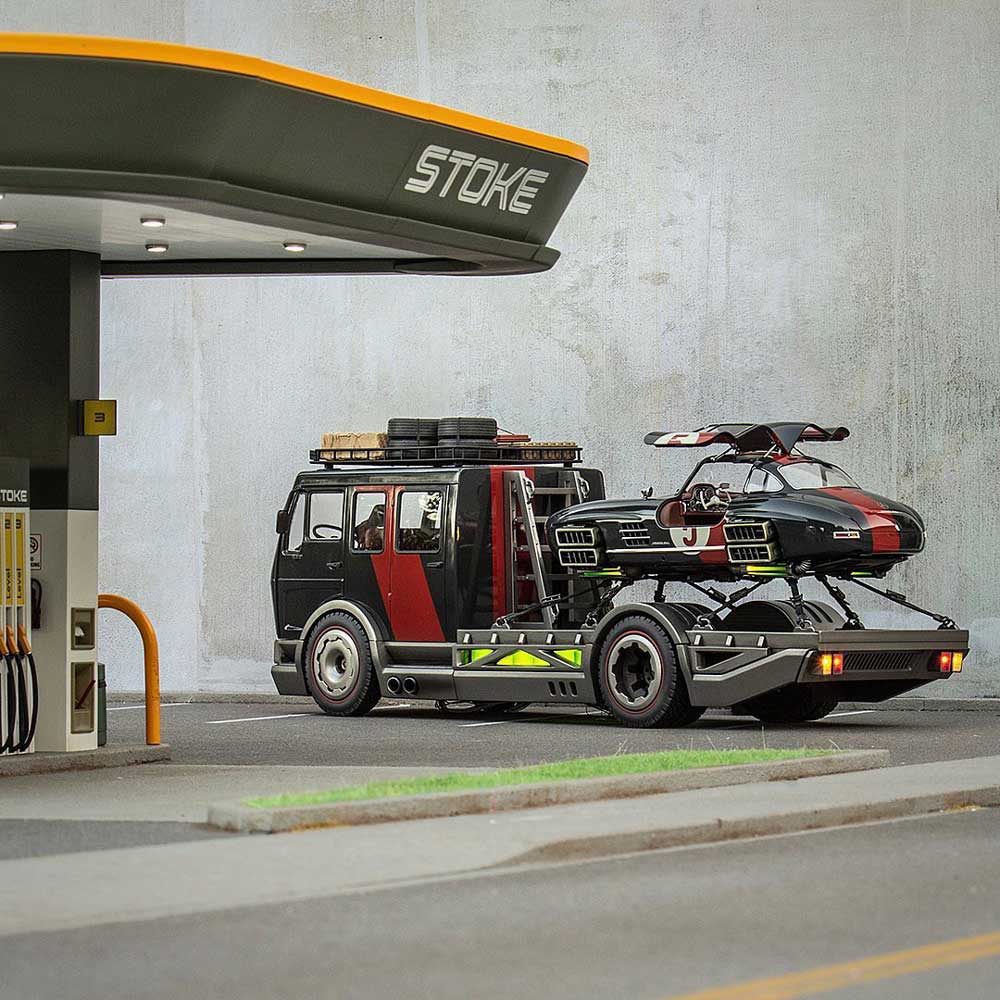
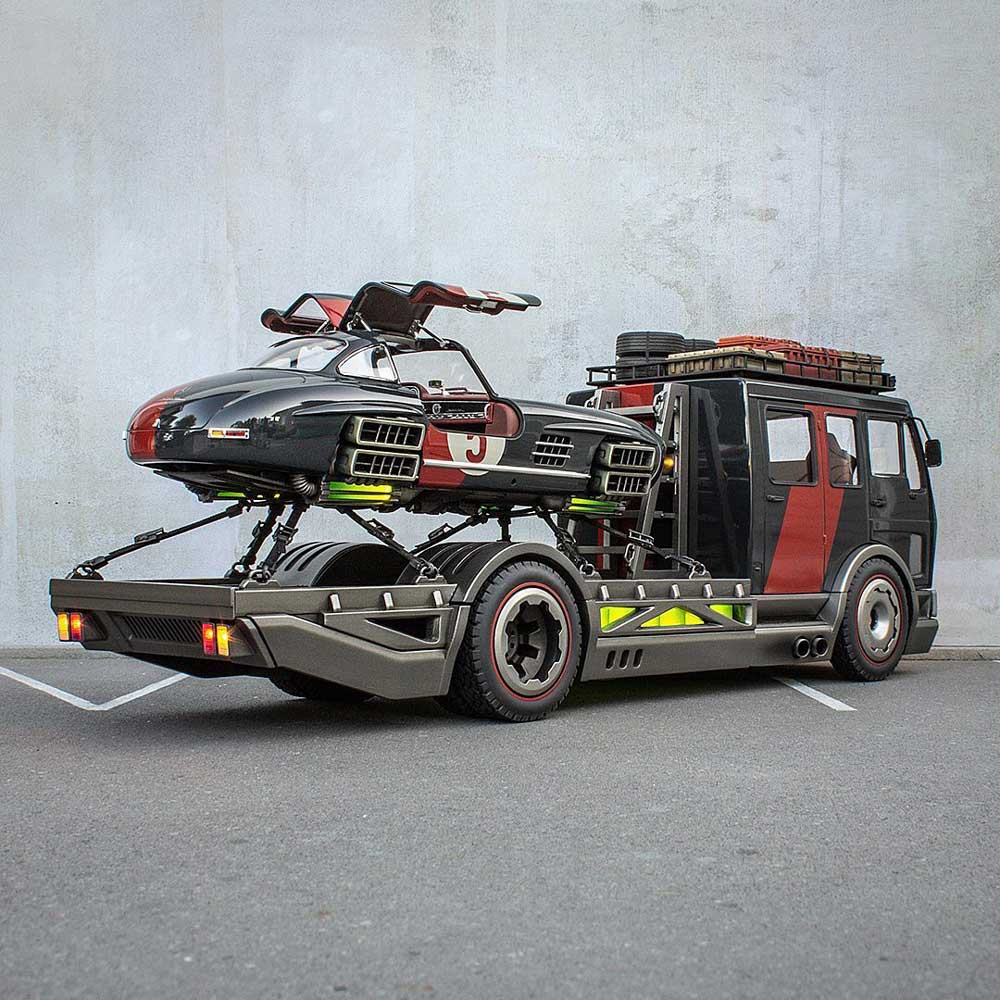
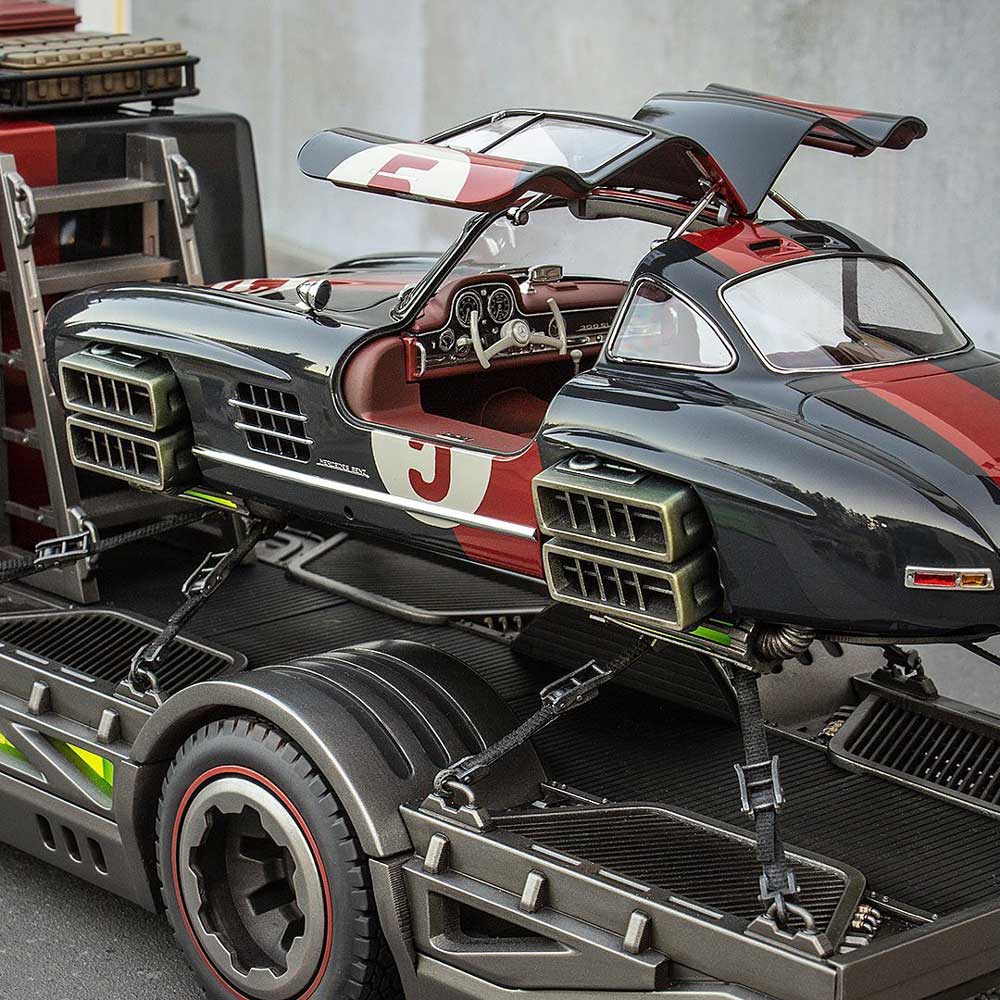
I still have most of those models, safely stored away in a box in the attic. The ones that never made it there were the ones that had a rocket or firecracker attached to them and ended up in pieces once again.
I especially remember a 1:48 scale Saab Viggen that had a rocket strapped to it — and let me tell you, it flew. One last time. I think the accident investigation board is probably still searching for parts of it in the field outside my childhood home.
Ever since those days, models have fascinated me, especially the ones that make you rub your eyes and think for a moment: is it real, or is it a model?
That was exactly what happened the first time I came across Stoke Models / Martin Aveyard’s Instagram account.

A finger in the middle of everything!
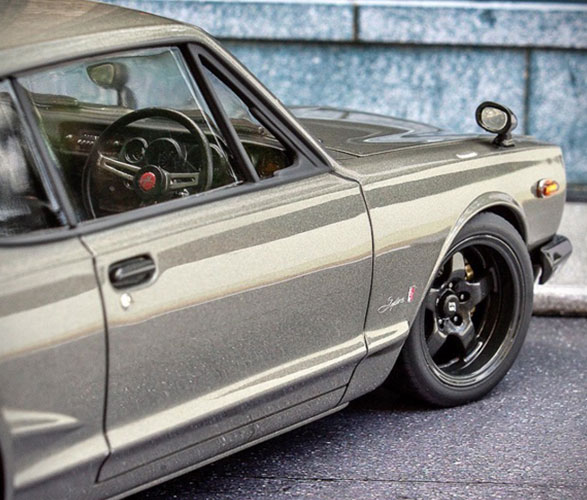
At a gas station stands a beautifully built Nissan Skyline 2000 GT-R. Metallic grey, well-preserved, clean, and modified — not much, but perfectly.
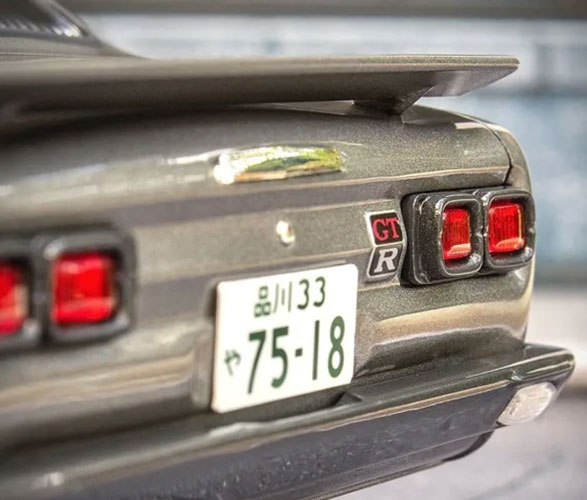
The rear wing sits nicely in line with the car’s boxy shape, and the GT-R badge is perfectly placed. The four taillights are dark, waiting to light up again once the owner has finished refueling and starts the car. I can almost hear the deep rumble from the 2.5-inch exhaust system that will soon come to life.
In the background, a blue Ford Mustang is parked with its rear end facing a brick wall that has probably seen better days and contains almost as many different shades of brick as I have fingers.
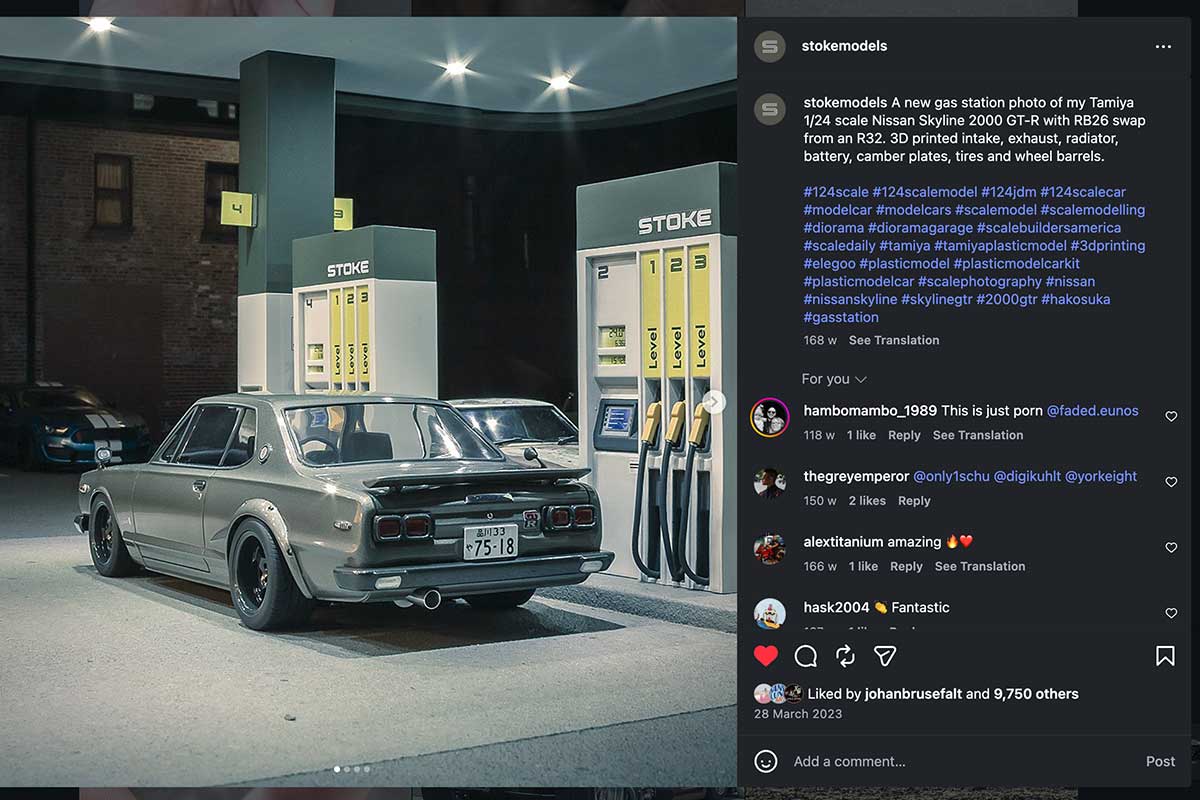
The lights in the gas station canopy cast the perfect glow for the evening — but I can’t quite make sense of the appearance of the license plate on the Nissan.
I notice there are more photos and swipe to the right.
In the next image, I’m looking straight down into the GT-R’s engine bay and ... a pair of fingers!
Even when I see the fingers, I still think to myself — that can’t be the original engine.
I read the text posted together with the image and quickly realize that my brain has been fooled. The caption reads:
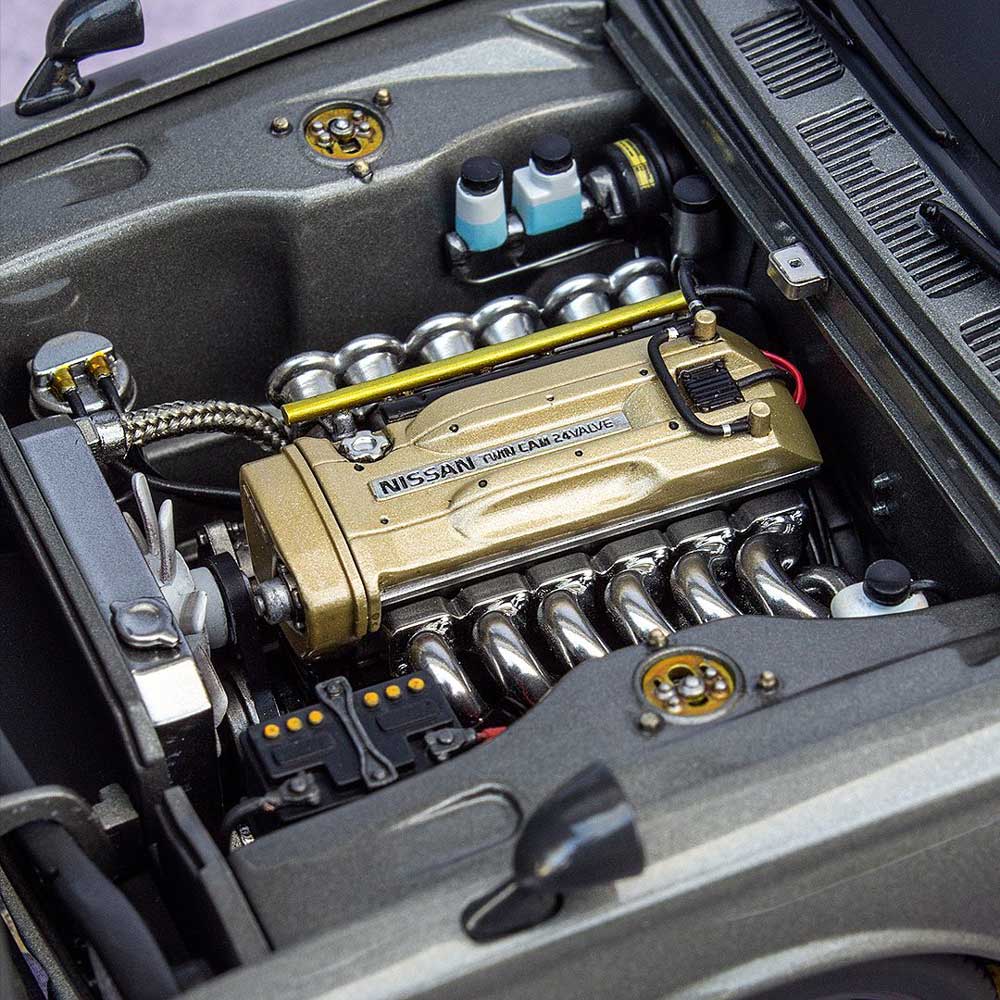
“A new gas station photo of my Tamiya 1/24 scale Nissan Skyline 2000 GT-R with RB26 swap from an R32. 3D printed intake, exhaust, radiator, battery, camber plates, tires and wheel barrels.”
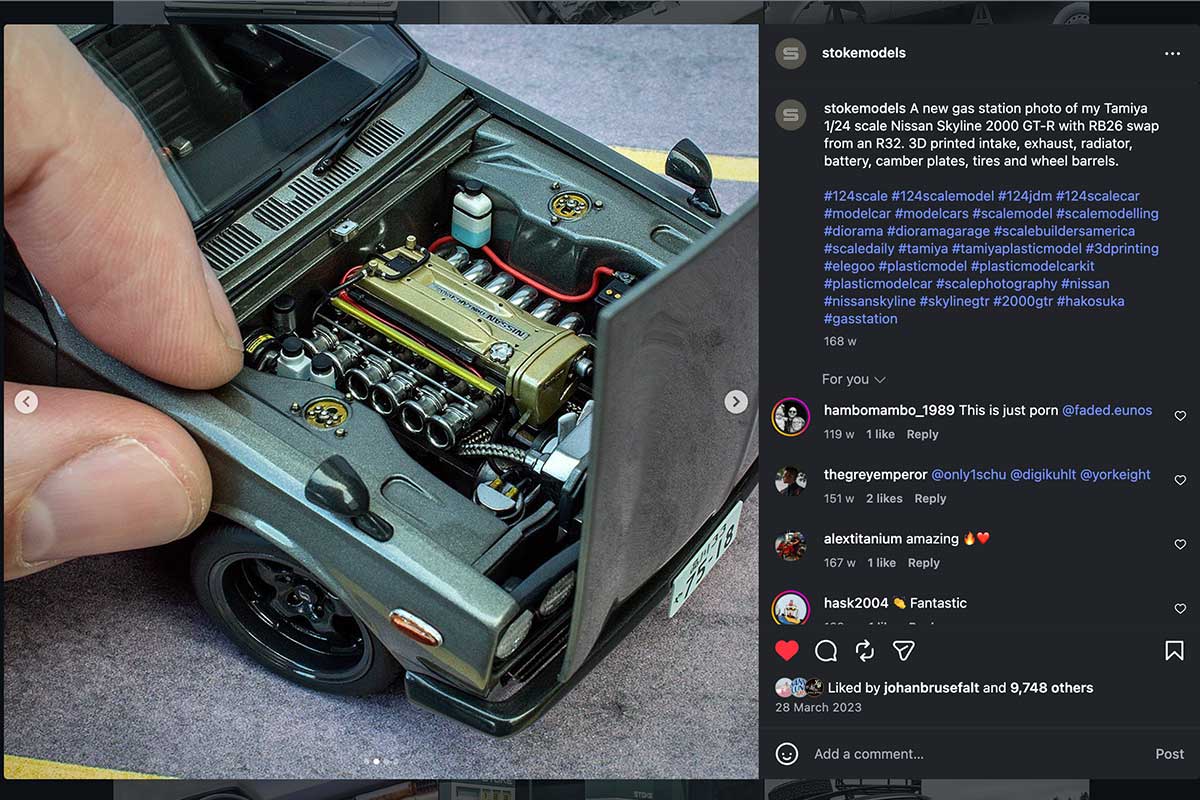
I knew there was something that didn’t quite add up about both the photo and the model.
Later, when I start reading more about Martin and Stoke Models, I learn the story behind the fingers:
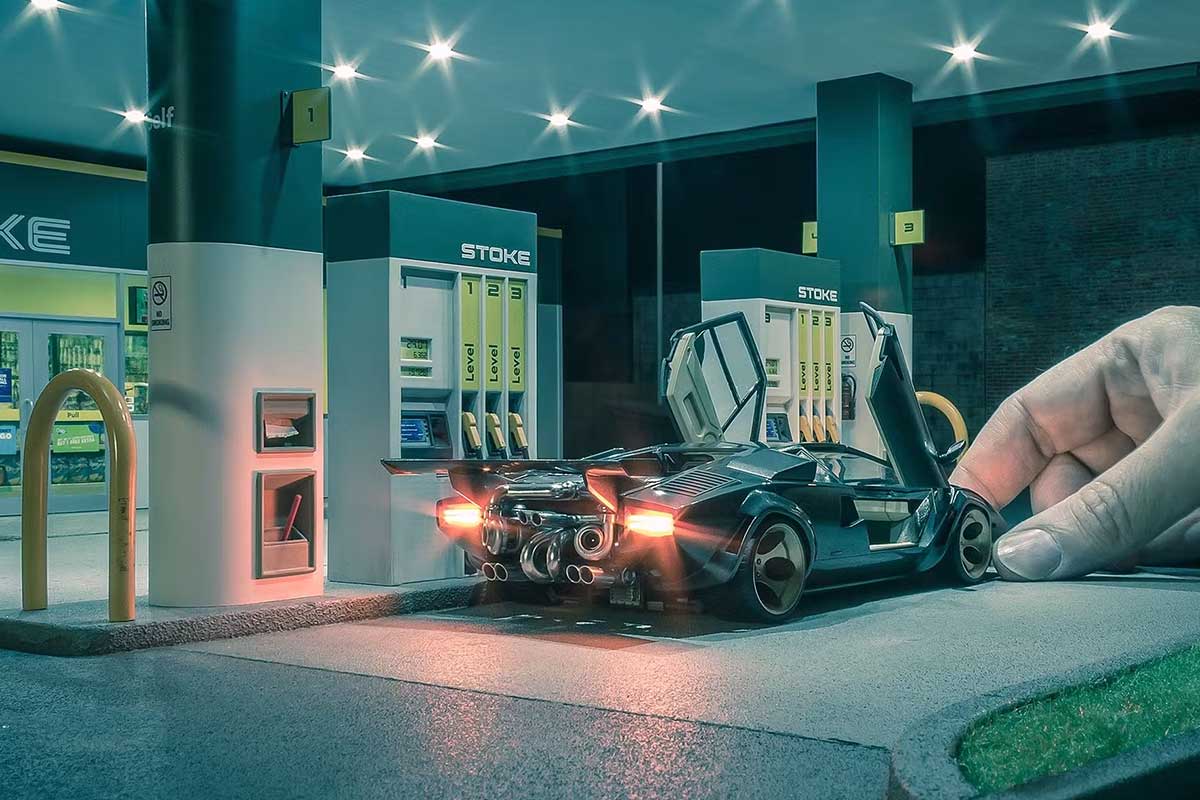
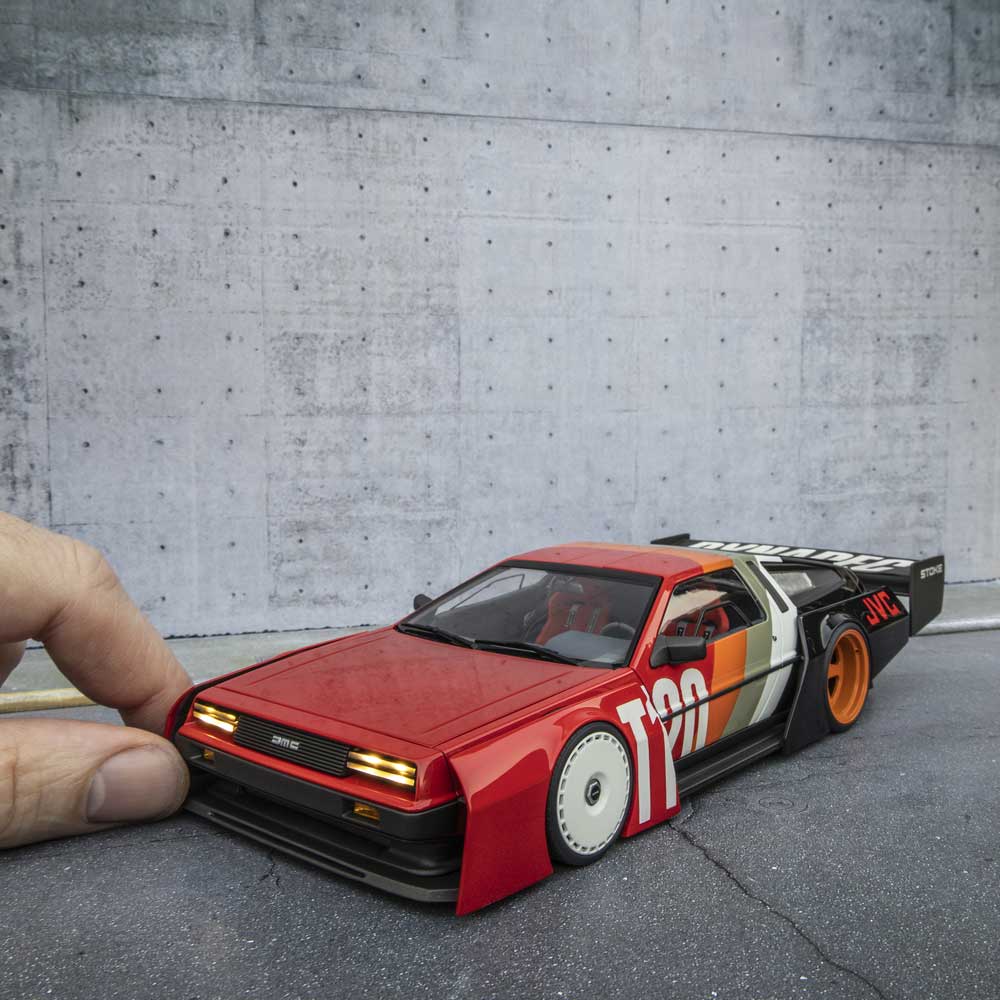
“I picked up the finger idea from a Finnish model builder named Eero Kumanto. Everyone knows roughly how big a thumb is — so they also understand the level of detail involved when they see the car next to my finger. It has become a bit of my signature, showing that these are models that I work on.”
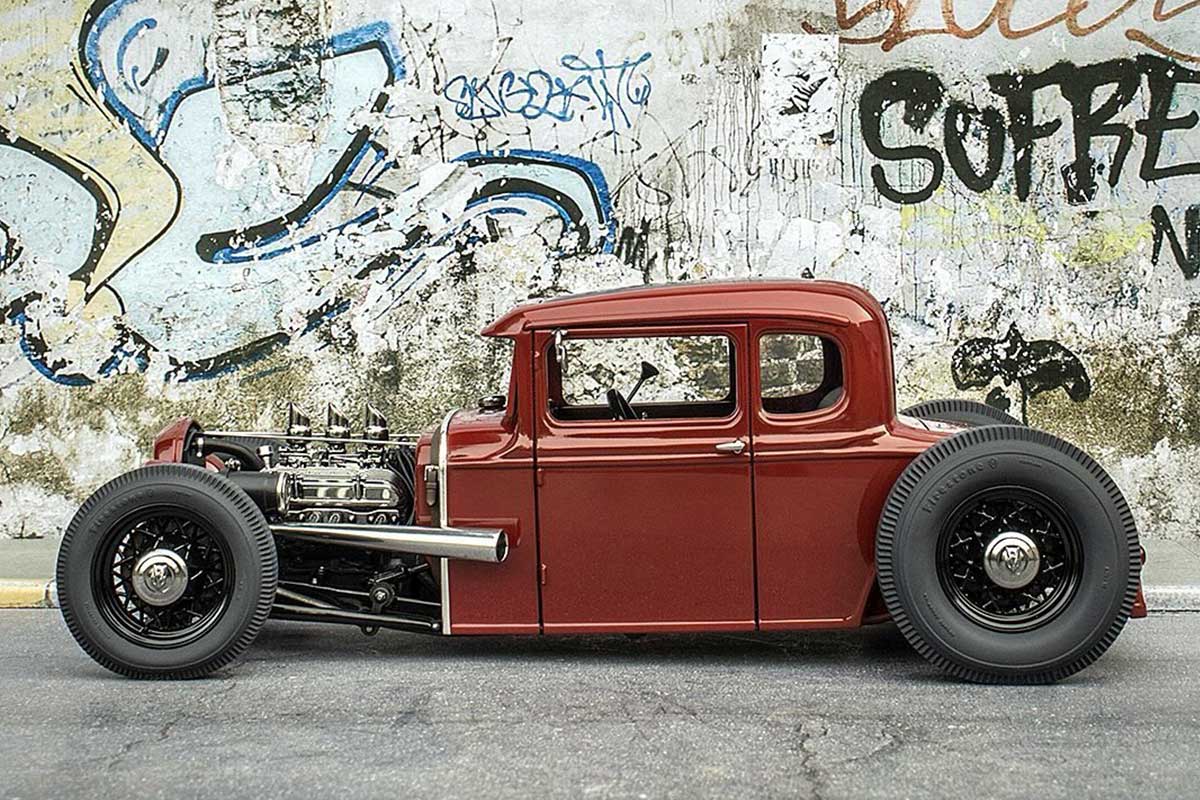
Do notice the wheels - its just little less air pressure in the bottom - thought throw
cars were meant to be worked on
Martin was born in Stoke-on-Trent, UK — which is where the name Stoke comes from — but moved to Canada at a age of three.
Ever since childhood, cars have been a part of his life in one way or another.
His father always believed that it was better to repair something than buy a new one, so throughout Martin’s upbringing he learned that cars were meant to be worked on.
Martin himself played with cars — especially Hot Wheels and Matchbox — but he also spent a lot of time drawing.
He found inspiration in CarToons magazine and drew countless George Trosley-style hot rods.
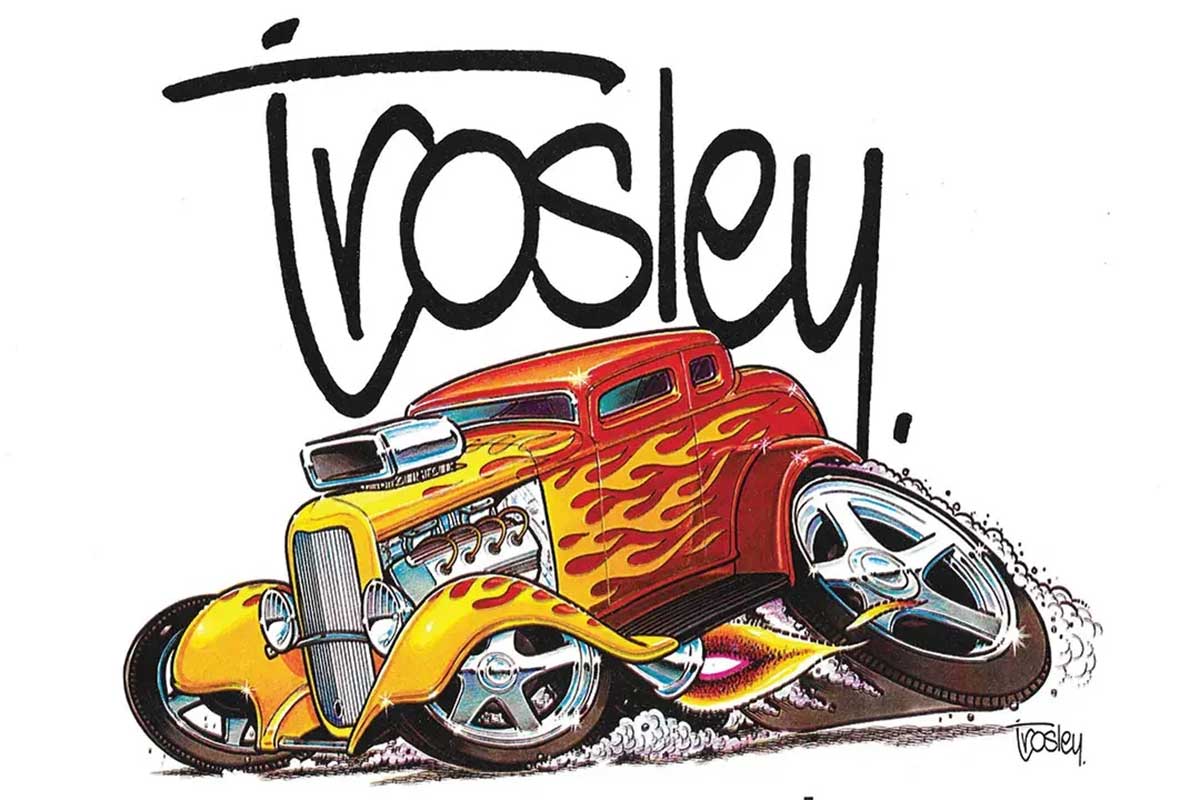
When one of his friends got a car at the age of sixteen, it was treated just like his father’s cars — it needed to be worked on. Radiators were replaced, exhaust systems were swapped, and the tinkering continued. It’s been that way throughout Martin’s life.
Alongside the drawing, playing, and wrenching, he also built model cars, just like so many others. They came in boxes with instruction sheets showing exactly how the parts were meant to be glued together in order to create something that resembled the car pictured on the front of the box.
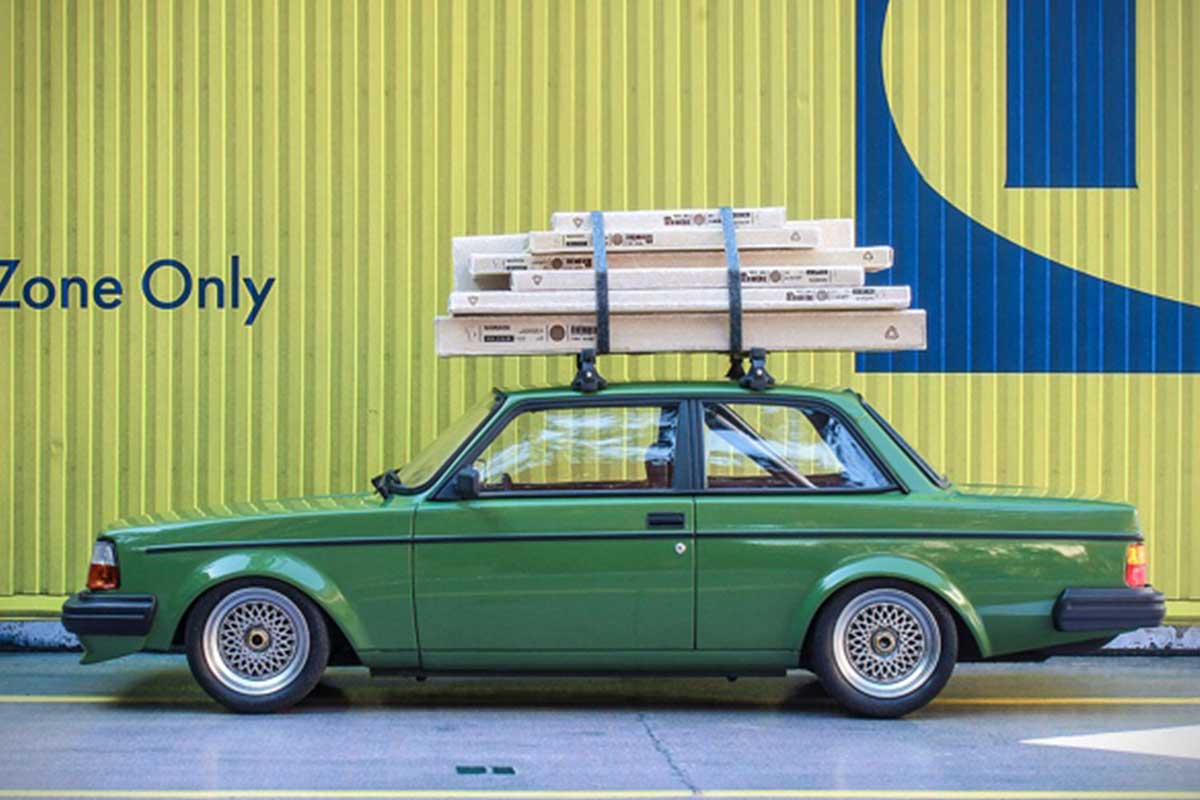
A 30 year career in Graphic design
During his school years, Martin wanted to become a car designer. His guidance counselor advised him to become an engineer, explaining that engineers are the ones who design and build cars while working within all the rules and regulations that need to be followed.
In his final year of high school, Martin realized that algebra and everything that came with engineering studies simply weren’t for him. He only wanted to do the creative work, not all the surrounding requirements needed to become a car designer. On top of that, the schools that specialized in automotive design were far too expensive.
He took a break from education, but after a few years the spark returned. He enrolled in a two-year program and eventually earned qualifications as a Graphic Designer, Art Designer, and Illustrator.
For the past 30 years, he has built a career in the field of graphic design, something he has fortunately brought with him into the world of model car building for all of us to enjoy.
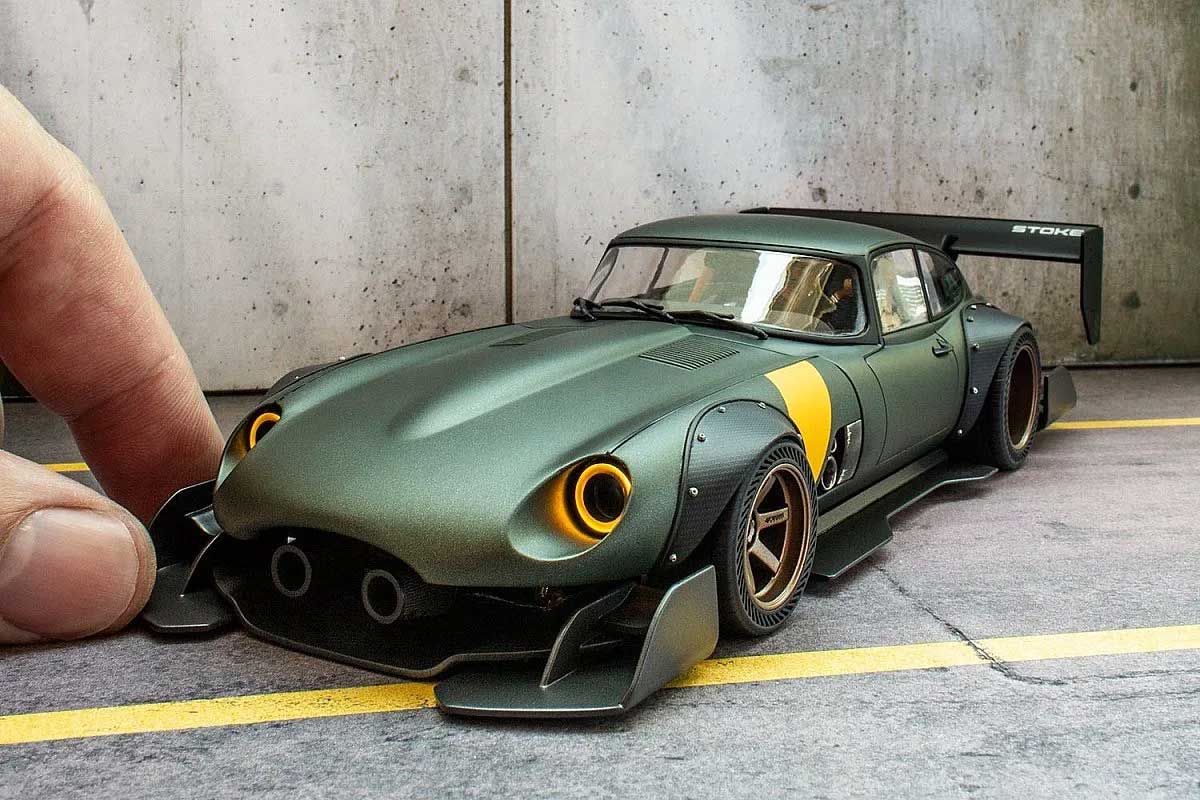
Martin needed a new hobby
Around 2019, Martin decided he wanted a hobby. His children had gotten a little older, and he finally had some spare time on his hands.
One of the main criteria for this hobby was that it couldn’t make too much noise, as he didn’t want to disturb his family in the evenings.
So he returned to model building, something he hadn’t done for nearly fifteen years.
The first models he built were Formula 1 cars.
In “The Automotive Podcast – Episode 30,” Martin explains that with some F1 models, if something was even slightly wrong at the beginning, everything would be wrong by the end. He also mentions that the models themselves didn’t always have the best fit and finish.
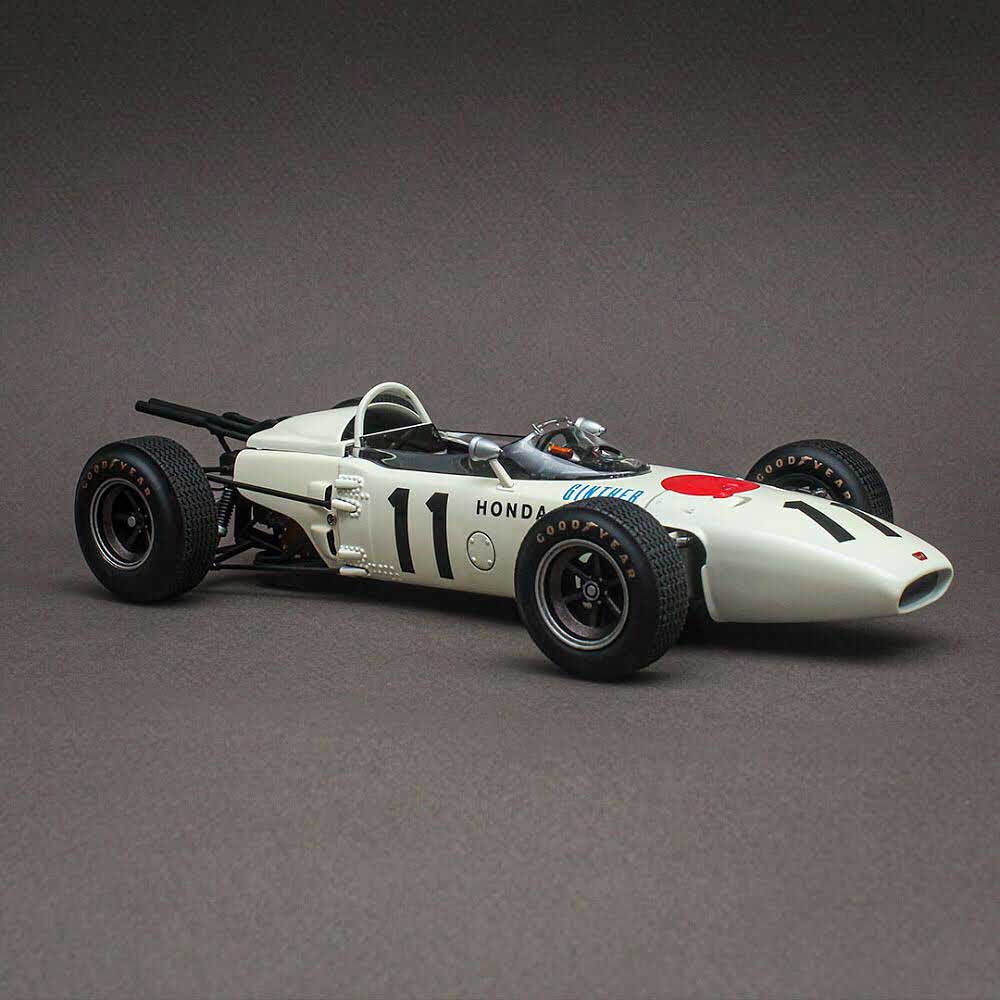
The first model and photograph Martin posted on his Instagram account, on January 21st, 2020, was a Honda RA272 — a beautiful, carefully built Formula 1 car that, from what I can see, appears to fit together perfectly.
The caption simply read:
“A new home for just my scale model making. This was the first foray back into the hobby after 15 years.”
The real car itself represents a historic milestone for Honda, having won the company’s first Formula 1 race in 1965 after leading every lap of the Mexican Grand Prix with driver Richie Ginther behind the wheel. Since then, Honda has gone on to win more than eighty Formula 1 races throughout its history.
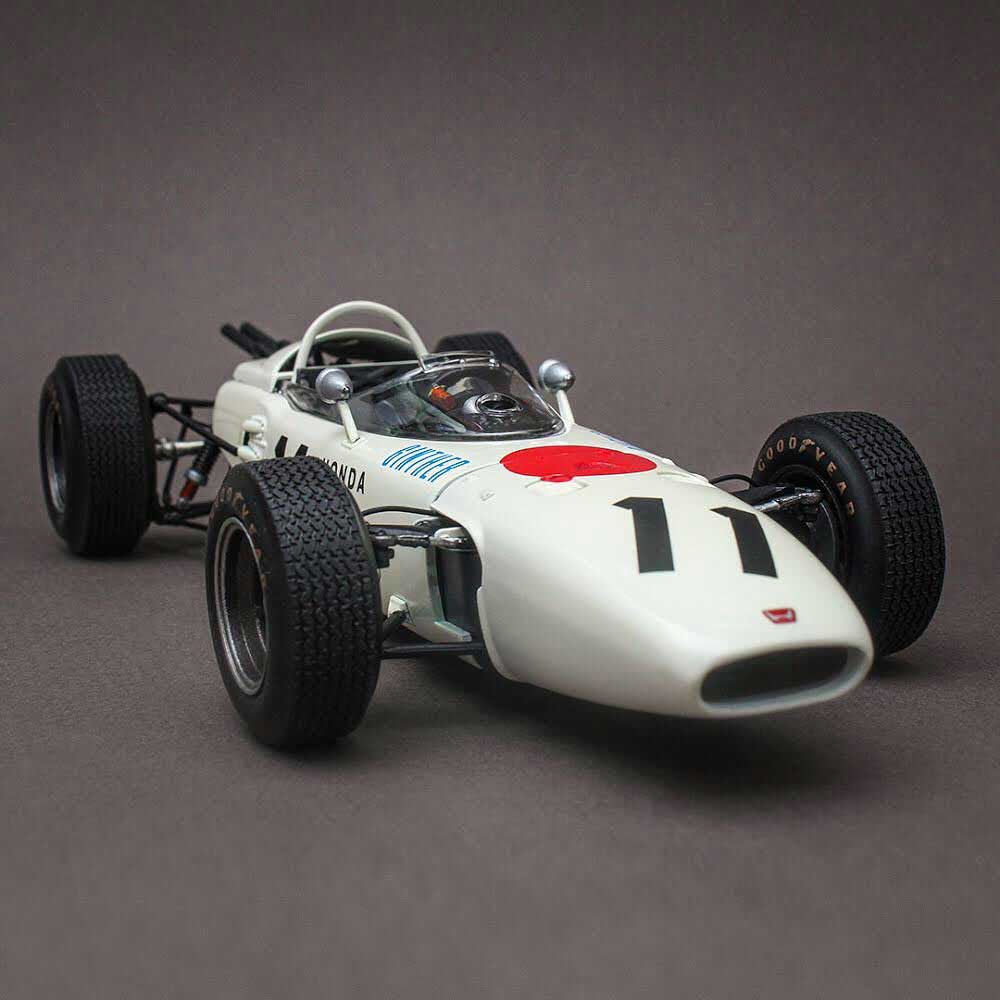
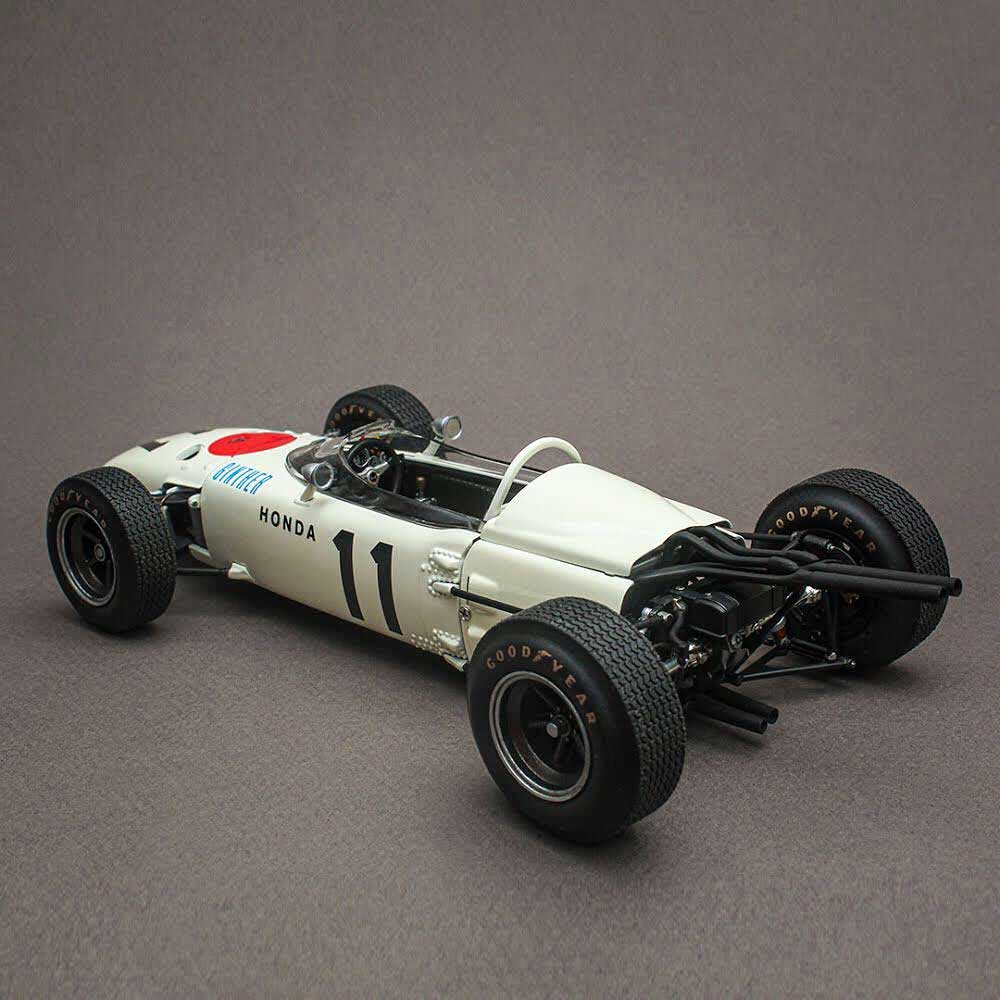
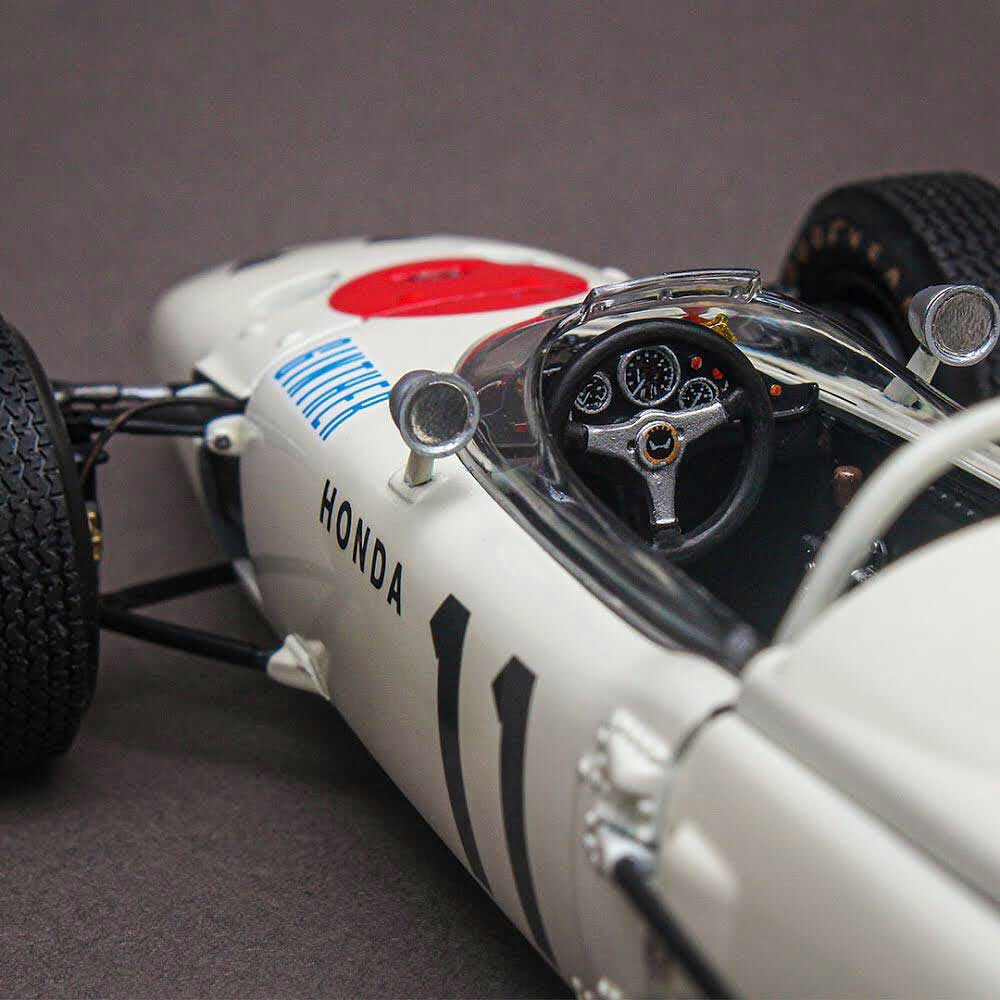
Choosing a car like that as the very first image on your Instagram account commands respect - and the level of detail in the model is simply out of this world.
I can feel the frustrated child inside me not quite knowing how to react to this creation. I often sat there with too much glue, too little glue, parts that didn’t fit properly, decals that tore apart, or paint ruined by excess adhesive - and then I look at this Honda and see something assembled with the precision of a surgeon.
The very first comment, from cac67benz, didn’t hold back for even a second and probably expressed exactly what everyone else was thinking:
“I’m speechless, this is absolutely fascinating! The level of accuracy and detail is beyond anything I’ve ever seen. I admire your talent so much! 👏👏👏”
Models starts to become reality
After that, Martin continued posting, and you can clearly see him experimenting with different ways of showing what he does and how he does it.
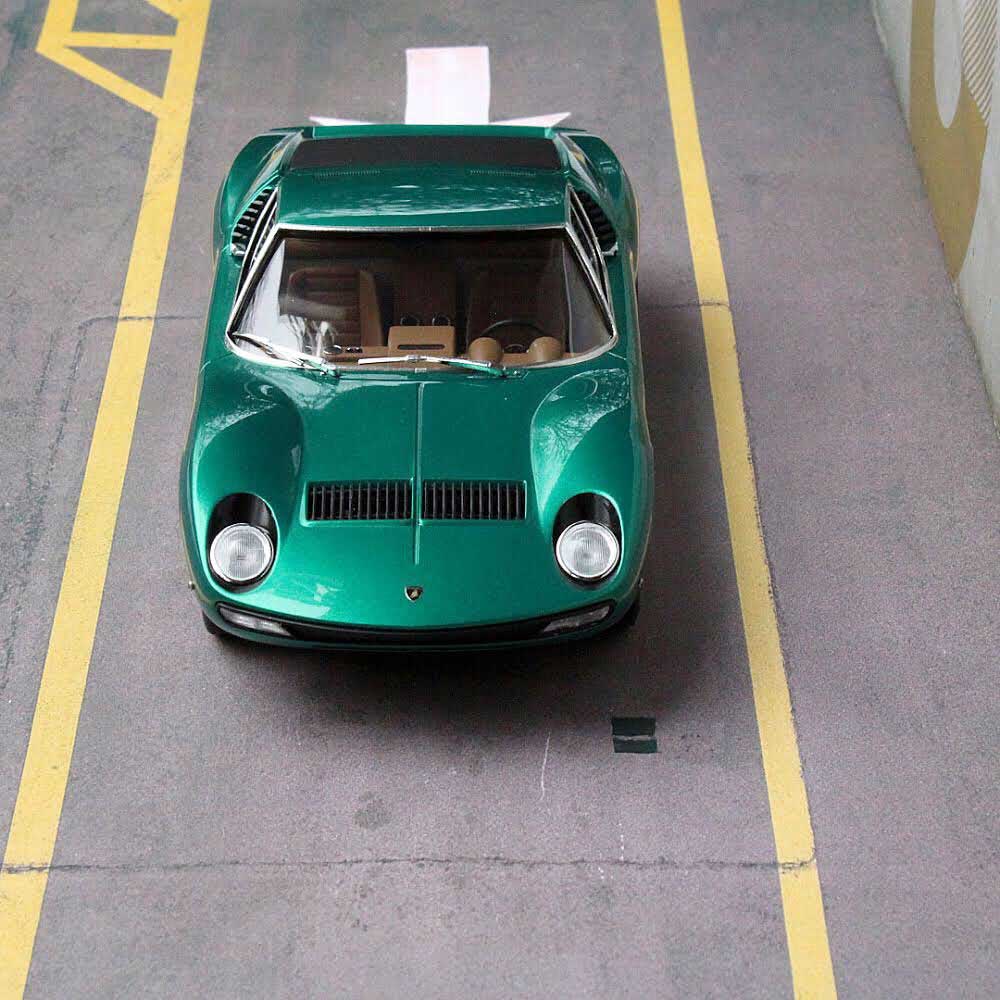
There are models in pieces, half-built cars, studio photographs of finished builds, but what really catches my attention is a photograph of a green Lamborghini Miura that appears.
The build itself is a one-hundred-percent masterpiece.
The model stands in the middle of a street. The yellow center lines run parallel to the car, and the light falls naturally across its beautiful curves as if it were real. It looks like reality, not a model.
After that, the model cars starts to become real.
From 3d to SEma
In October 2020, Martin posted about a new tool in his workshop: an Elegoo Mars resin 3D printer that would completely change the way he built models.
Before that, he had owned a 3D printer that produced parts in plastic filament, but the results were never quite good enough. Resin is smoother, which means the print lines are far less noticeable.
His new Elegoo Mars printer can produce layers just 0.01 millimeters thick—about one-tenth the thickness of a sheet of paper and roughly one-sixth the width of a human hair. It's a level of precision that makes it possible to reproduce incredibly fine details.
“Getting my first 3D resin printer just opened up the possibilities of what I could do in terms of custom wheels, aerodynamic parts, and other details.”
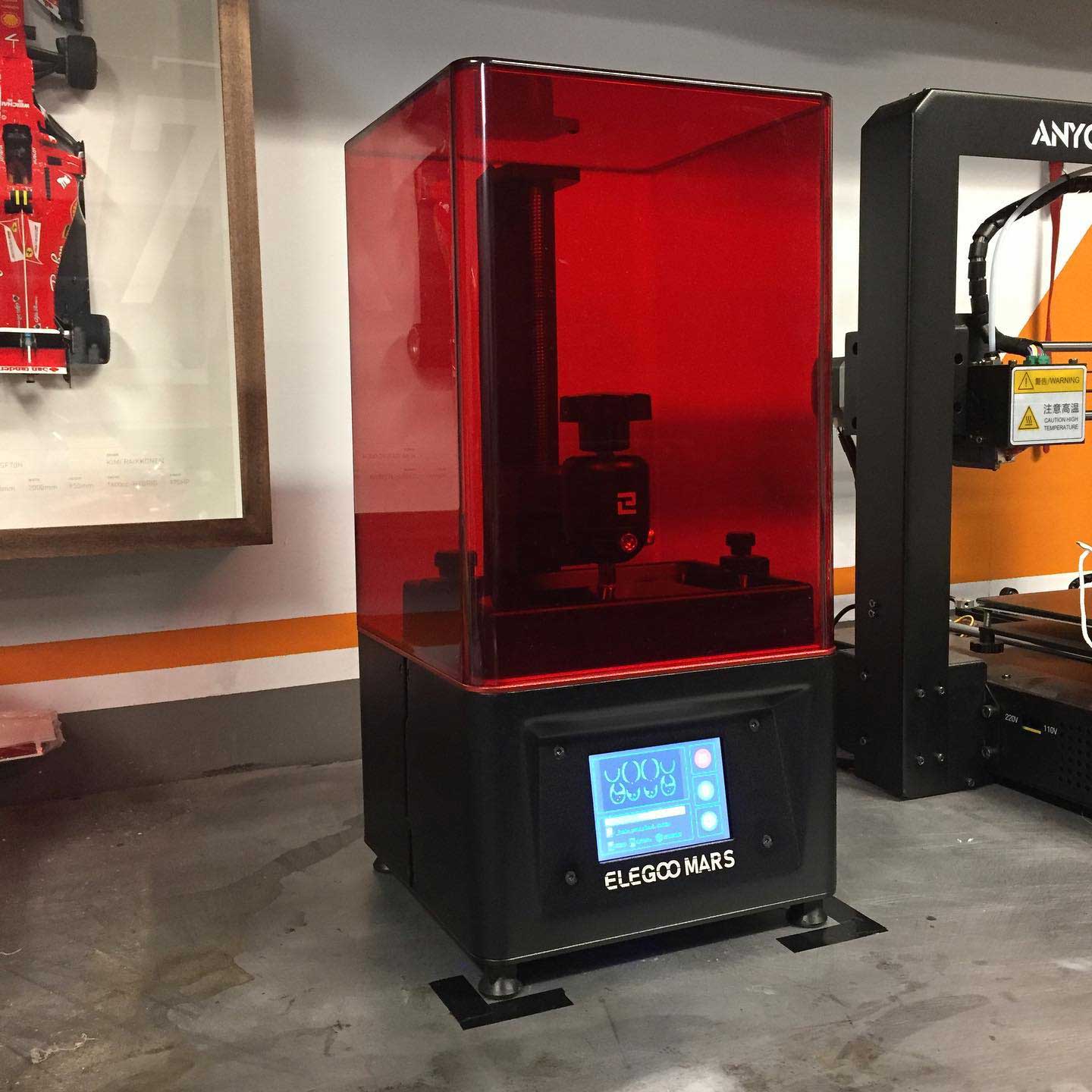
The Elegoo Mars resin 3D printer
From this point onward, new types of images begin appearing in Martin’s feed, and his creativity, combined with his automotive knowledge and decades of graphic design experience, starts flowing freely. The photographs become more engaging and more illusionary, while the cars are built in a way that, first of all, no shaky hand could ever achieve, but also where just the right amount of madness meets reality.
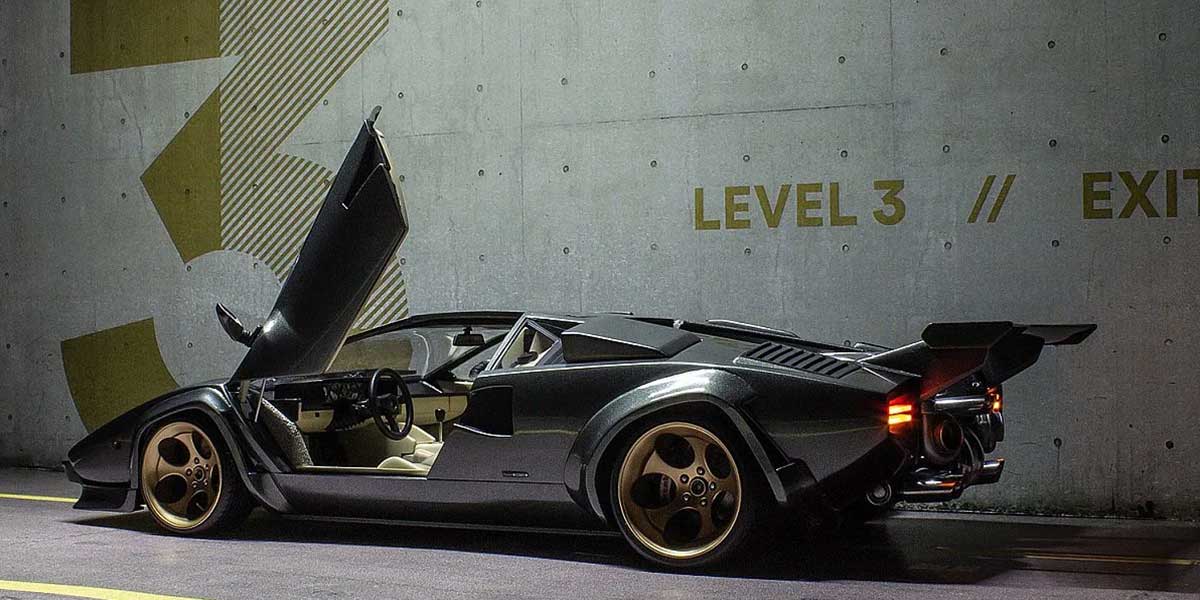
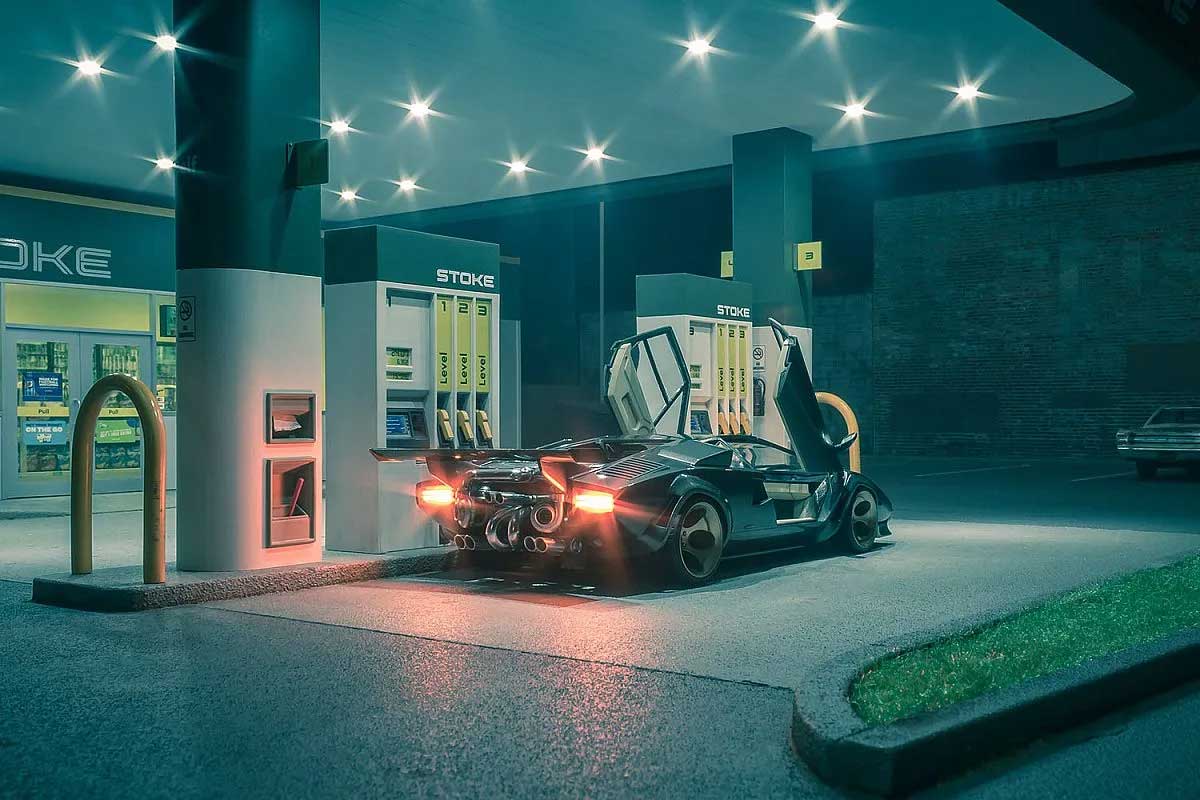
Like the Lamborghini Countach he built for a competition connected to the world-famous SEMA show in Las Vegas.
Here, he doesn’t hold anything back. He cuts away the entire rear section of the car and crams in a twin-turbo setup hanging out behind the enormous V12 engine. The parts are chromed, the turbochargers are exactly the metallic grey color a turbocharger should be, and the gold rims were designed entirely by Martin himself.
“I figure this is the kind of thing you could find at SEMA, so why not build it that way?”
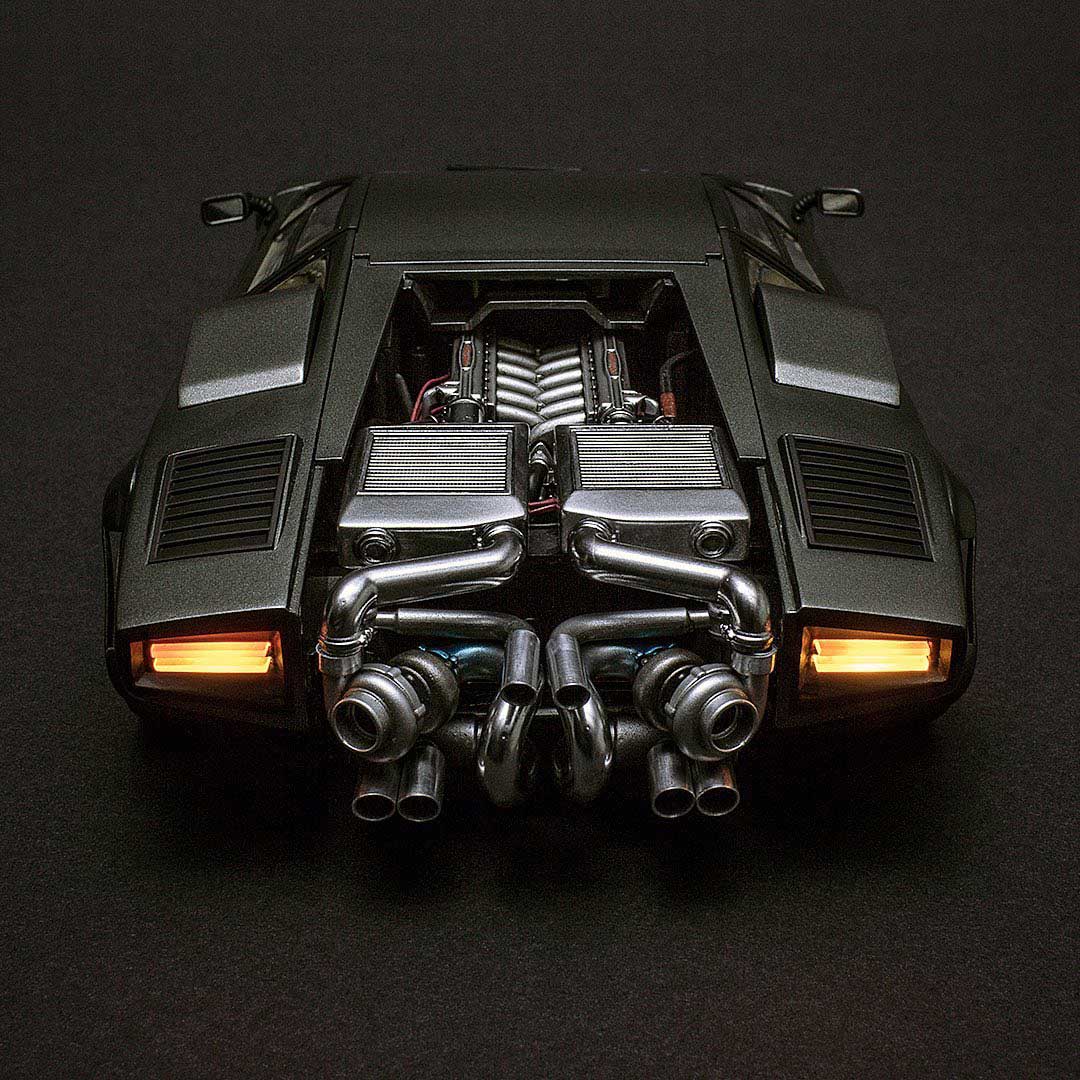
The Lamborghini Countach with a double turbo engine
is everyone happy with Martin’s creations?
Over the years, he has received comments from people pointing out that a pipe couldn’t possibly be routed that way or that an intercooler couldn’t be positioned like that. Martin simply replies:
“You don’t know what’s going on inside there — it’s 100% solid plastic.”
“It’s automotive impressionism — does it look like it can work? Then it works for me,” Martin says with a smile during The Automotive Podcast, making hosts James, Sean, and James burst into laughter.
The Engine of a Jaguar E-Type and the homemade engine rack of the Bajja Buggy
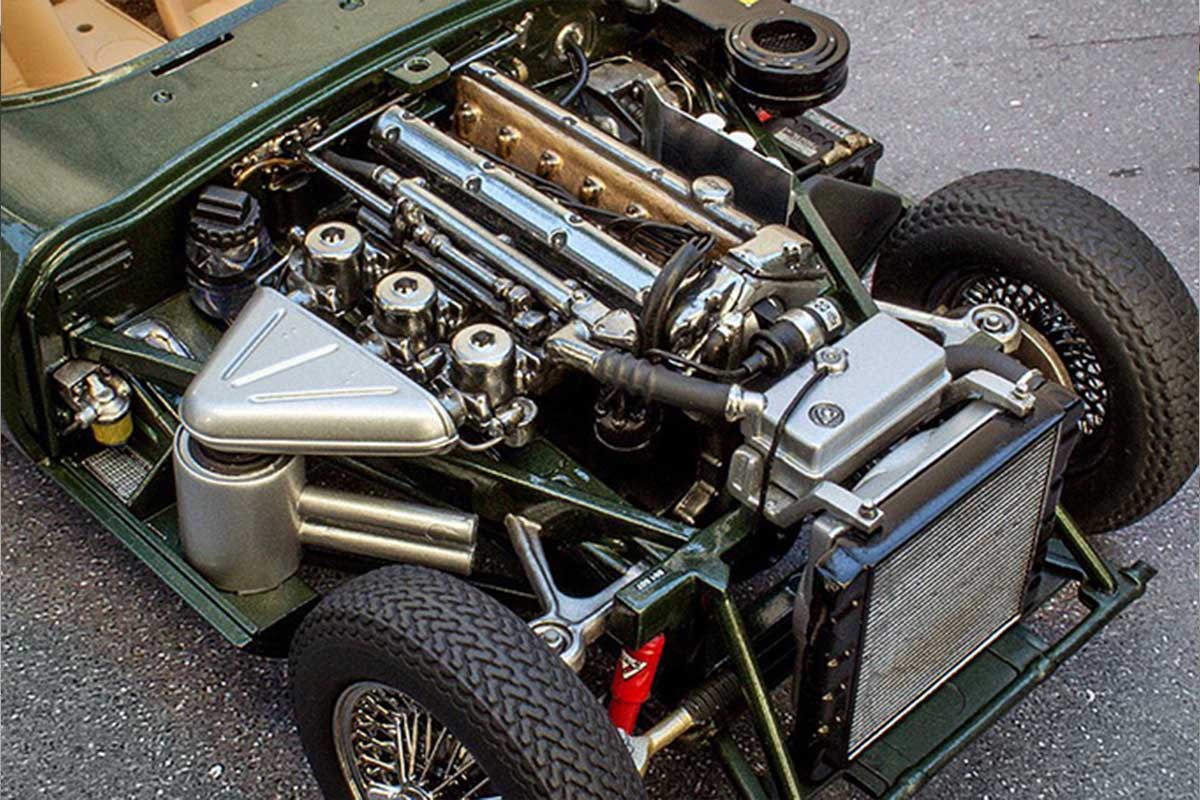
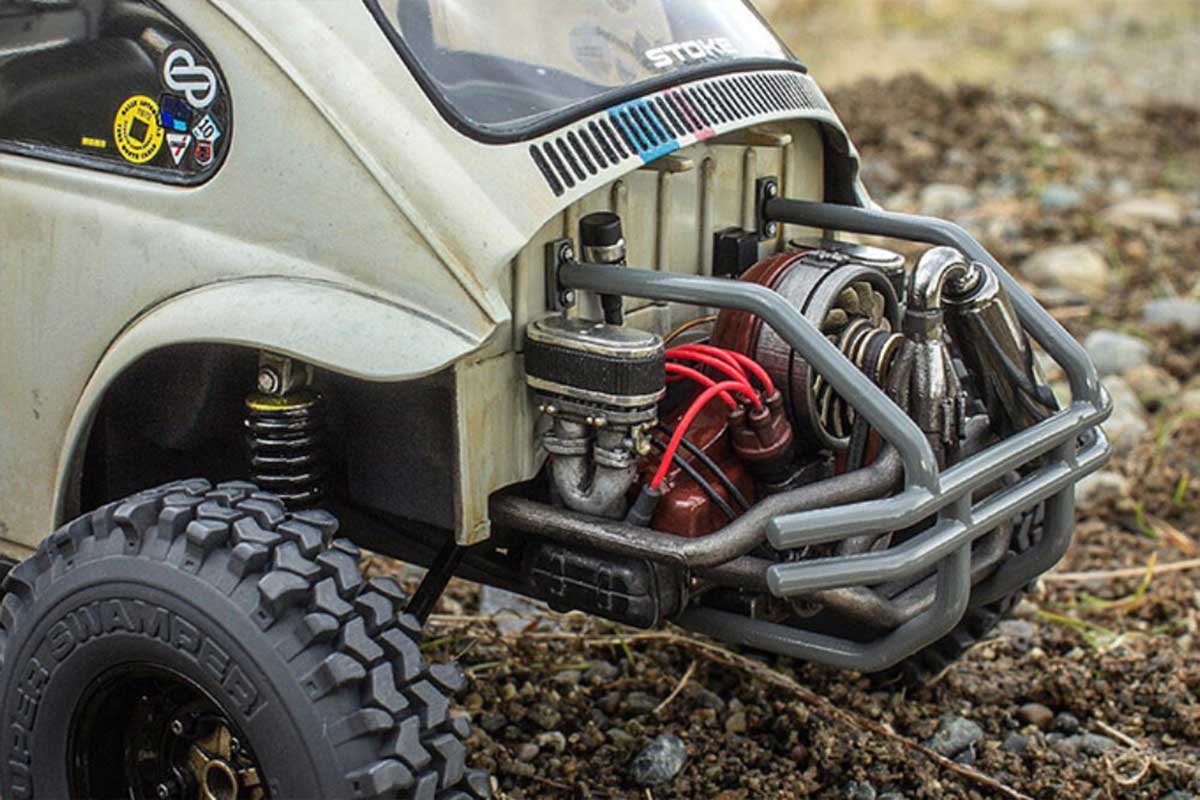
The Engines of a Jaguar E-Type and the homemade engine rack of the Bajja Buggy
"If I can see it, I can make it!”
In interviews, Martin explains that much of his inspiration comes from real-world tuners, and he keeps various folders on social media where he saves photos and videos to inspire future creations.
Bring a Trailer is also a fantastic source of inspiration, where you can find an endless amount of automotive photography. There are countless images of cars that have been fully restored, but also completely custom-built machines.
He says that he can appreciate almost anything. He knows how much time people invest in their cars, whether it’s a stock restoration or a custom build — it doesn’t matter.
All cars appeal to him in one way or another. He tends to focus more on the creativity and personality behind a car, and the story of what has happened to it, rather than whether it was once the dream car hanging on a child’s bedroom wall.
“Looking more to the underdog cars — not the million-dollar cars,” he says with a smile.
“I see it as creative development. What do I like, and what do I want to combine? Sometimes it’s a stock build, a hot rod, or a replica. Beyond that, it’s just an exercise in creativity. What haven’t I seen? What hasn’t been done? Or if I take this and build something on top of it, what could happen then?”
The creativity and brilliance in Martin’s builds make me realize that his imagination operates on a completely different level than the average person’s.
One example takes us to a dark concrete alleyway where a Ferrari F40 has been cut apart, reshaped, and pieced back together to resemble a wild creation straight out of the manga series Akira.
The inspiration came from Los Angeles-based designer Walter Kim, who creates fantastic futuristic car concepts, and Martin was quick to embrace the idea.
“If I can see it, I can make it!” Martin says with a smile to Brad King when they are talking in the YouTube channel Stories N'Steel
The Akira inspired Ferrari F40
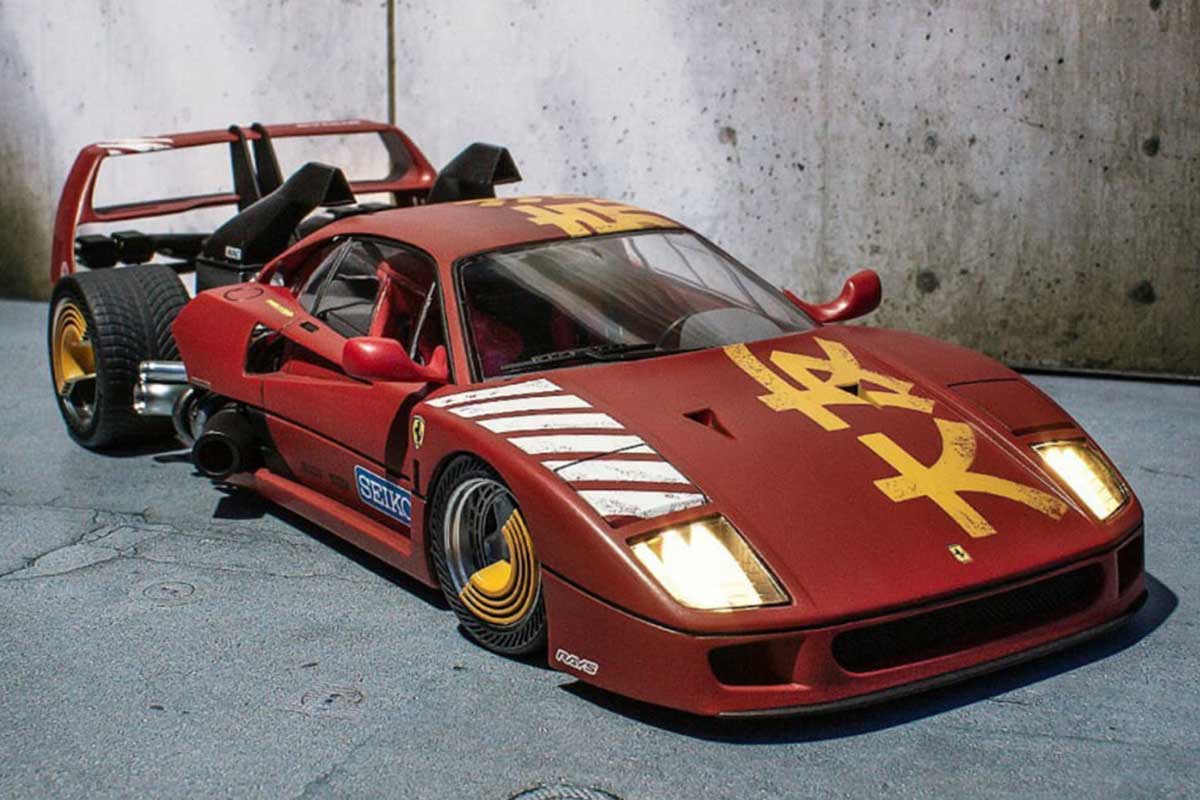
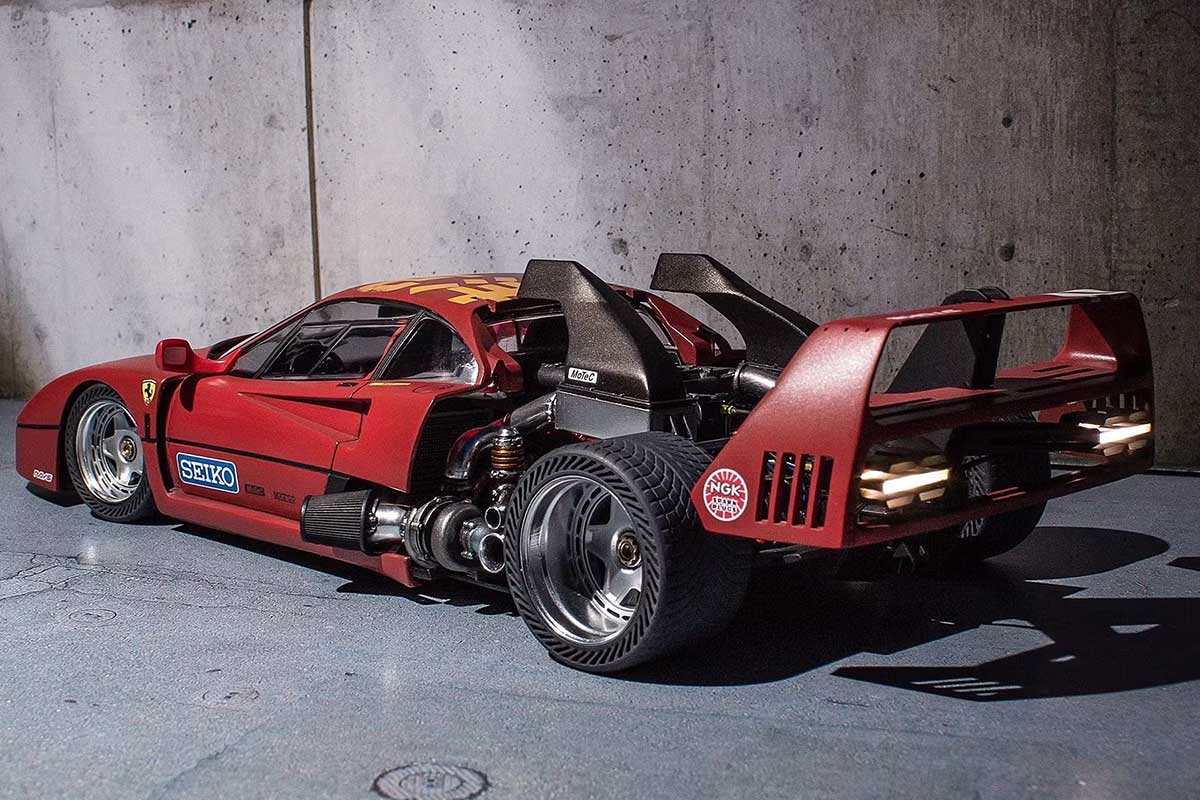
The Akira inspired Ferrari F40
A couple of kits to make one model
There are many model builders sitting on large collections of unfinished model kits, and when Martin says in The Automotive Podcast that he “only” has around 50 boxes of models, the others laugh — especially James Duff, who has at least 50 models sitting just on the bookshelves behind him.
“When I get an idea, I buy what I need and start working from there.”
Martin in The Automotive Podcast and Stories N'Steel YouTube channel
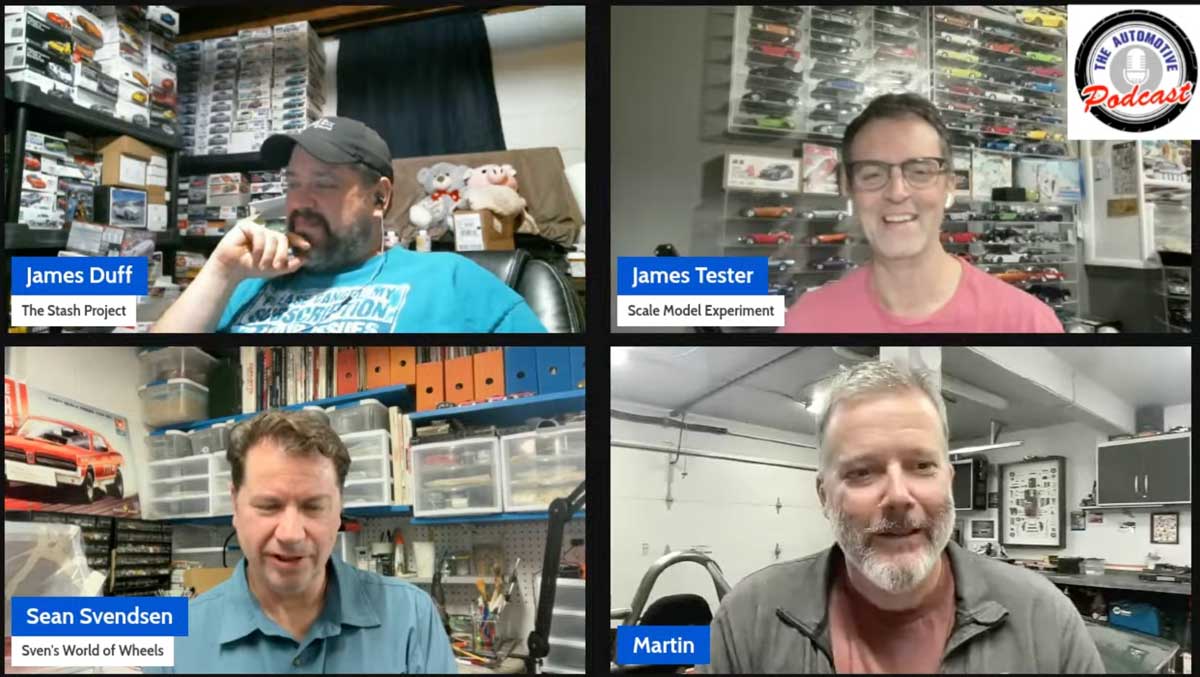
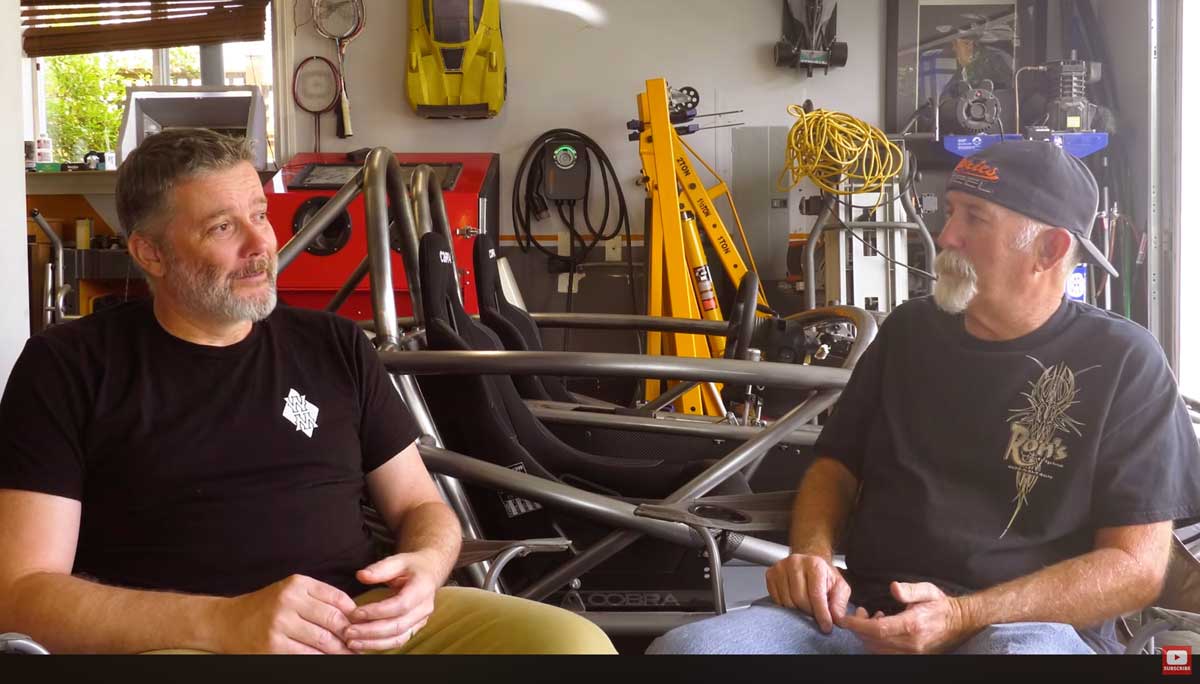
Martin in The Automotive Podcast and Stories N'Steel YouTube channel
A good example is the Nissan 2000 GT-R mentioned earlier.
Martin wanted to do an RB26 swap, meaning he would take Nissan’s legendary 2.6-liter twin-turbo inline-six engine (RB26DETT), originally found in the Nissan Skyline R32 and R33 GT-R, and install it into another car — this time, a Nissan 2000 GT-R.
“To get everything right, I went onto SpeedHunters.com and looked at what a build like that actually looks like, because there was so much inspiration there.” (Unfortunately, SpeedHunters has since shut down.)
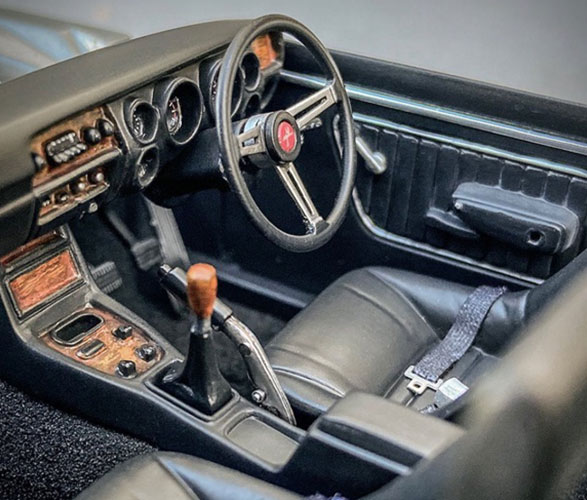
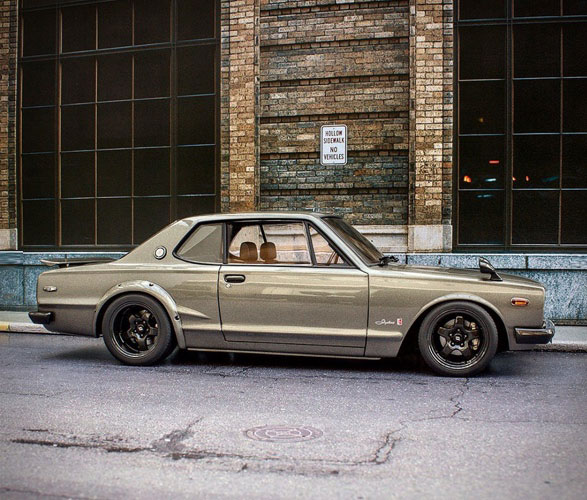
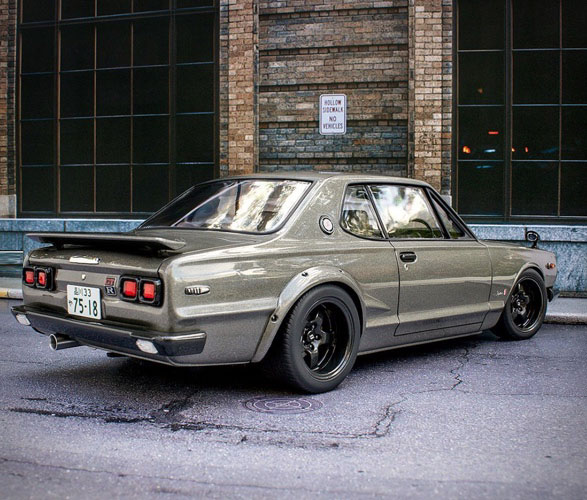
For the project, two different model kits were used: a Tamiya 1:24 scale Nissan Skyline 2000 GT-R and a Tamiya 1:24 scale Nissan Skyline R32 GT-R. On top of that, Martin 3D-printed the parts he felt were missing or wanted to improve.
Or as he explained himself during the final stages of the build in two separate Instagram posts:
“Got all of the engine bits printed and primed for the RB26 swap. Modifications so far: Block is from the Tamiya R32 kit grafted onto the transmission and oil pan from the 2000 GT-R kit. I modelled and 3D printed the ITBs, Header, Camber Plates, Battery, Radiator and Catch Tank. Added some Meng bolts and extended the engine bay to reach the radiator support.”
“Finished the wheels for the Hakosuka. As much as I love how Watanabes look on old Skylines, I wanted something different. I took the centres from the Tamiya R32 kit and 3D printed new barrels. Also finally modelled my own PZeros to print.”
He then brought all the pieces together and created a model car capable of making any automotive enthusiast’s jaw drop.
Putting his layers of skills on top of each other
When Martin started his new hobby, he quickly noticed that the model-building community was incredibly welcoming and that people were more than happy to help whenever needed. He also discovered that almost everything could be found online.
Need a blueprint for a set of beautiful, accurate wheels? There are drawings available online for just a few dollars that you can download, load into a 3D printer, and print yourself.
“3D printing is fantastic! The costs are so small that if a wheel doesn’t turn out exactly the way I want, I can make adjustments and print a new one for maybe a dollar. If there’s one thing that’s important, it’s getting the stance and the wheels right. That requires millimeter precision. Otherwise, the car loses its overall look, and I have to start over from the beginning.”
“Making corrections and building the part in the software can take one or two hours, and then I let the printer do its job for a few more hours. After that, the parts are done.”
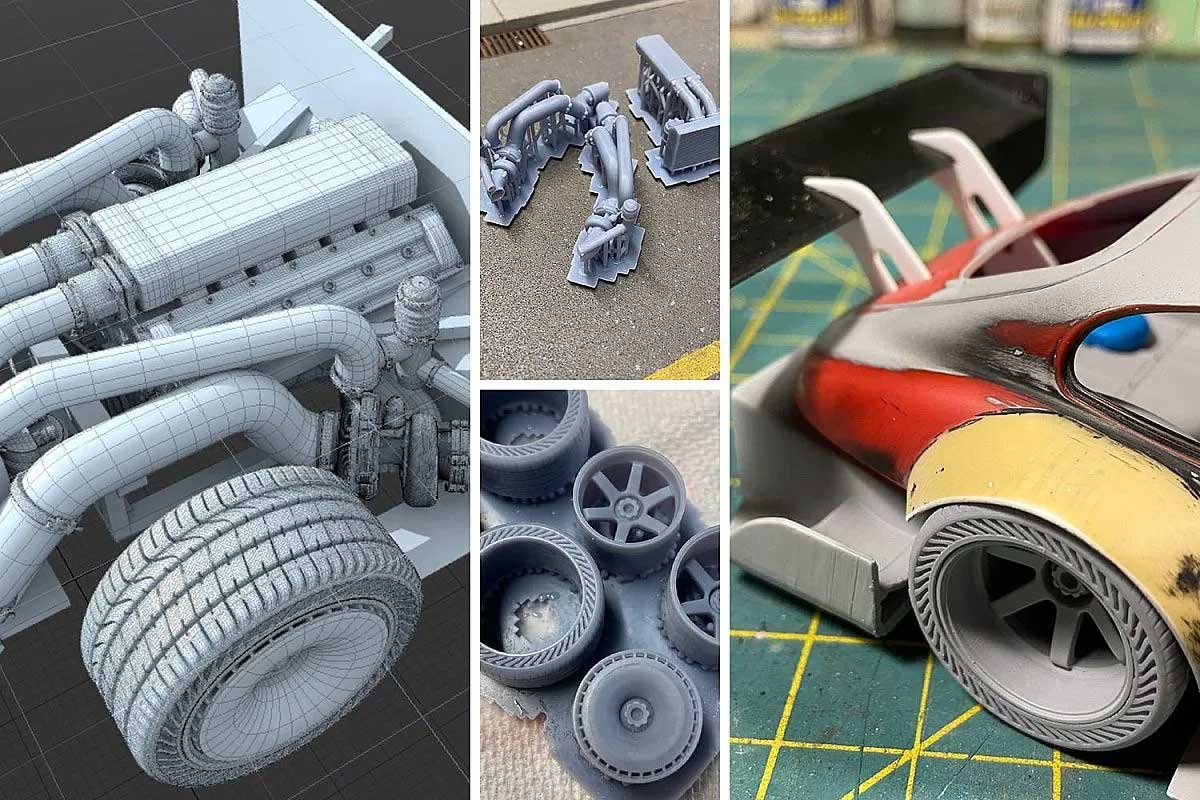
The build process of Martins Porsche RUF Model
Martin says that nine out of ten designs work and come out exactly as intended, and that maximizing the capabilities of a 3D printer is an ongoing process that never really ends.
One example was when he felt that the wheels on an E-Type model simply weren’t accurate enough and that he wanted a set of proper original wire wheels.
So he visited a friend who was restoring an E-Type, measured the entire wheel down to the millimeter, and then recreated it for printing.
“Every spoke was hanging in mid-air while the printer was working, but eventually all the spokes connected to the hub, and the final result turned out exactly as I had imagined.”
“I have to keep experimenting all the time to see what I’m capable of doing and, from there, figure out what the next step can be.”
Martin continues the conversation by explaining that skills build upon skills. The more you learn, the better you become, and the more efficiently you can tackle new challenges and solve new problems.
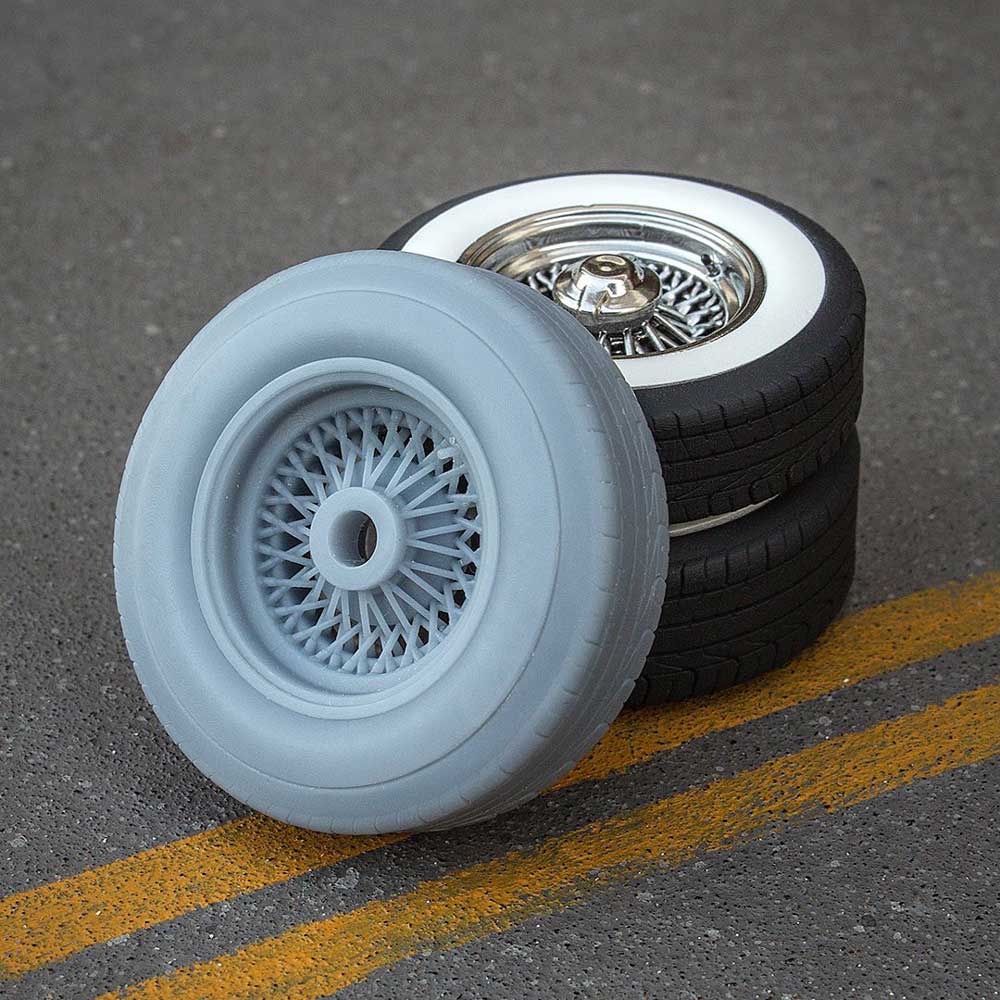
The 3-d printed wire wheels for a Jaguar E-Type
the gasstation is from martins own head
To get the dimensions as accurate as possible, Martin photographs the model-kits from multiple angles and/or uses drawings of the subjects he plans to build. He then imports them into his free CAD software for 3D printing, allowing him to determine the size of the parts that will later be manufactured and fitted to the model.
For now, he still has to start with an “original” body shell from manufacturers such as Tamiya, Aoshima, Hasegawa, and Revell when working on his projects. From there, he builds upon his ideas by creating wild engine swaps, unique wheels, or highly accurate components that make the overall model truly magnificent.
In the near future, Martin hopes to be able to print his own bodies and chassis to work from. The biggest challenge, however, is the windows. According to him, they never quite come out right when produced on a 3D printer.
But! - One project Martin has created without using any existing body shell is his gas station diorama, which was built entirely from his own imagination. Everything you see on the forecourt and around it has been 3D-printed and finished by Martin to make it look as realistic as possible. The LED lights in the canopy create the impression of a real gas station late in the evening.
“Everything is built on a cart that I roll outside my garage whenever I want to photograph my models.”
Every photograph he takes is intended to create a certain mood. It’s not that he deliberately creates a story around the image, but as a viewer, you should be able to form a picture in your mind of who might drive that particular car or who might have built it.
Not For Sale!
Martin does not sell any of his models, and he is absolutely firm about that.
“I don’t want to confuse a hobby with a business. The moment you do that, expectations and demands start creeping in regarding what you create — and that’s not how I want it.”
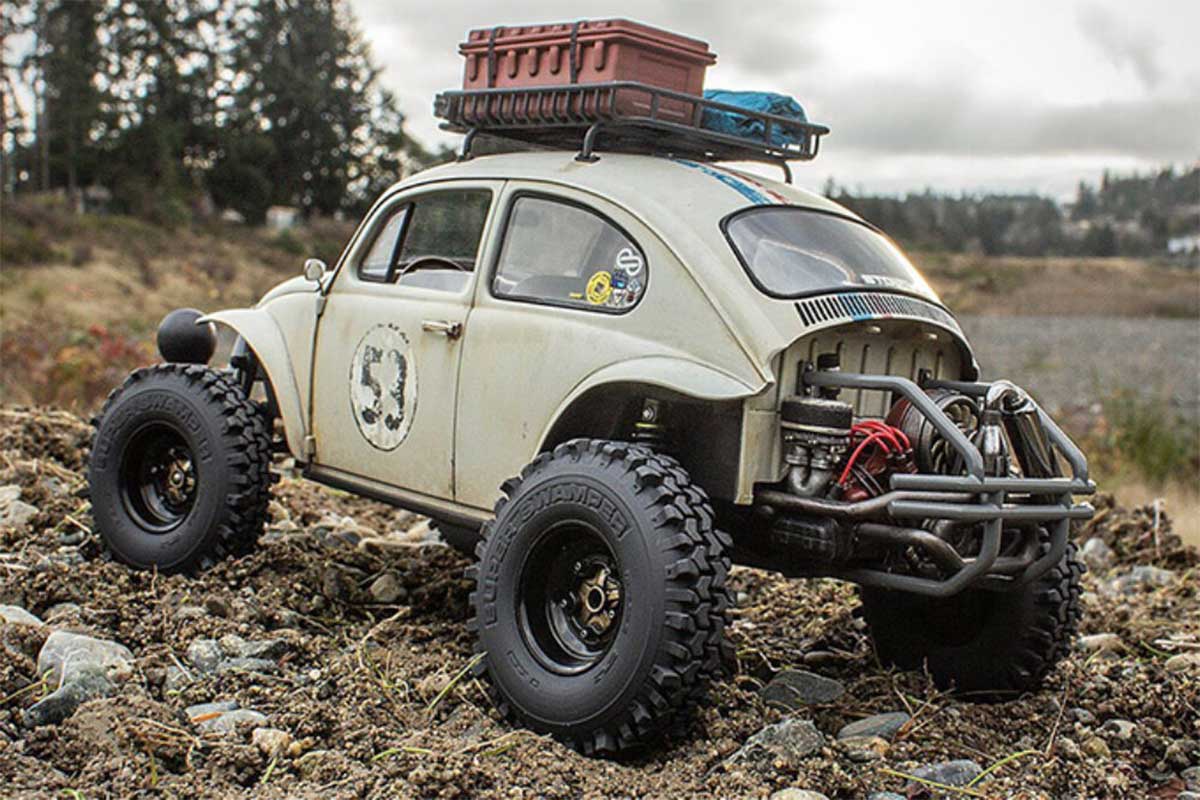
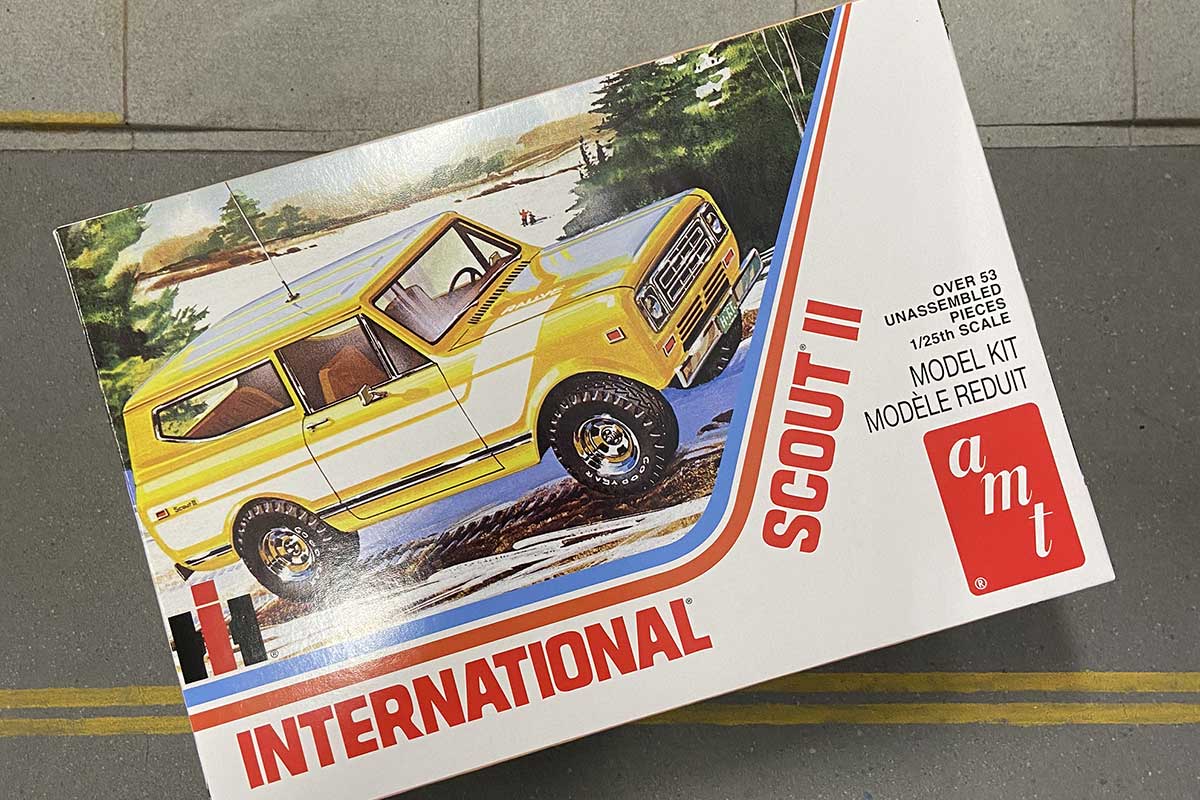
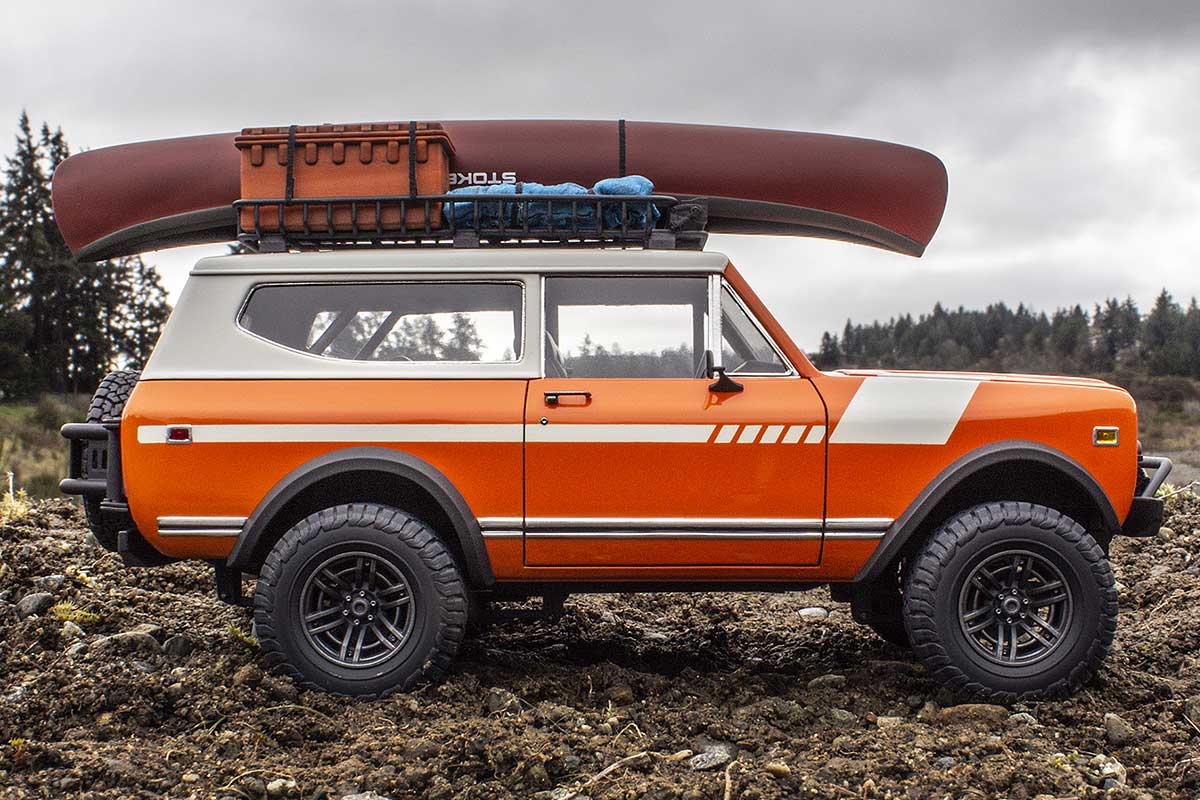
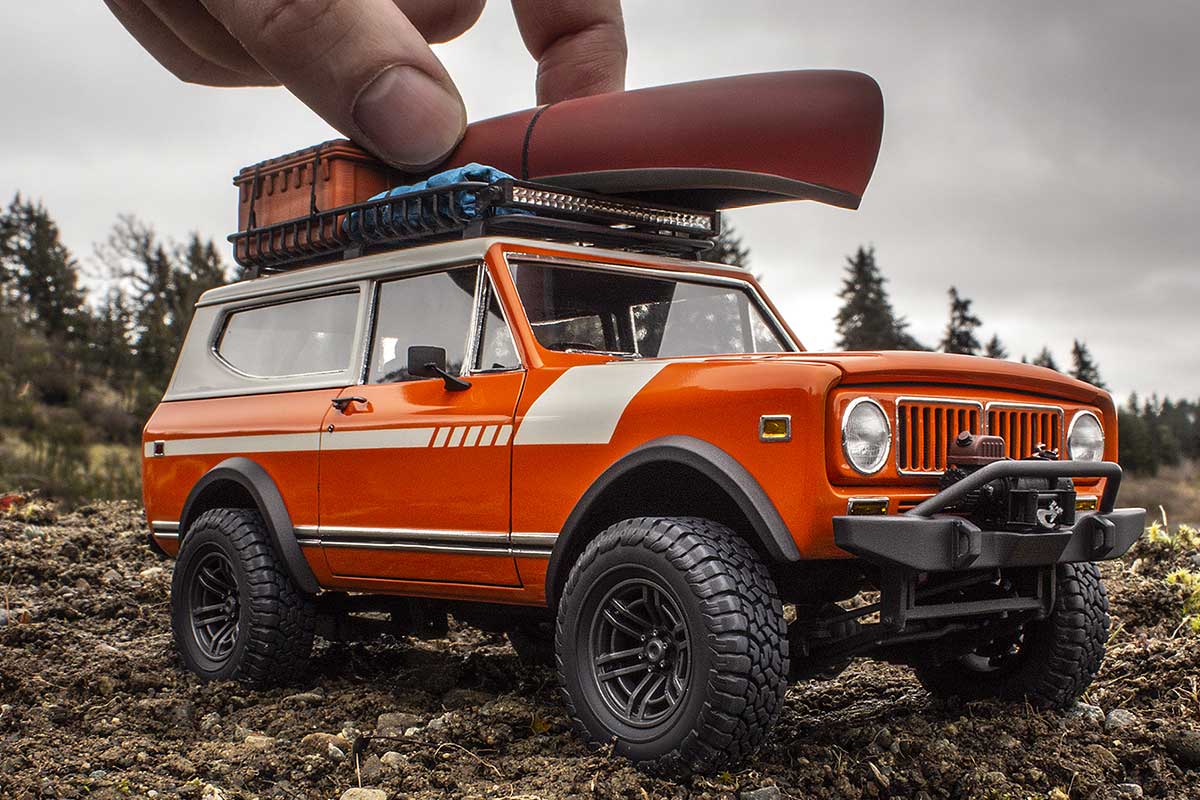
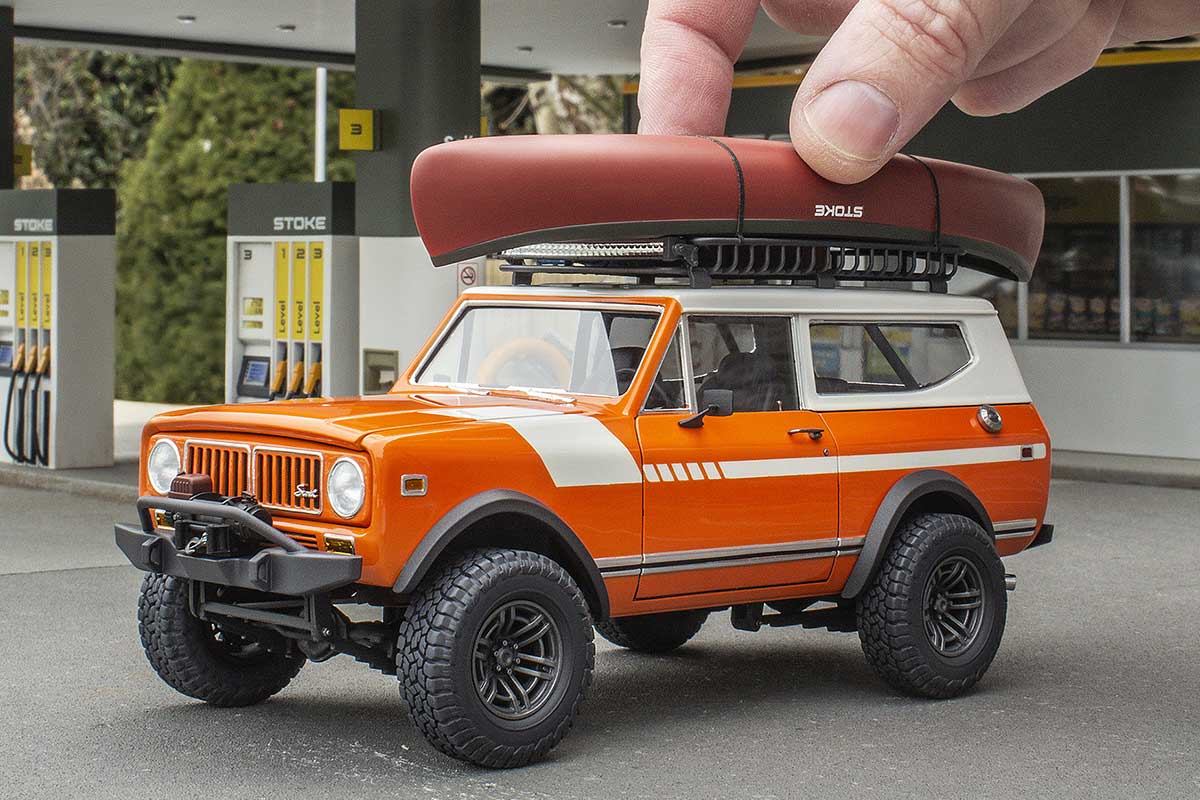
He did, however, bend the rules slightly when a local company that modifies Scout Jeeps got in touch and told him he could do whatever he wanted — as long as he built something.
He accepted the challenge, and within three months, a custom Scout complete with a Stoke canoe on the roof was created purely for promotional purposes.
Martin Never fails to make me smile and get me stoked
Over the past few years, the Stoke Models account has been filled not only with creative images and innovative model-building solutions, but has also grown to approximately 175,000 followers. Respect!
Martin tells Brad King that he loves specialty vehicles — the kind you find at airports that have one very specific job to do — and that this might be the direction he ends up diving deeper into. At the same time, he mentions in The Automotive Podcast that a McLaren F1 GT, the road-legal version, is something he would love to sink his teeth into. In what form, however, he doesn’t know yet...
Martin, whom I would describe as an elite-athlete-level design perfectionist with a Hollywood-sized imagination, layers all of his knowledge and creativity on top of one another and constantly seems driven to develop further and learn the next step.
His creations and the way he presents them never fail to make me smile and get totally Stoked.
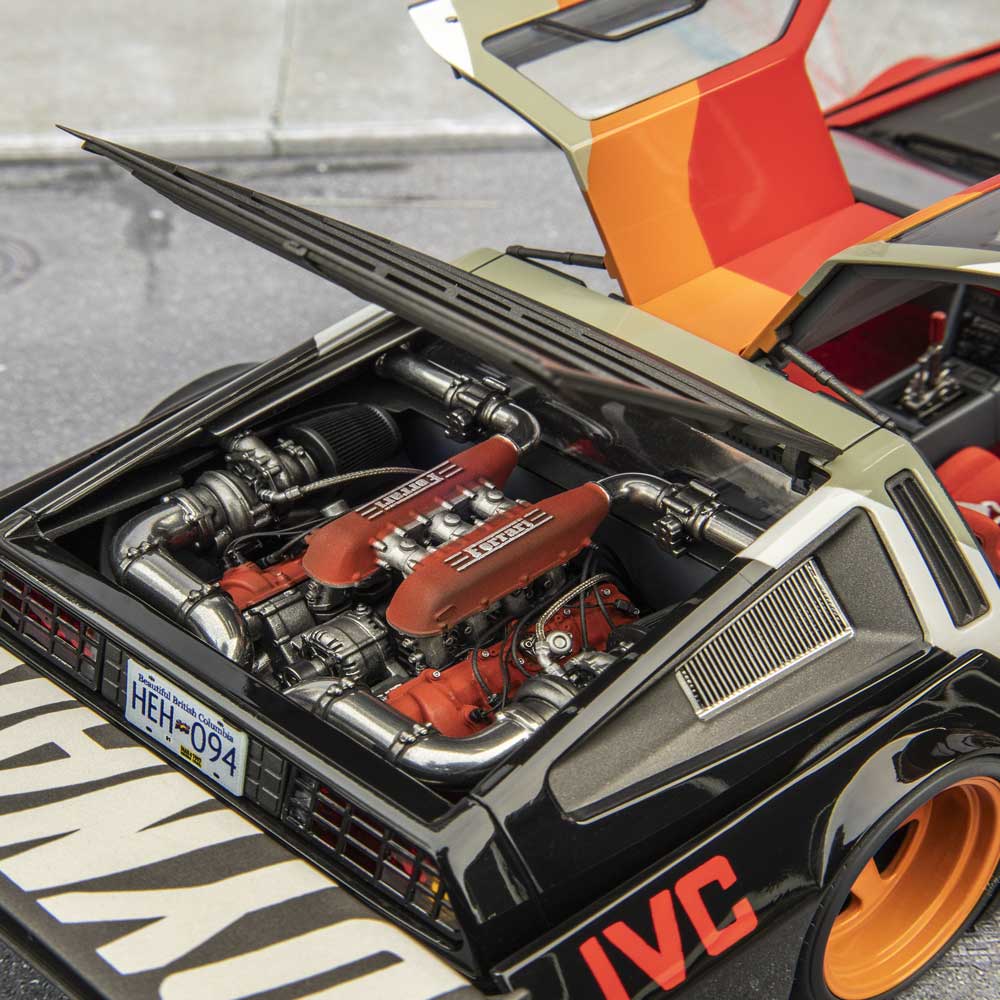
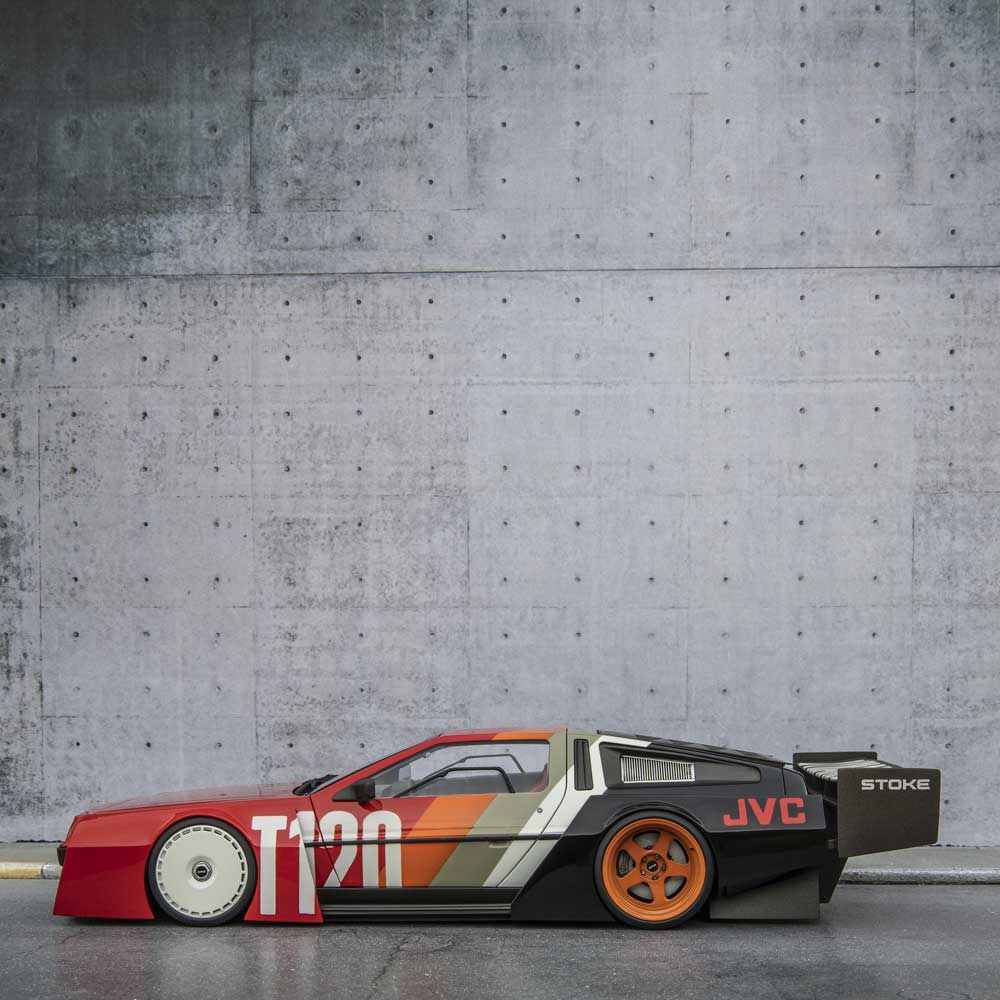
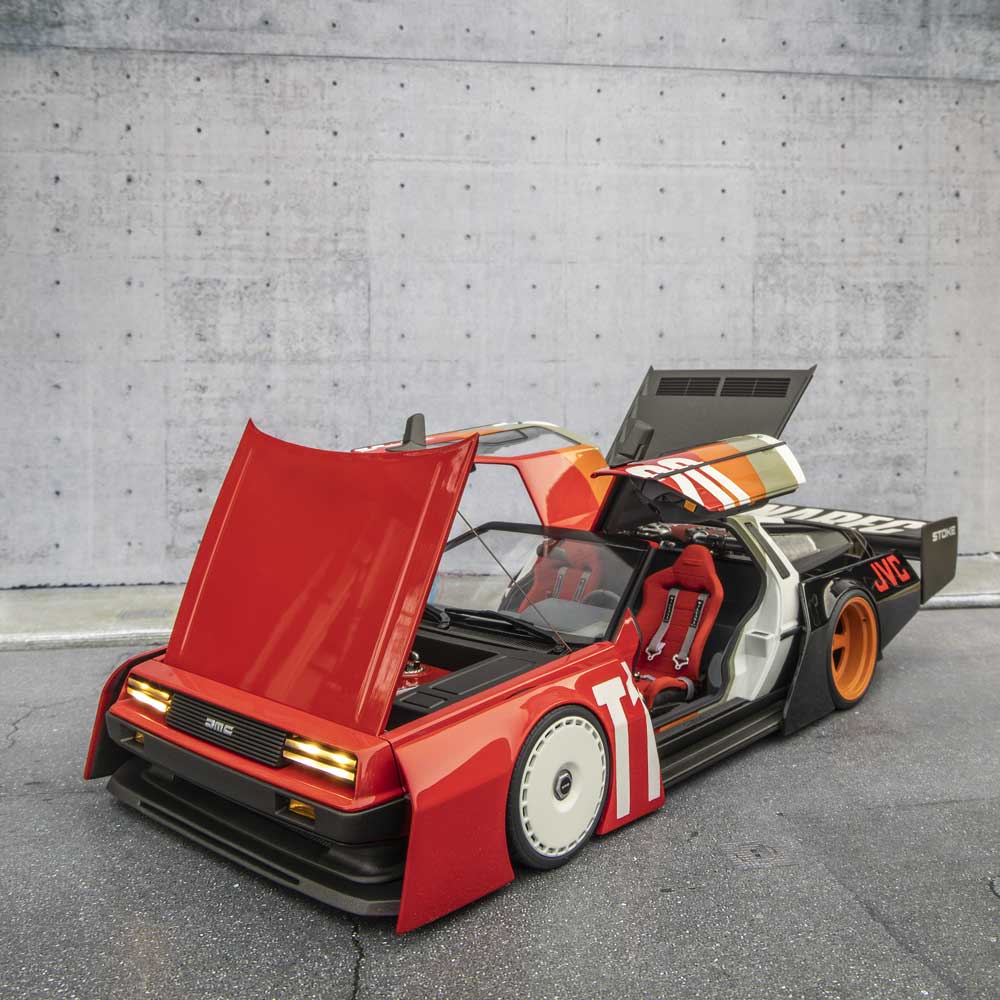
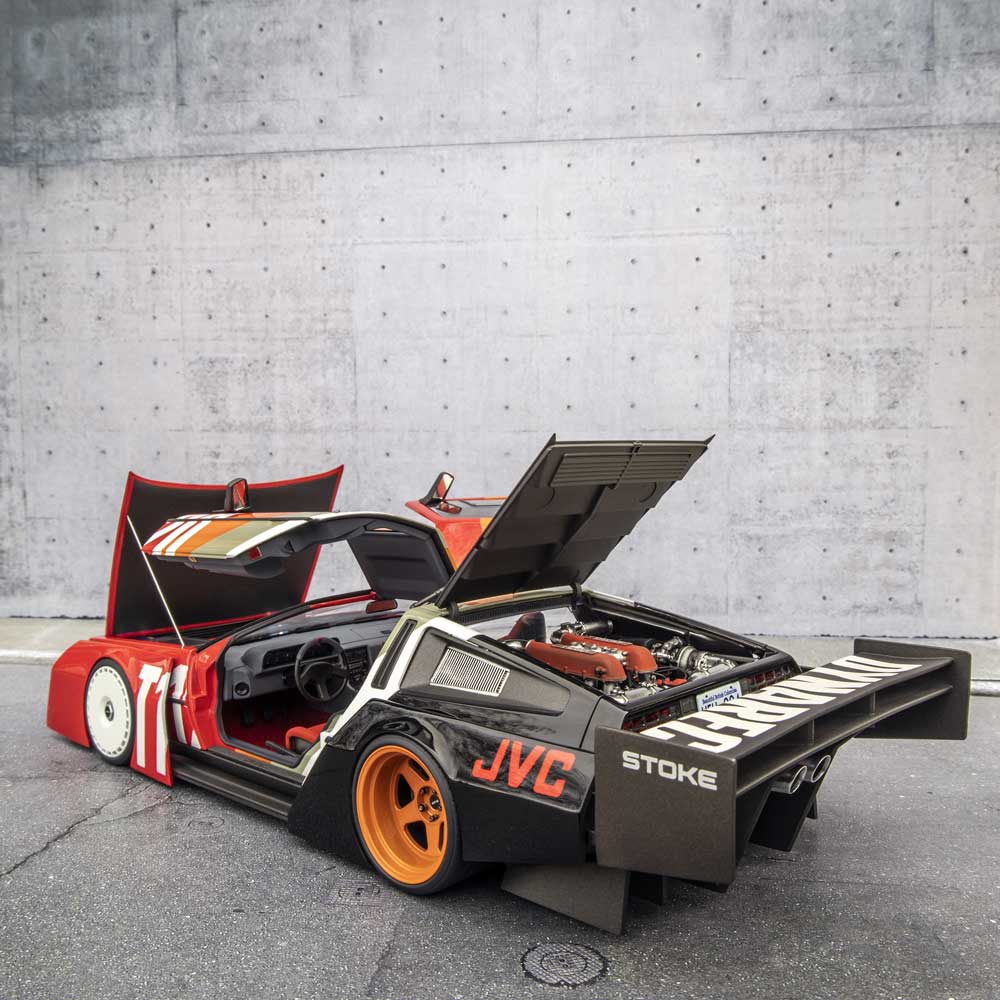
Martin AveYard SEMA winning DELOrean 2026

Related Articles



Related Articles



All rights reserved.
Fascinating Cars is a trademark of:
Edenberg Design AB
(559212-2617)
Näckrosvägen 19
Solna
Sweden
All content, images, and materials on this site are protected by copyright law.
© 2026 Fascinating Cars.

Travel with Fascinating Cars - get you inbox candy.


GET AROUND ON FASCINATING CARS:
ARTICLES
SHOP
ABOUT
CONTACT
All rights reserved.
Fascinating Cars is a trademark of:
Edenberg Design AB (559212 2617)
Näckrosvägen 19
Solna
Sweden
All content, images, and materials on this site are protected by copyright law.
© 2026 Fascinating Cars.