
Isuzu Piazza -
Handled by tomas
“This is nerdiness on a detail level!” - Tomas
- written by Peter Edenberg 2026-06-04
- photos by Peter Edenberg & Kaizen Project
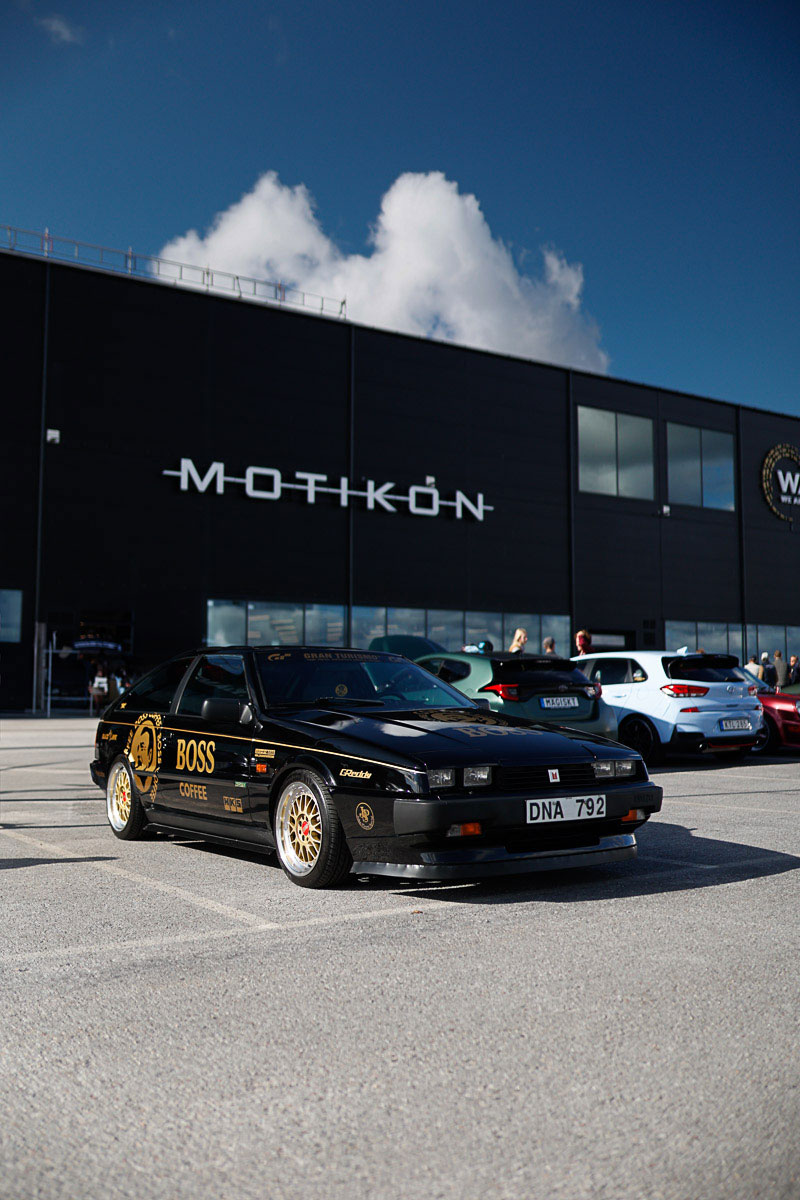
The large parking lot outside Motikom in Uppsala is swarming with all kinds of cars from around the world. There are Porsches, Lamborghinis, and Ferraris lined up in rows, and one Aventador after another is either rolling into or out of the area.
Hordes of supercar-hunting mobile phone photographers run as fast as they can whenever a V12 or V10 rumbles between the buildings, while the classic cars don’t get nearly as much attention.
I stroll around, enjoying the smell of gasoline, and find a few cars that really stand out and are incredibly beautiful to look at — a black Alfa Romeo RZ and a Vulcano Orange McLaren MP4. They stand nose to nose, completely different in execution, and their designs couldn’t be more different from one another.
My thoughts drift away, thinking about how different these cars’ design languages are and the completely different purposes they had when they were built. Right in the middle of these thoughts, everything is interrupted as I suddenly find myself face to face with a Japanese rarity.
I immediately crouch down in front of it.
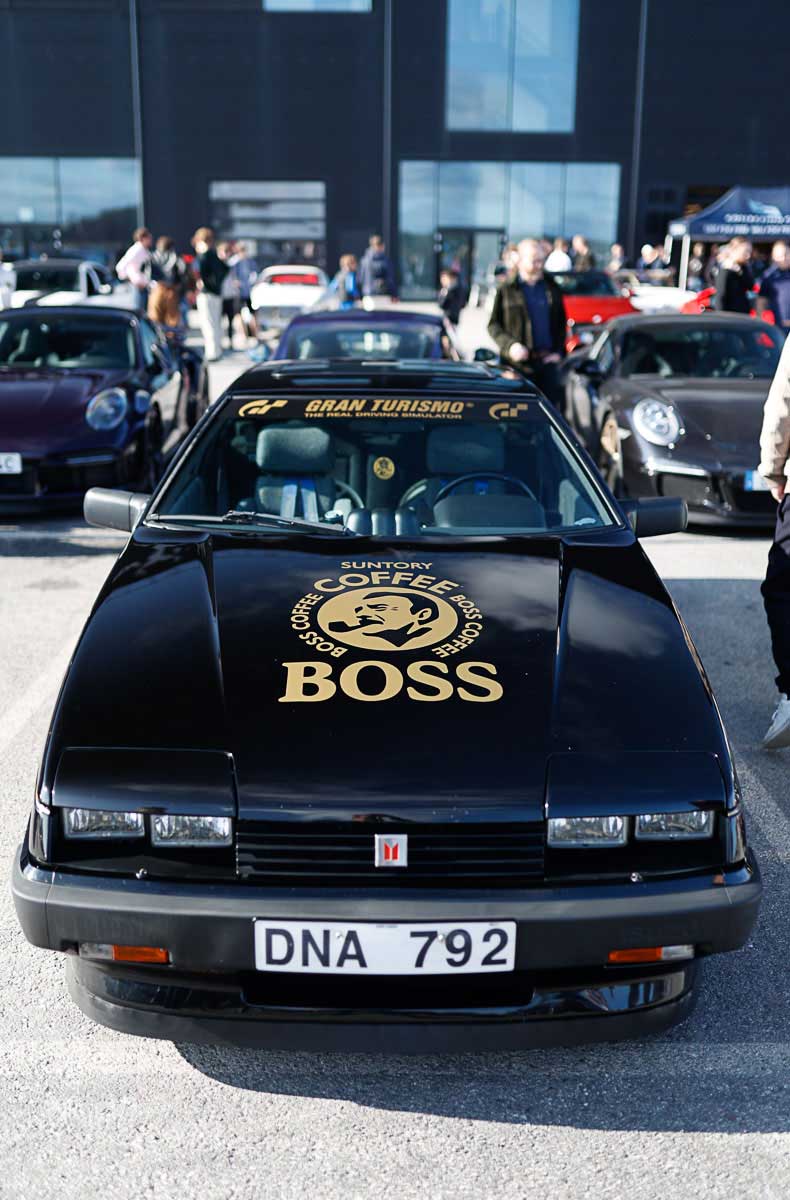
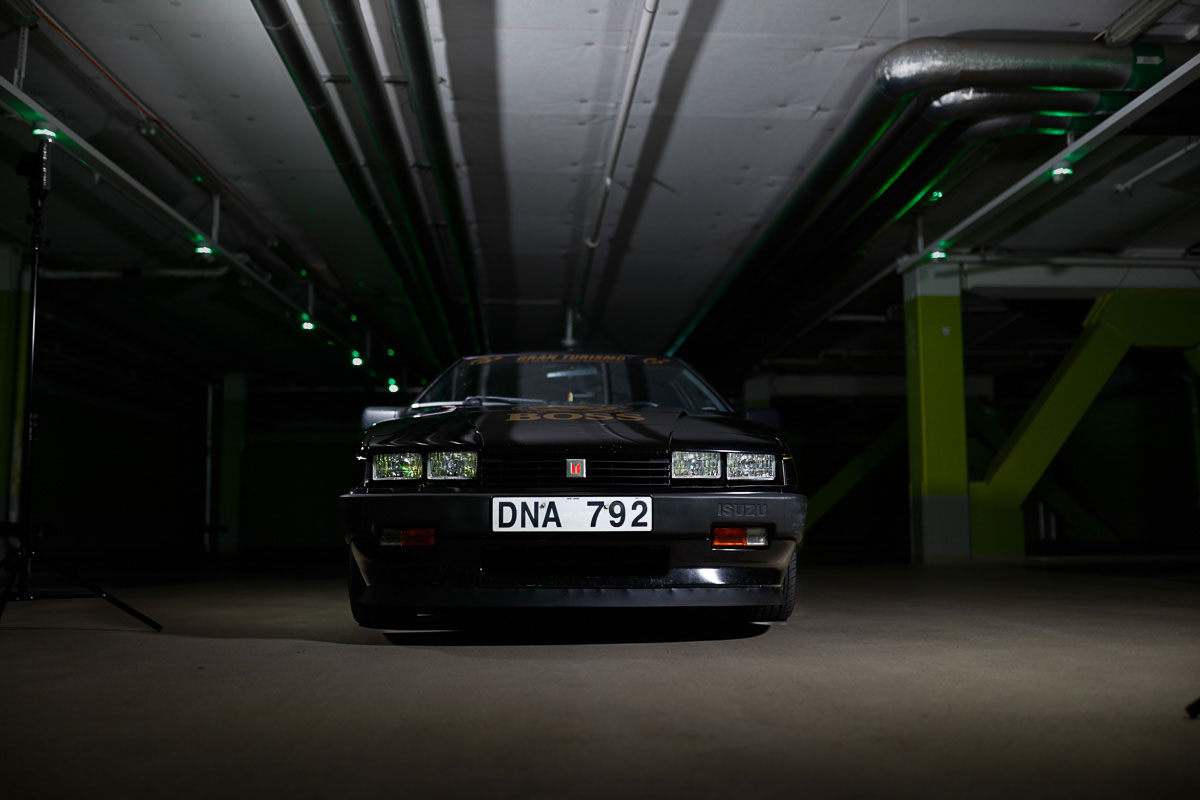
Its four eyes sit slightly hidden beneath the hood, and it looks like a character from the movie Cars staring back skeptically with the question, “What are you looking at?”
The front lip of the car sits just 10 centimeters from the ground and becomes very noticeable while I’m sitting there on my knees.
It had been a long time since I last saw one of these cars.
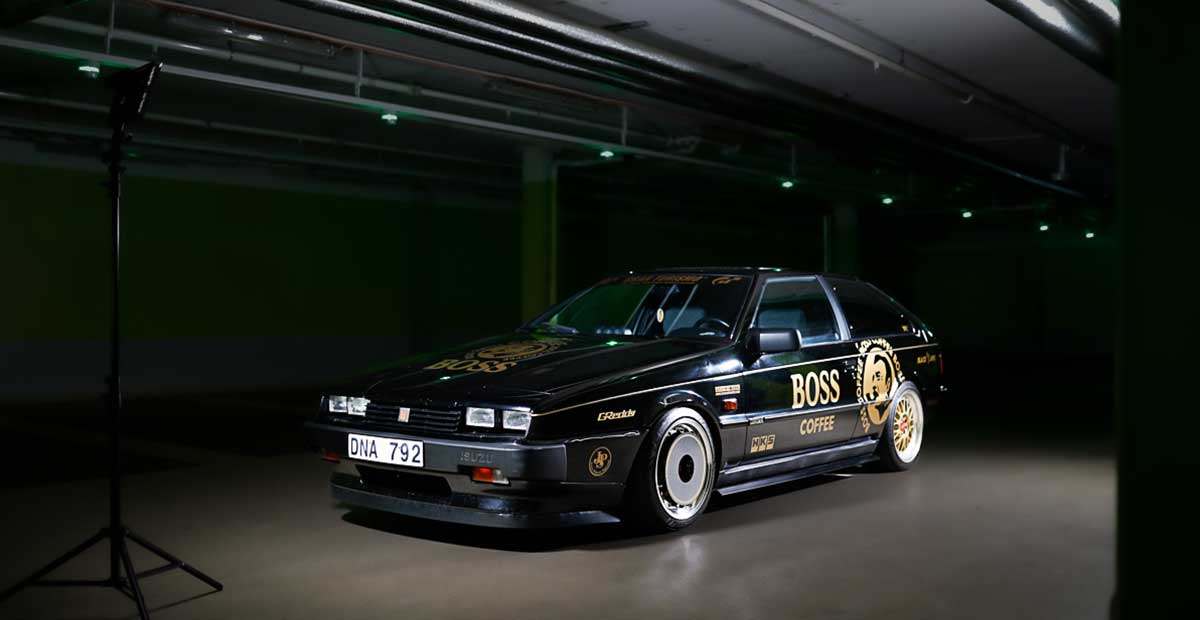
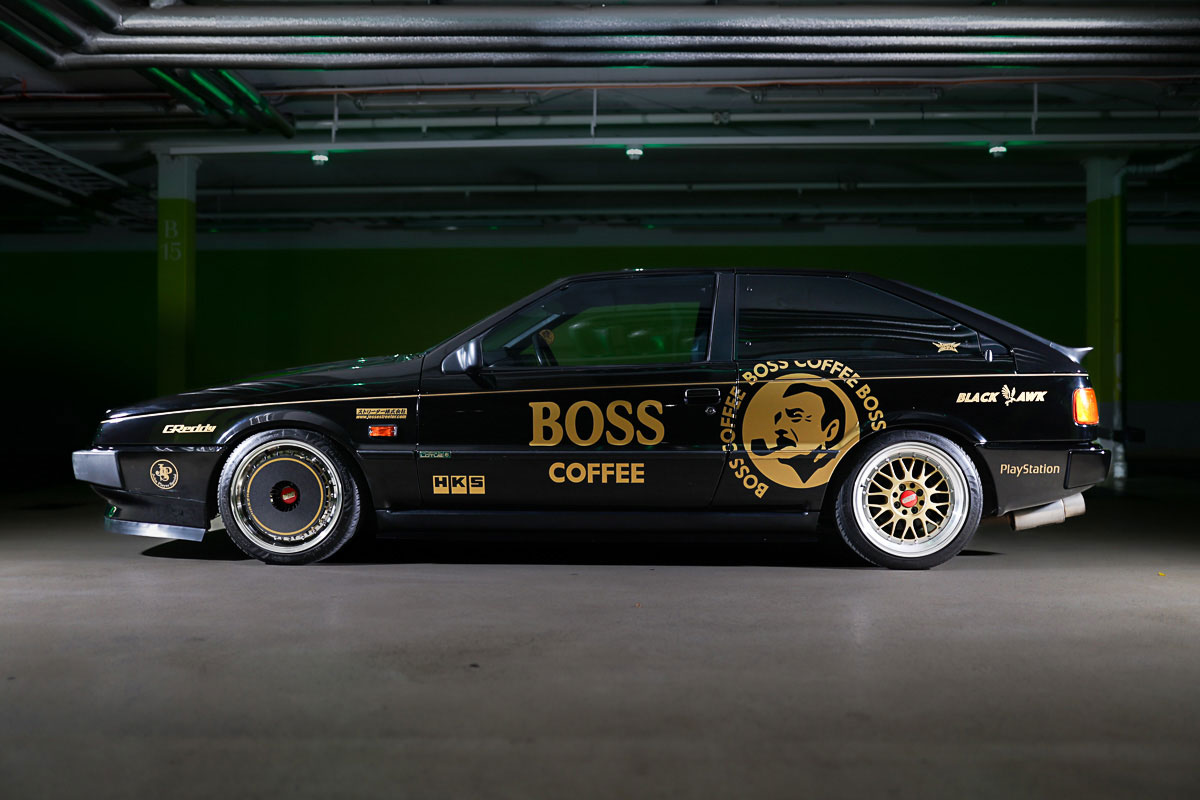
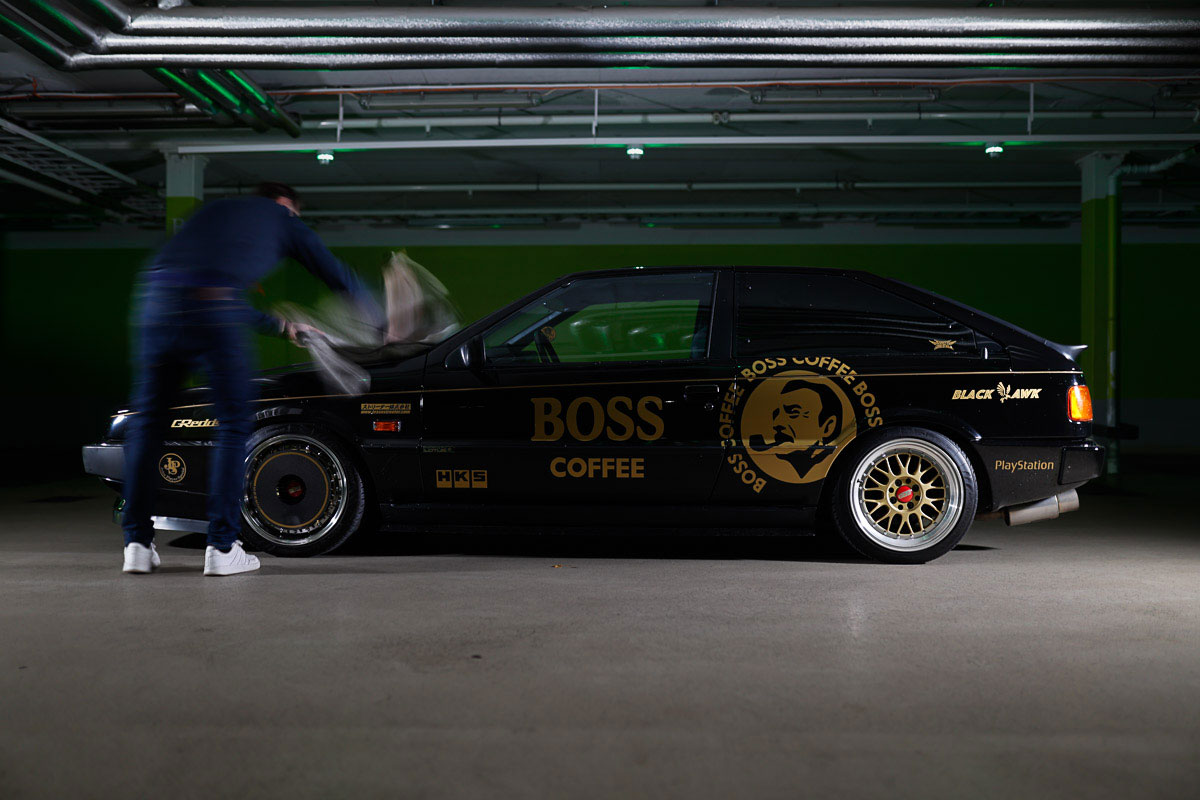
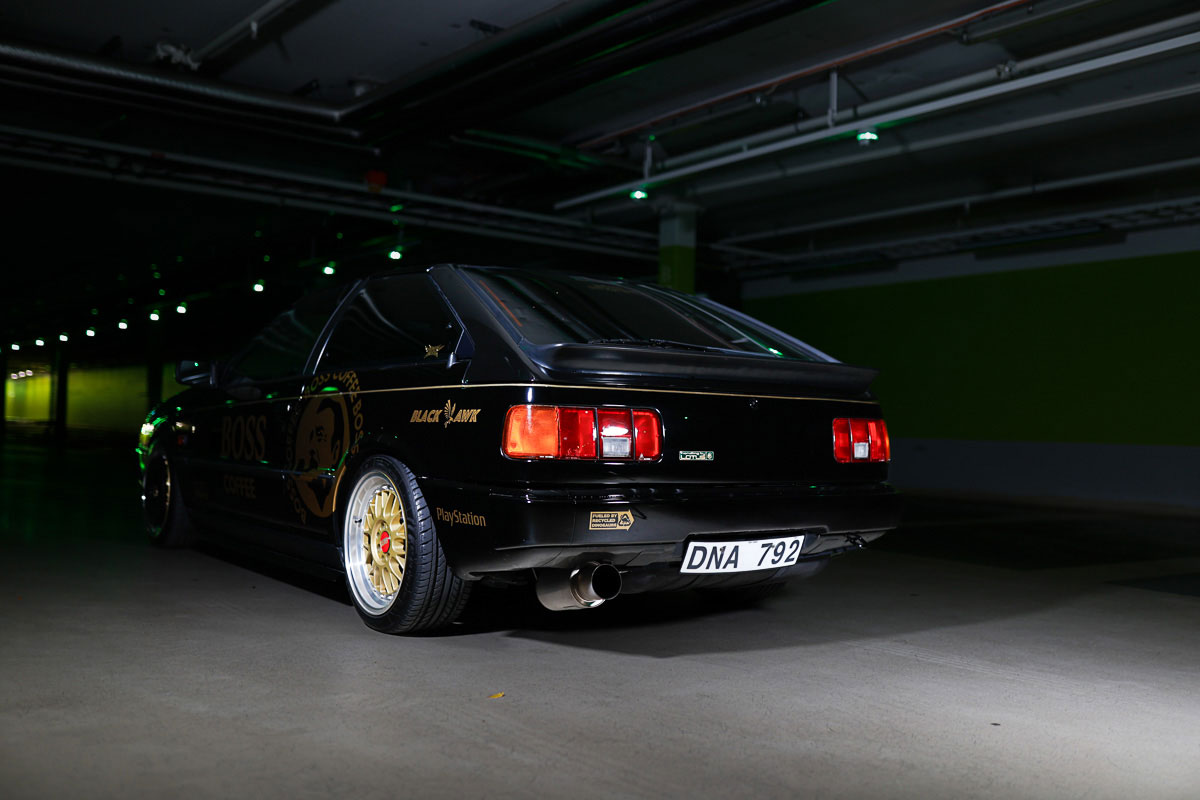
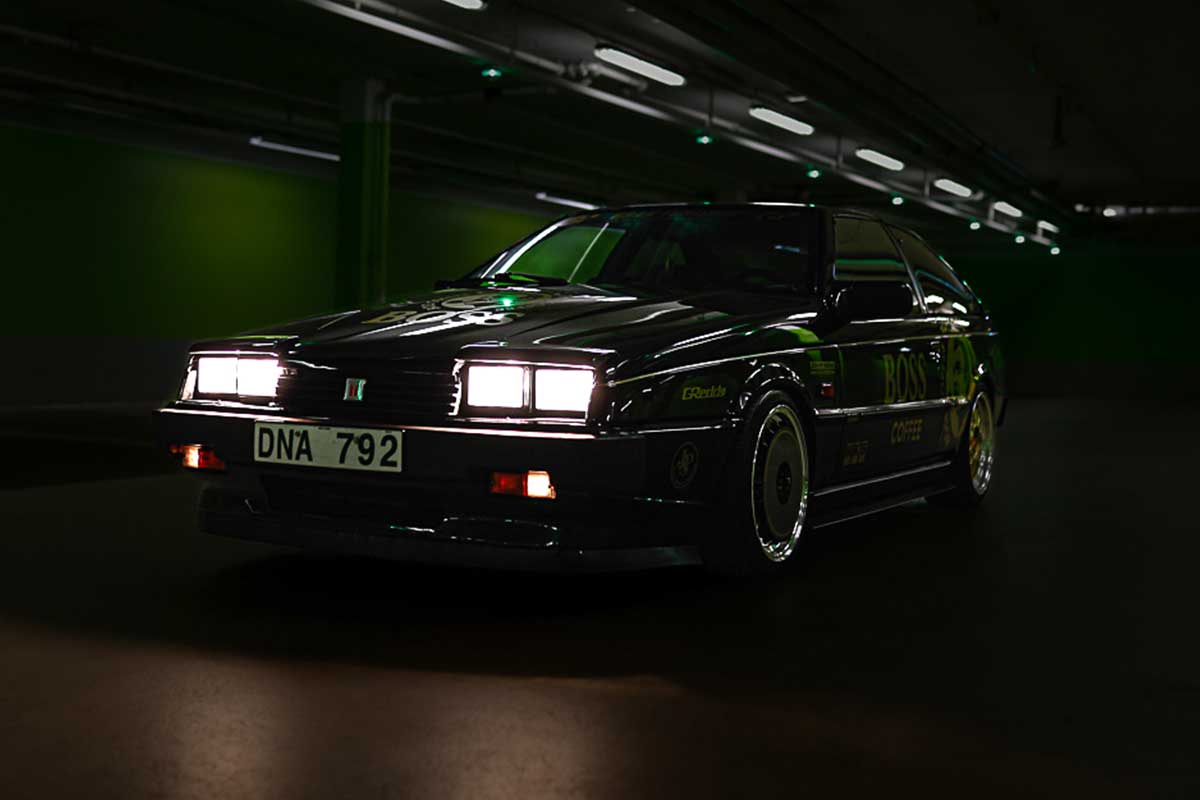
The golden livery cutting through the lines of the car fits perfectly with the black paint.
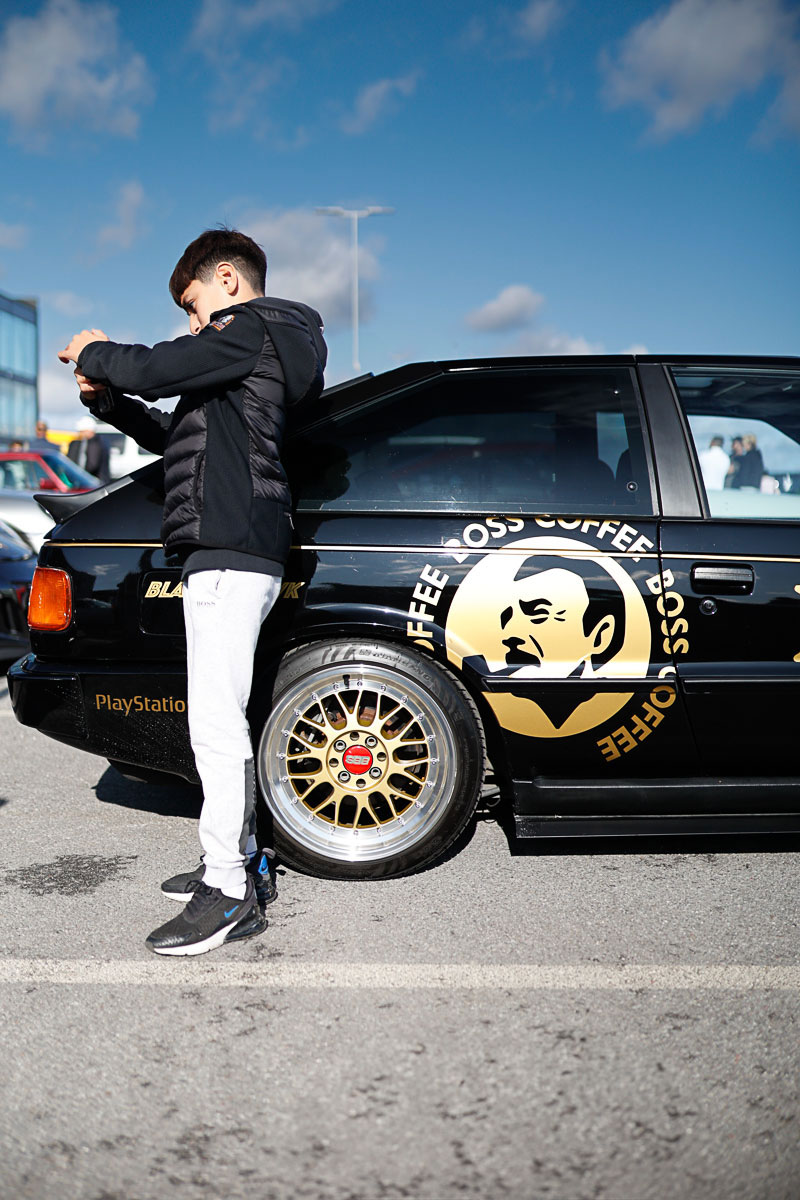
The Boss Coffee logo, with the pipe-smoking man, sits slightly crooked above the rear wheel and takes a perfect place on the car.
The gold color of the BBS wheels melts into the car as a whole and makes me take a step back to really see what this unusual car looks like from a distance.
Behind me, one of many Porsche 911 GT3s rolls by with the classic deep Porsche rumble — I let it pass unnoticed since I can’t take my eyes off the black car.
The rear end is rounded and looks smooth, and while I’m looking at it, images of what an original example might have looked like roll through my head.
This one has been modified in a tasteful way, because I don’t remember an Isuzu Piazza ever being — or looking — this cool.
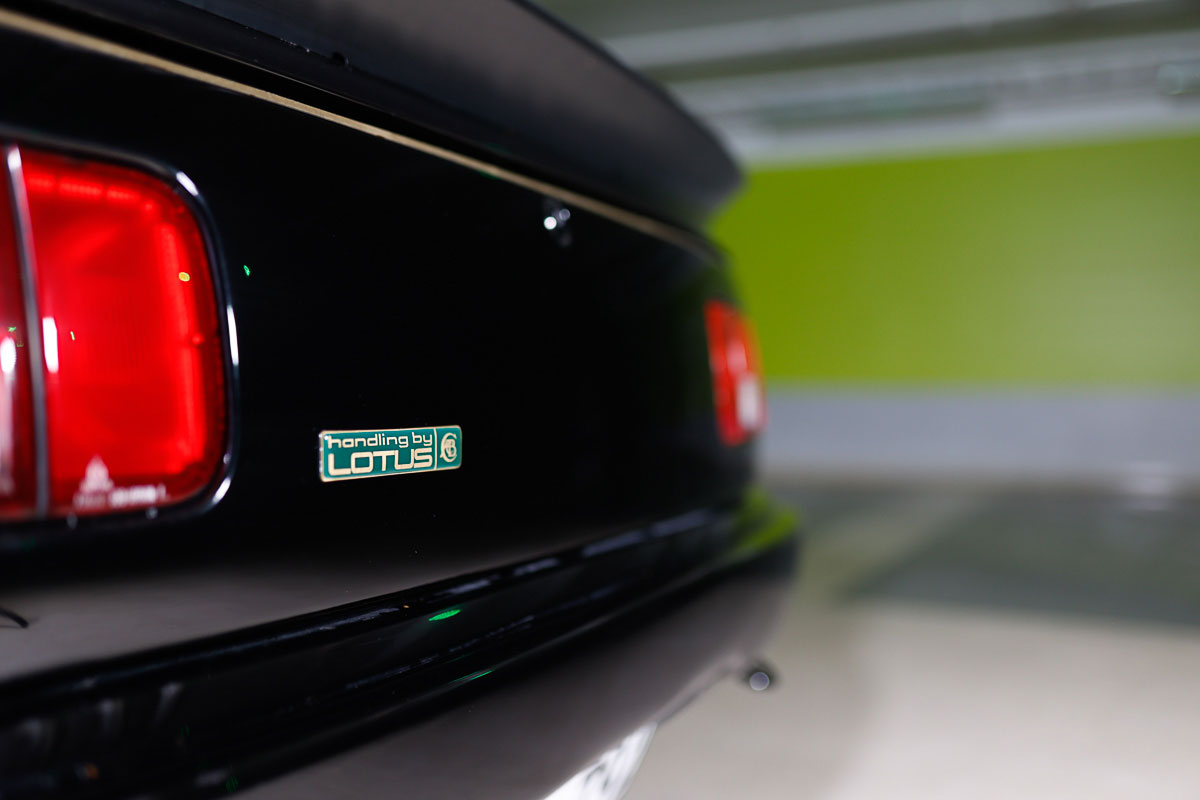
Handling by lotus
The famous designer Giorgetto Giugiaro is the man behind the Piazza’s wedge-shaped design.
Recognize the name?
Well, he also designed the Lotus Esprit, VW Golf MK1, BMW M1, and FIAT Panda, among others.
For all of these designs, along with several car and camera designs, Giorgetto was awarded the title “Car Designer of the Century” in 1999.
The Piazza was shown at the Japanese Motor Show in 1979, and within a matter of weeks, the board of Isuzu had signed the papers approving the concept car to go directly into production without any major changes. So, in 1981, the first car rolled off the production line and headed toward its buyers.
GM was probably pulling some strings quietly in the background, since they were major shareholders in Isuzu. The car was sold in the USA as the Isuzu Impulse, in Japan and Europe as the Piazza, and in Australia as the Holden Piazza.
The Piazza did, however, receive a rather cold reception on the market, and many journalists thought the car was boring and unstable when they drove it — and also too expensive.
Isuzu was, and still is, known for manufacturing trucks, so when the successor to the stylish Isuzu 117, the Piazza, was introduced and placed in the higher regions of the price lists, customers didn’t exactly come running. Instead, they probably chose more well-known and established brands and models like the Porsche 944 or Mazda RX-7.
But in the middle of the 1980s, probably GM, had had enough of the negative numbers and criticism and suggested that Lotus, which at the time was owned by GM, should get their hands on the Piazza and “sort it out” — making it more enjoyable to drive.
Lotus got to work and started the project: “Handling by Lotus.”
Got the 141 hp turbo engine
I can’t say I had read much about this car before standing face to face with it in the parking lot at Motikom — but the fact that Lotus stepped in at the end of the 1980s and sorted out everything related to the handling is something I’ve read about a couple of times - maybe more to that the name Lotus was highlighted - then the Isuzu Piazza itself.
With Lotus’ touch, this car went from being criticized and considered “difficult to drive” to becoming a fun car to drive and challenge roads with, according to many motoring journalists.
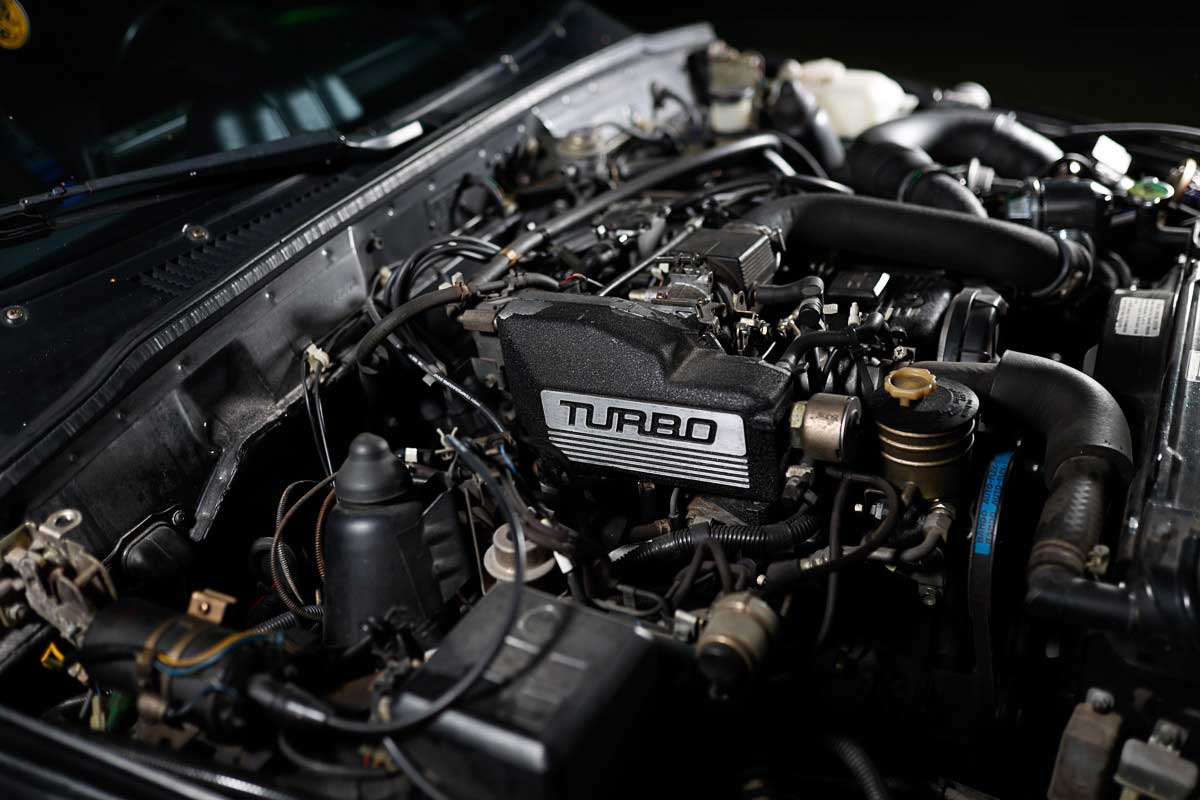
Lotus replaced almost the entire suspension setup, sorted out the steering, fitted bigger brakes, and in Europe, the package also came with Isuzu’s 2-liter SOHC turbo engine producing 141 horsepower, which at the time was considered quite a good figure for a Japanese car.
It did little to help, however. The car didn’t sell much better because of it, and in 1992 production was discontinued.
So why is the Isuzu Piazza so rare today?
As mentioned, the model was never sold in particularly large volumes, and only around 113,000 examples were produced in total, with approximately 13,000 of them being the “Handling by Lotus” version.
To make a comparison with another car designed by Giorgetto, the Volkswagen Golf Mk1, which was produced in nearly 6.8 million examples during the same era.
Since the car was built in relatively small numbers, spare parts and body panels quickly became difficult to find, and many Japanese cars from the 1980s also suffered heavily from rust problems, especially in the UK and northern Europe.
All of this led to many examples of the Piazza disappearing already during the 1990s.
But that didn’t stop Tomas Jönsson from getting one.
This is not Tomas First Piazza
When I later meet Tomas, he says with a smile that this isn’t his first Piazza.
“No no, I had a white one too many years ago. A friend contacted me and said: this is the kind of car you should have — nobody else has one.”
He had found it on Rejsa.nu (a Swedish website/forum for racing-related topics).
At first Tomas thought — no, this thing is ugly as hell — but after a while it started to grow on him, and eventually he went there to have a look at it.
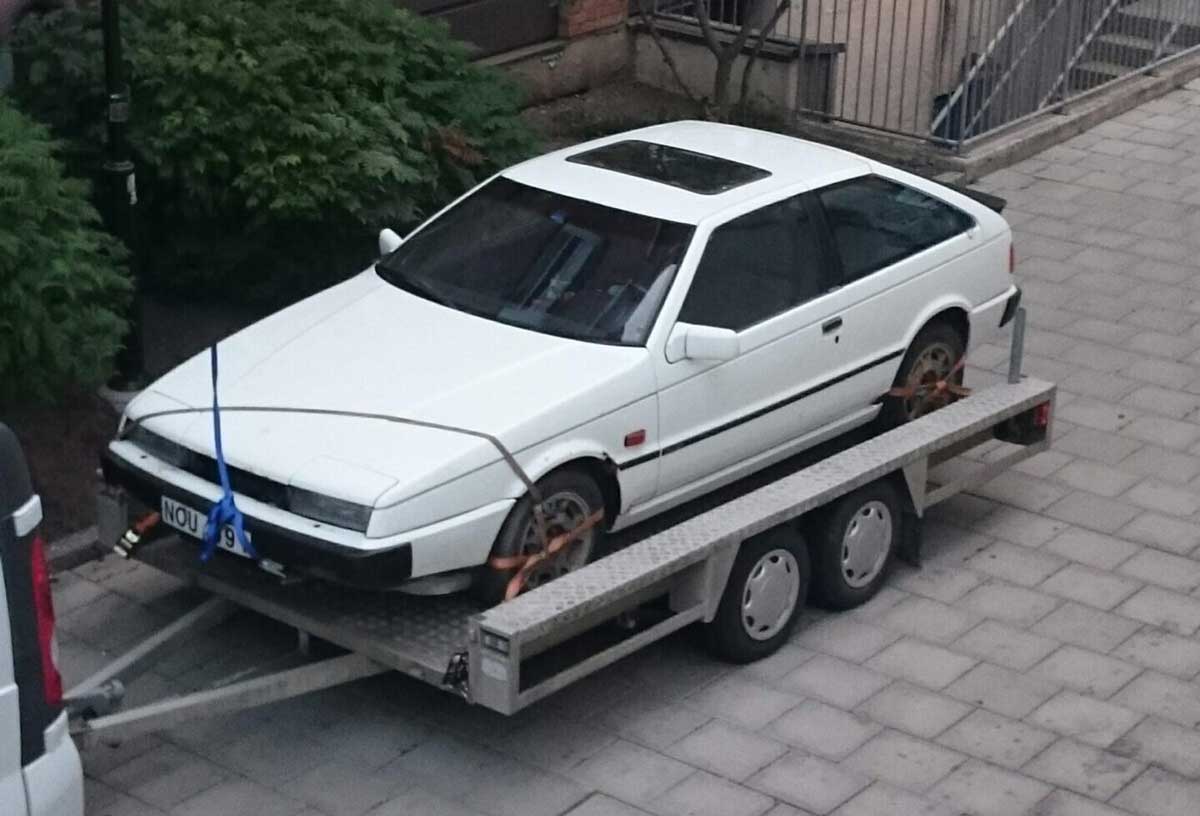
For seven years it had been sitting under a tarp on a lawn.
Yep, everyone takes a deep breath and understands where this might be heading.
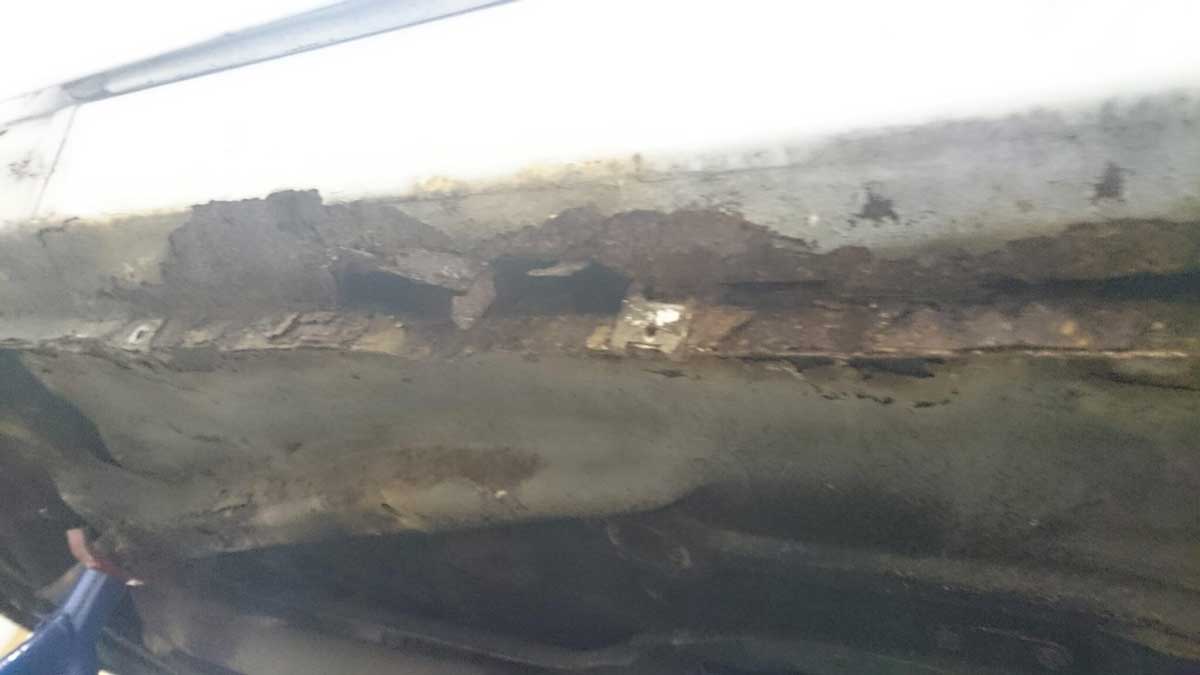
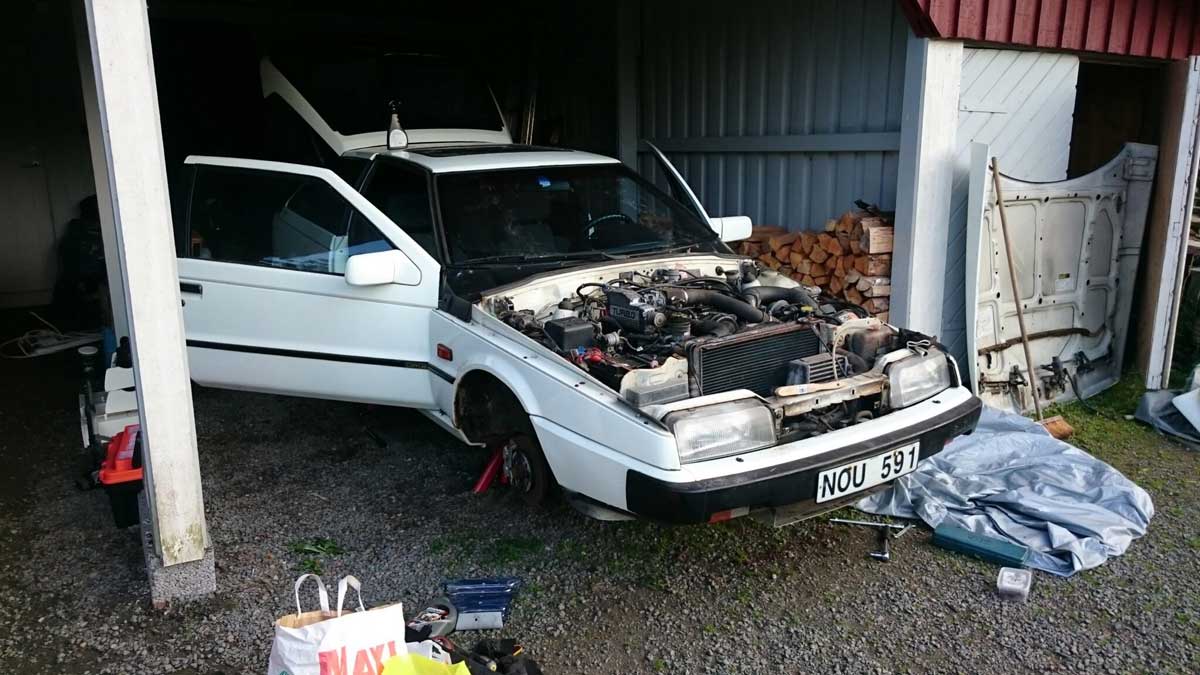
“I got it running mechanically, but during the inspection it failed because of rust, rust, and more rust.”
“At the time, I had neither the time, money, garage space, nor the knowledge to save it, so it had to move on. I sold it to a man who was going to take it to Bulgaria to restore it there, since labor is cheaper, but as far as I know it’s still in Sweden, although deregistered.”
Tomas first Piazza that did meet the rust
second piazza on the road as pandemic kicks in
Five years after the first Piazza was sold, the car account got topped up.
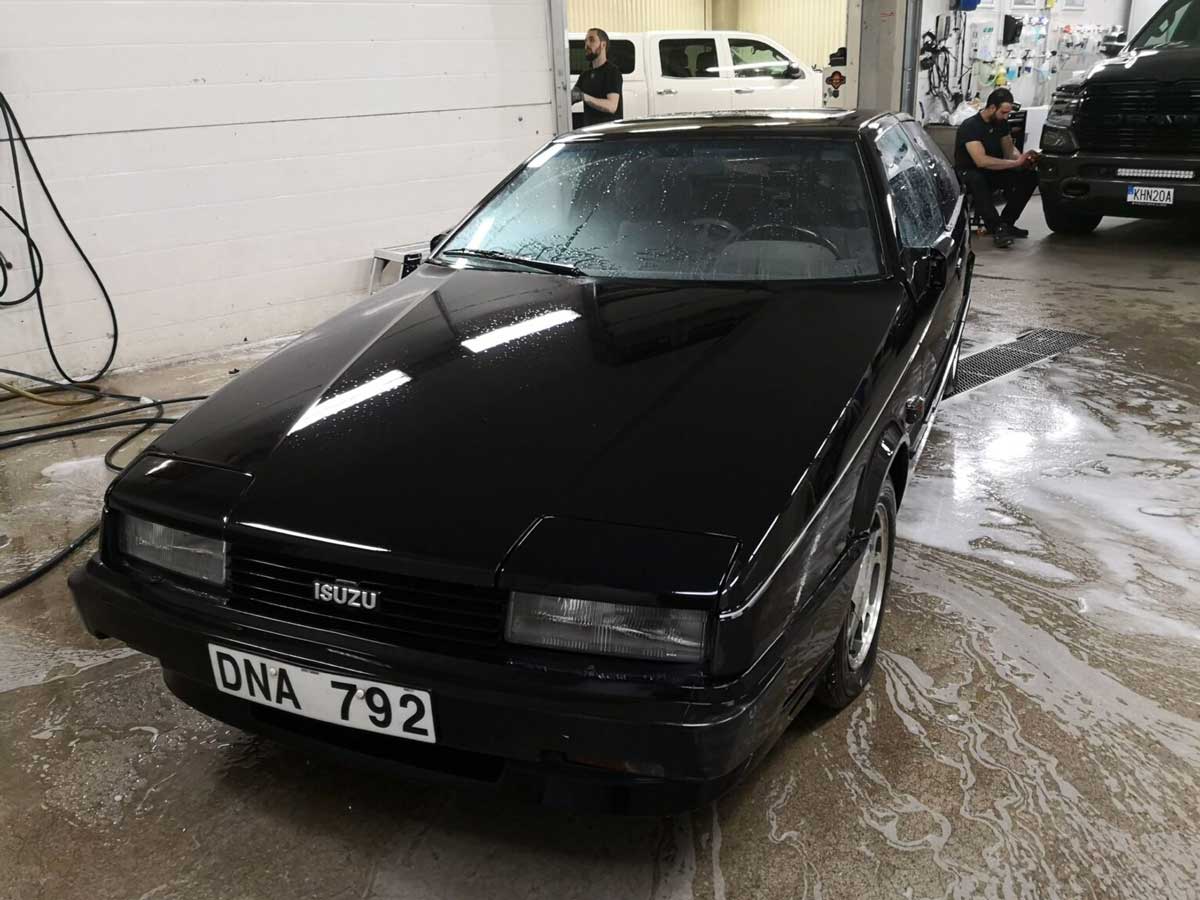
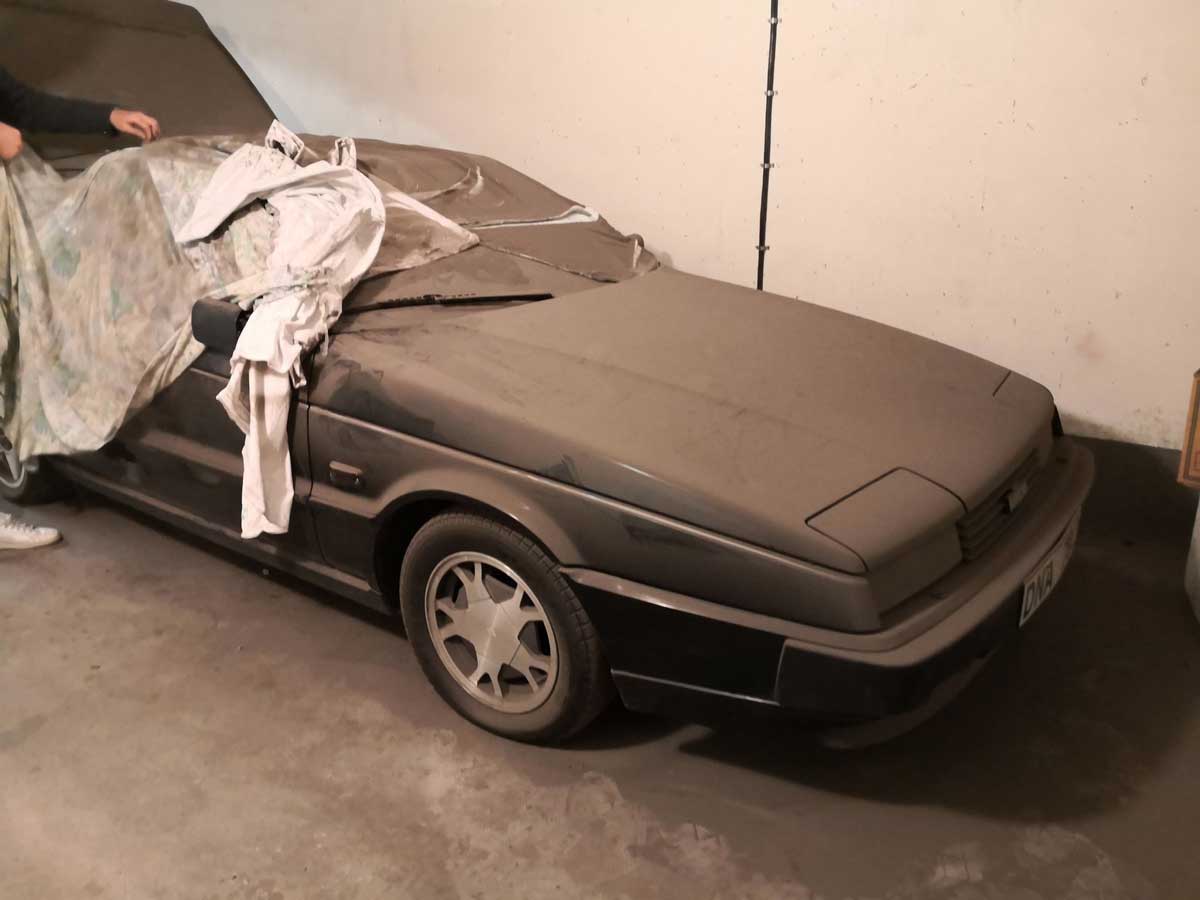
In April 2020, Tomas received a phone call from a friend who desperately needed to get rid of his black 1989 Piazza because it was taking up a garage space he urgently needed.
The car had only done 6,000 kilometers and was in incredibly good condition with absolutely no rust at all.
With love, passion, a wash, and a major service of the engine and brakes, Tomas got the car running again after almost five years of standing still.
During inspection, the car failed because of a leak in the exhaust system, which was later fixed with the help of a colleague from work.
Now it was summer in the middle of the pandemic in 2020, and the Piazza was back on the road.
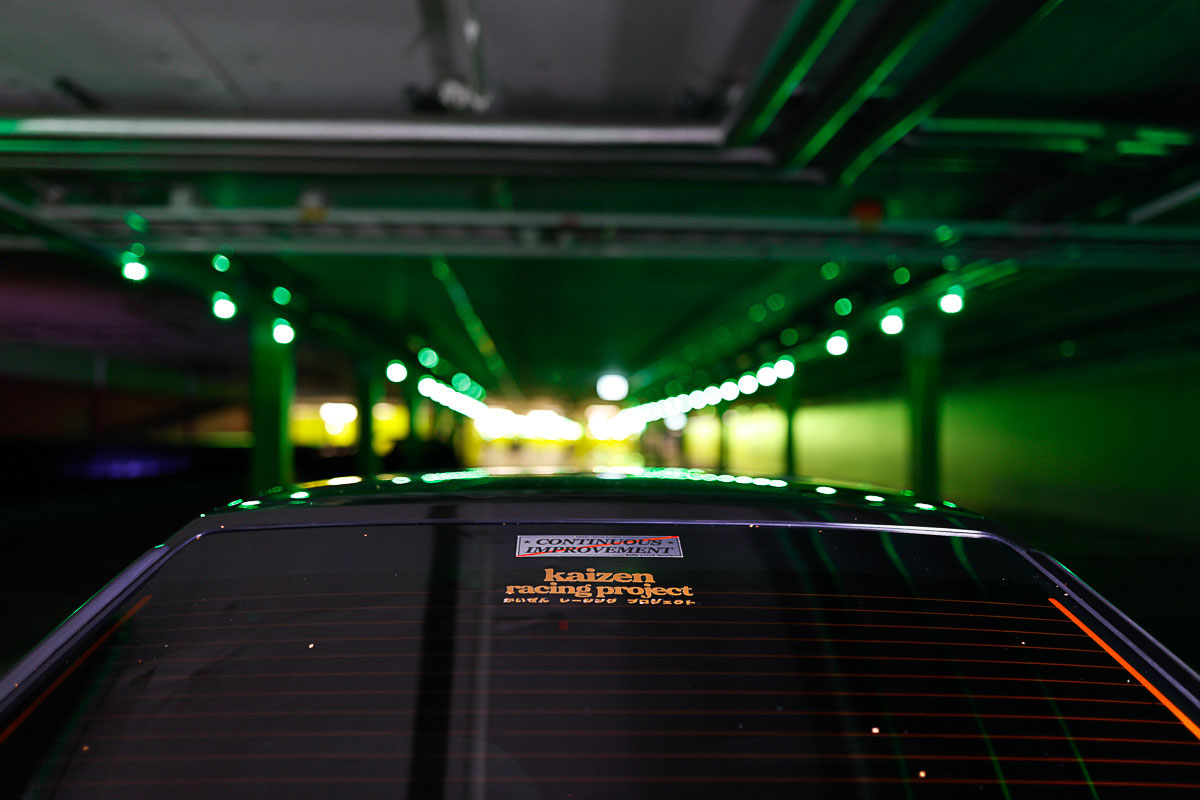
Kaizen Racing Project
So what have been done?
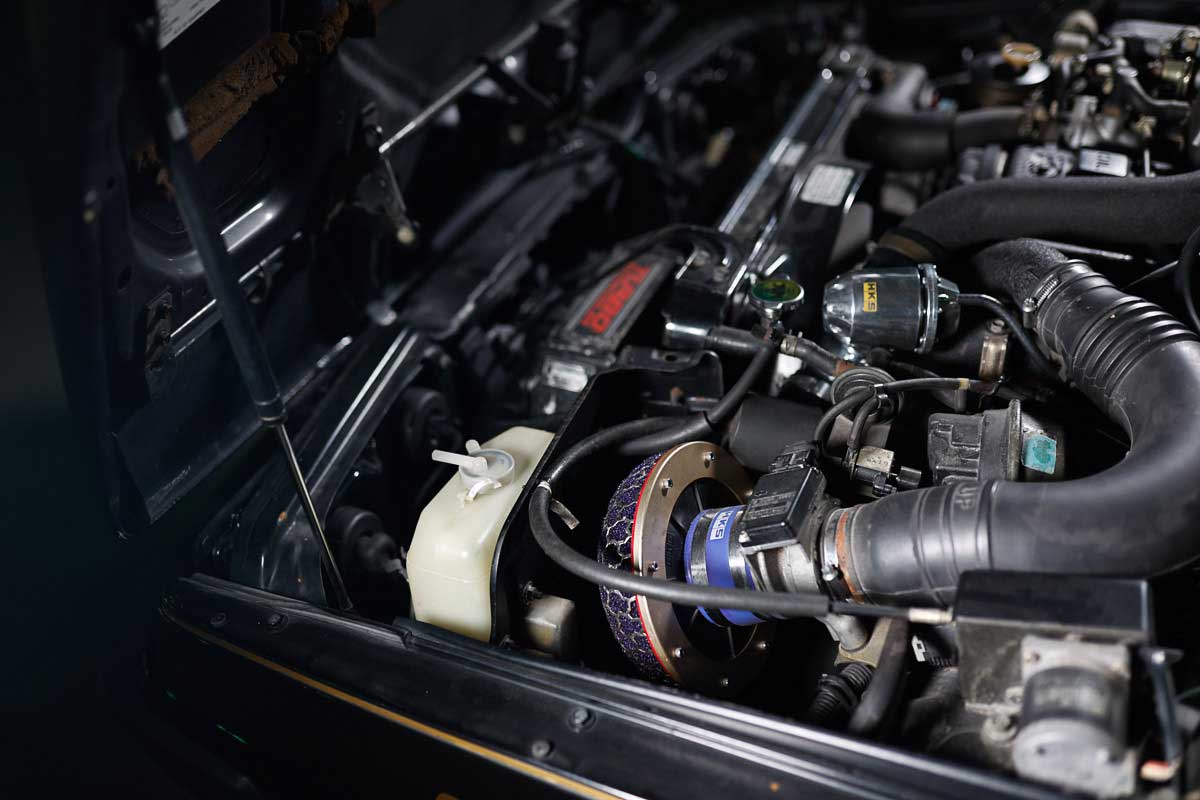
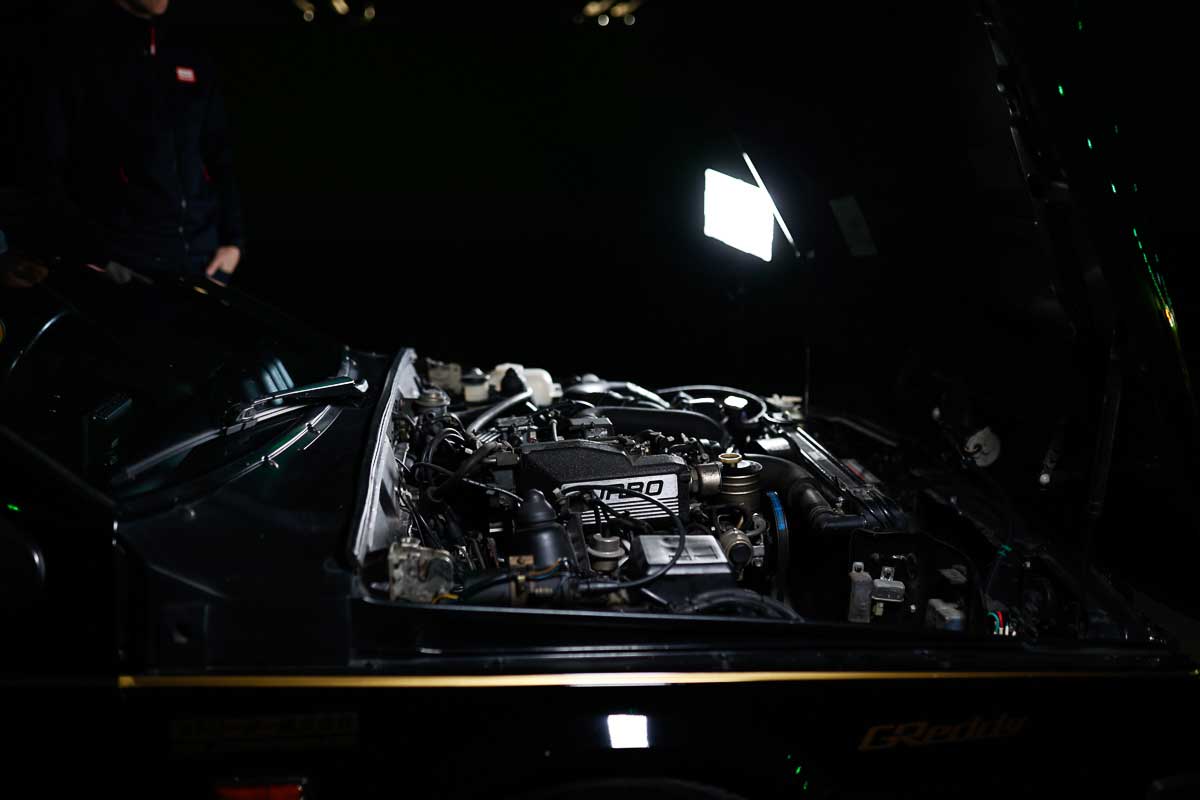
When it comes to the engine, Tomas hasn’t dared to chase much more power since parts for it are so difficult to find if something were to break.
But that hasn’t stopped him from building his own stainless 2.5-inch exhaust system, with straight pipes and only an HKS muffler at the end, or that was the thought from the beginning.
However, the inspection later complained about it, so Tomas had to install both a catalytic converter and a silencer insert to be road legal again.
Apart from that, he swapped to an open HKS air filter that he found in Australia and also runs an open blow-off valve to get the nicest possible turbo sound.”
When asked why this particular car, Tomas answers:
“My first car was a Nissan S13 that I got in 2002, and I’ve had a lot faster cars like Porsche 911 and AMG Mercedes’, but I wanted to get back to basics. A classic 80’s car with the wedge design, the smell inside, the turbo sound, it’s just something special about it.”
At the same time as we talk about why it became this particular car, Tomas pulls out a paper-wrapped package. Inside lies a pair of newly made custom designed Turbo fans..
While he continues talking, he taps on the Turbo Rims on the gold-colored 16-inch BBS LM wheels.
They fit perfectly.
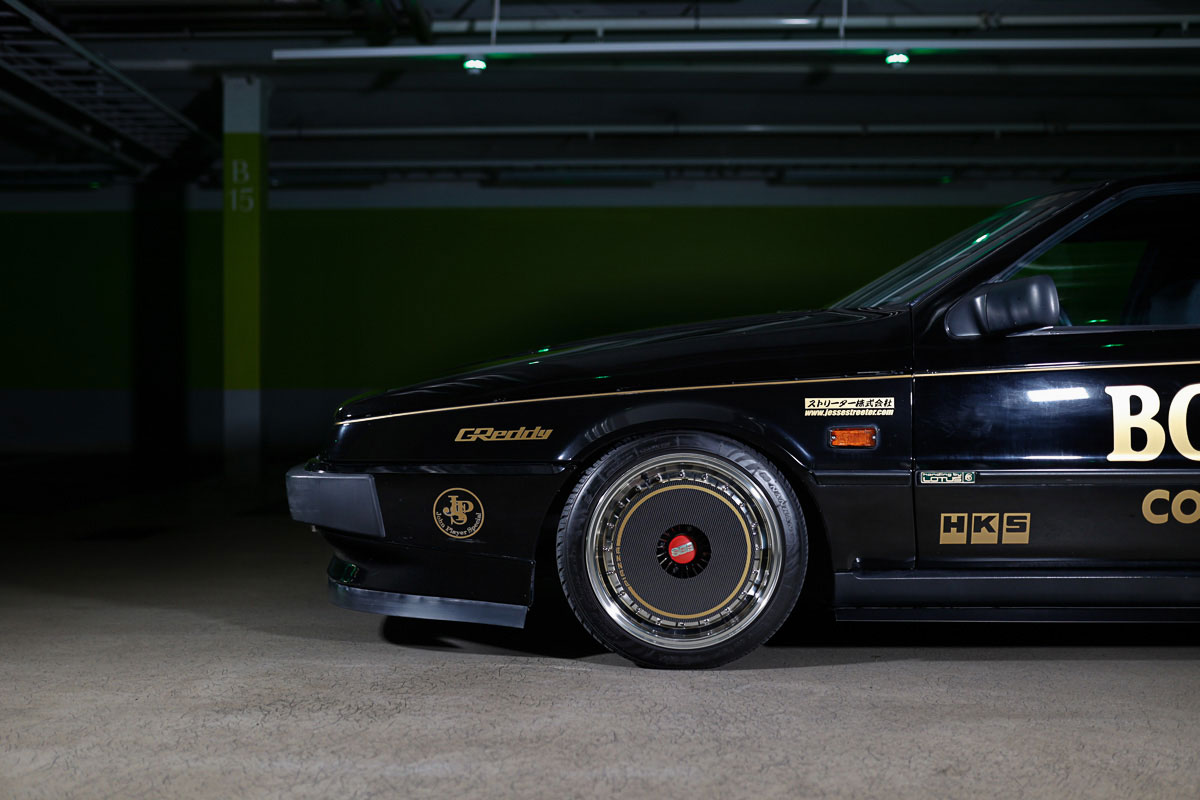
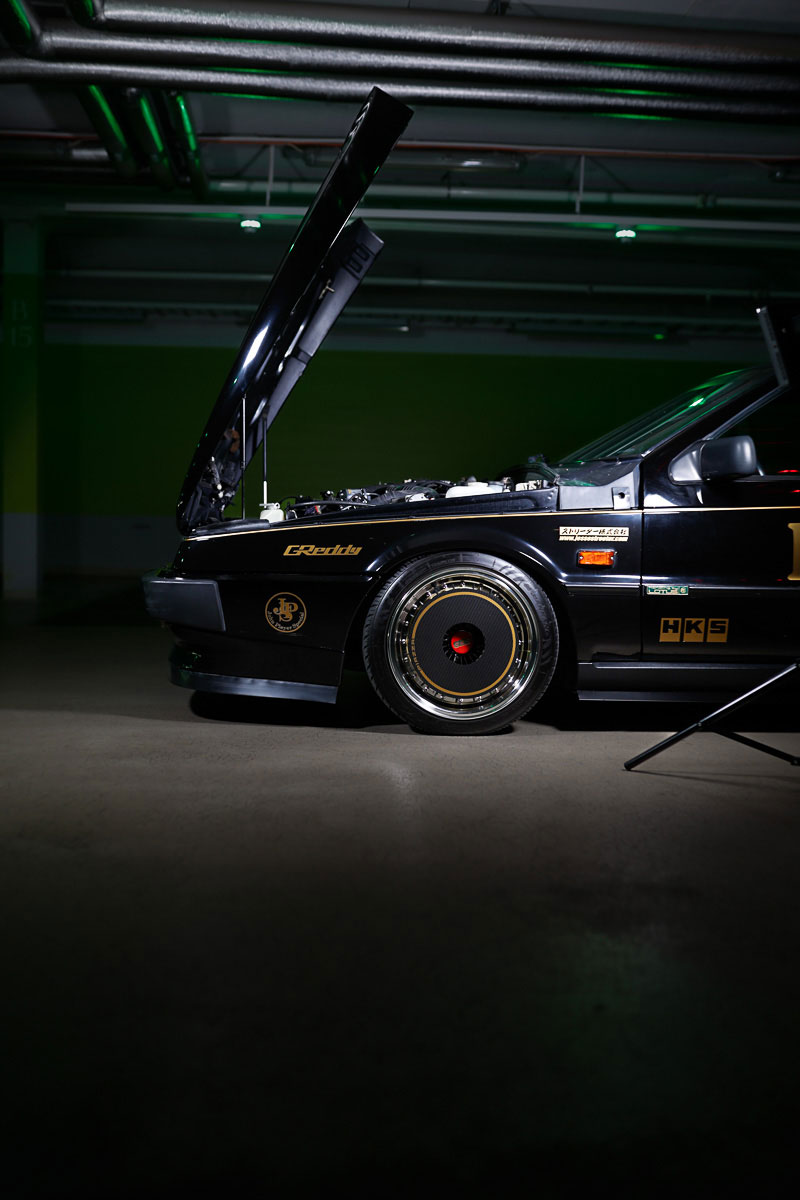
Before the BBS wheels, the car wore a set of gold five-spoke 17-inch Kosei Snipers that Tomas had wanted ever since he owned his Nissan S13 back in 2002. But they didn’t sit quite the way Tomas wanted them to, so after the first summer these BBS wheels went on instead.
“I bought the Zoom lowering springs from Japanese Yahoo Auctions, which were supposed to lower the car by around 3.5 centimeters — yep, low it became…
… and there are adjustable Spax dampers installed all around.”
Tomas is about to rebuilt the frontbrakes and fit a pair from a Nissan R33 GTS-T to give the Piazza more powerful stopping ability.
The steeringwheel setup is 10/10
Tomas continues going through the list of things he has done to the car.
The two-piece headlights are taken from the Japanese market, which makes the car look much more alive and playful compared to the single-piece headlights that were originally fitted here in Europe.
“When I bought the car, I got a bunch of parts with it that had been stored away in boxes in my storage, and in one of those boxes I found a Raid steering wheel with that classic Italian 1980s design also used by Luisi, Nardi, and Momo.
So I mounted the steering wheel only to discover that it ended up far too close to the dashboard, which meant I accidentally kept turning on the indicators every now and then without even intending to turn … not the perfect solution.”
So Tomas tinkered around a bit and explains that many people say “you shouldn’t do it and maybe it’s unsafe” — but if you do it properly, a steering wheel extension with a quick release can actually look really good and sporty.
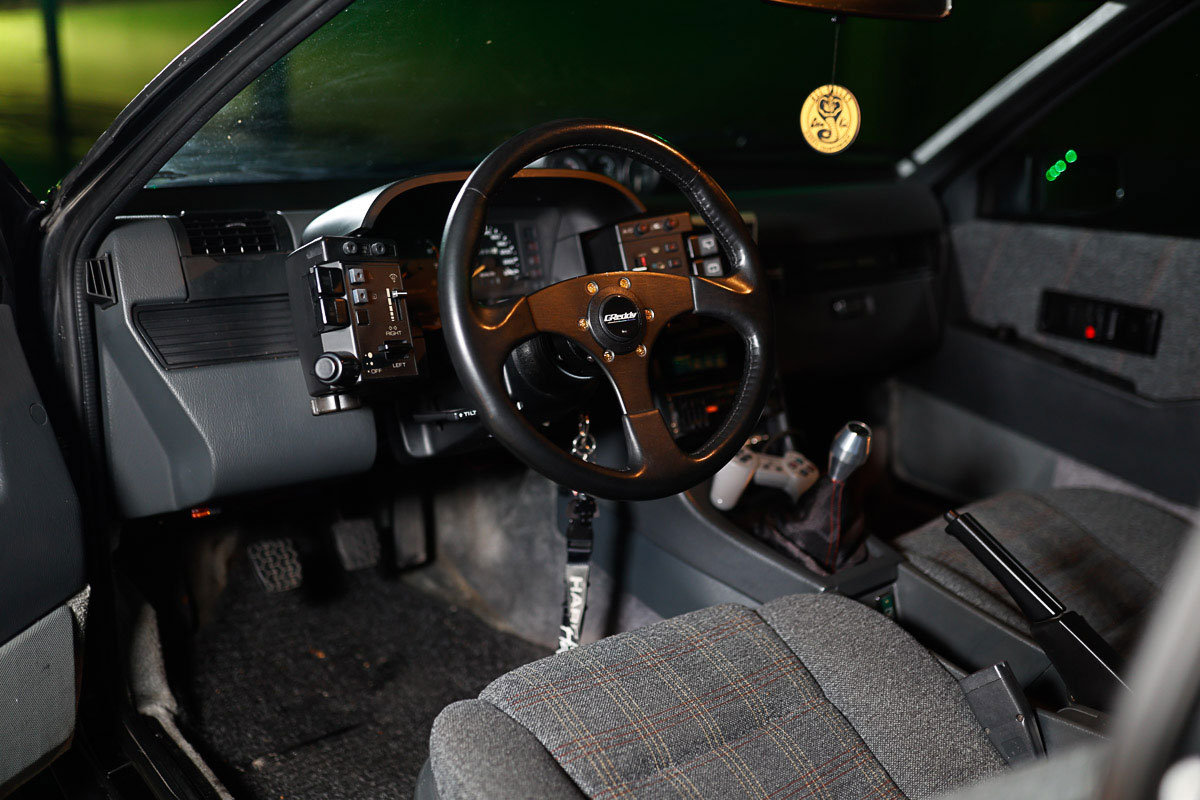
“I also managed to get my hands on a brand new GReddy horn button from Japan, and a set of gold-colored bolts for that extra detail that makes the whole steering wheel setup a real 10/10.”
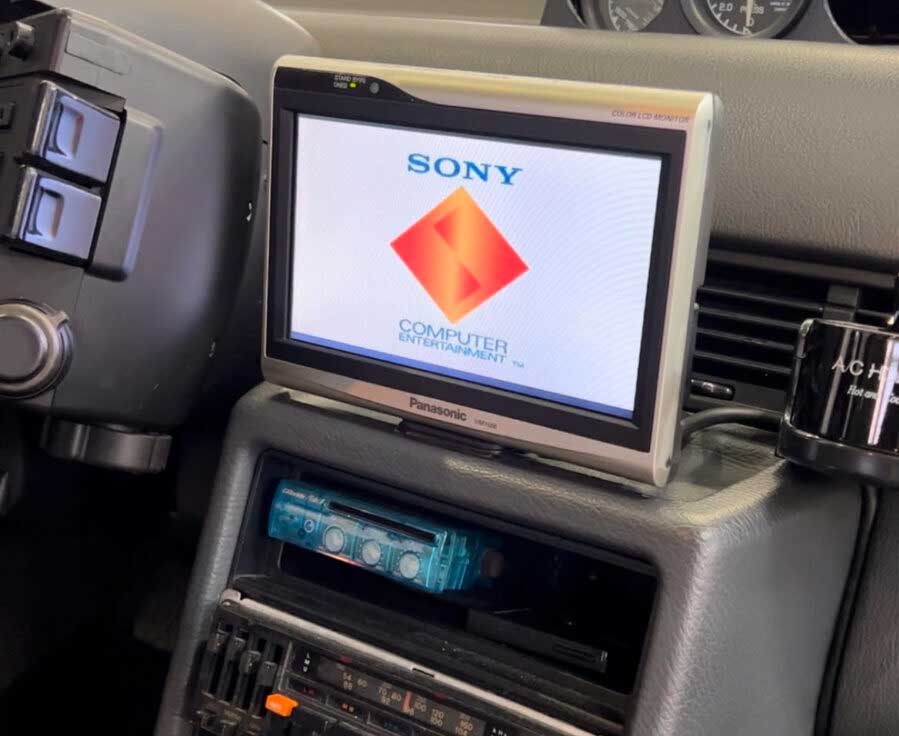
the playstation 1
“There are quite a few things that have been bought through Japanese auction sites over the years.”
Among other things, the speakers mounted on the rear parcel shelf.
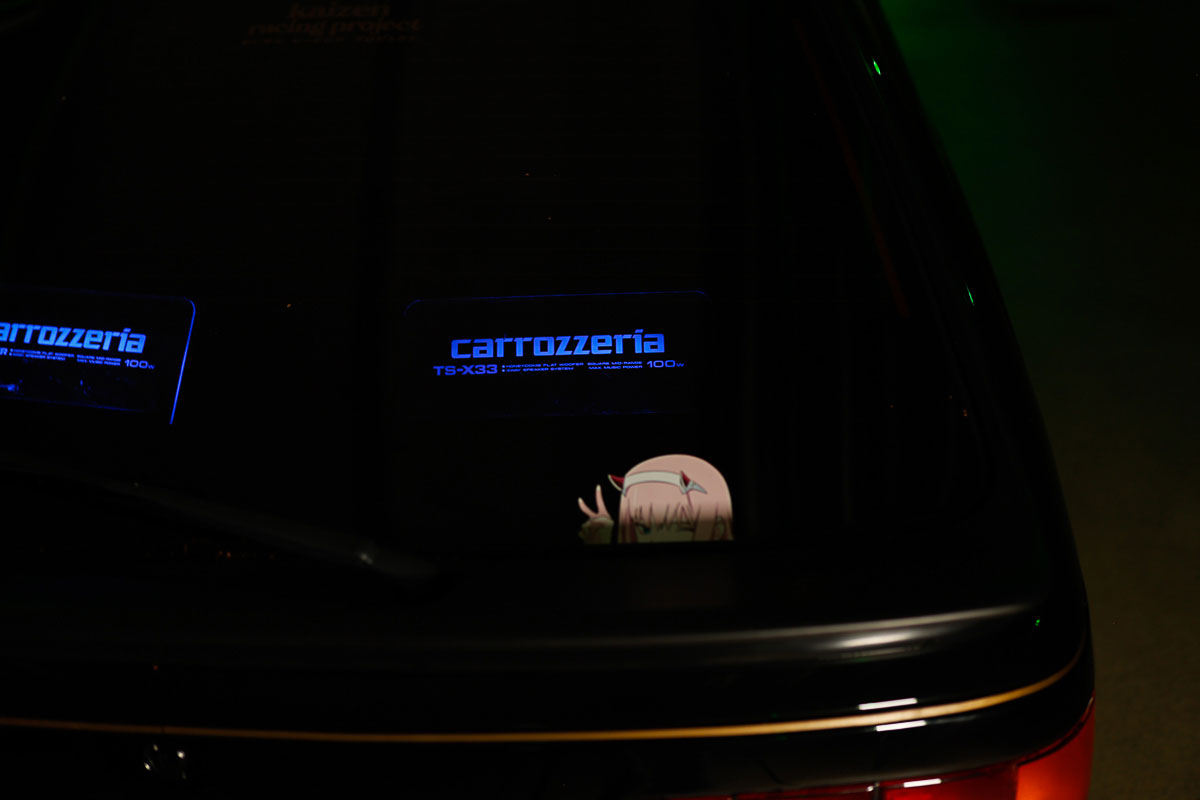
A pair of Pioneer Carrozzeria TS-X33s that, back in the day, were the coolest thing you could have, since a blue diode glow spread from them across the rear window.
“The speakers have gone through a full restoration, and the diodes have been replaced with LED strips instead. And to make it even more period-correct, they’re connected to an original John Player Special cassette player with an equalizer.”
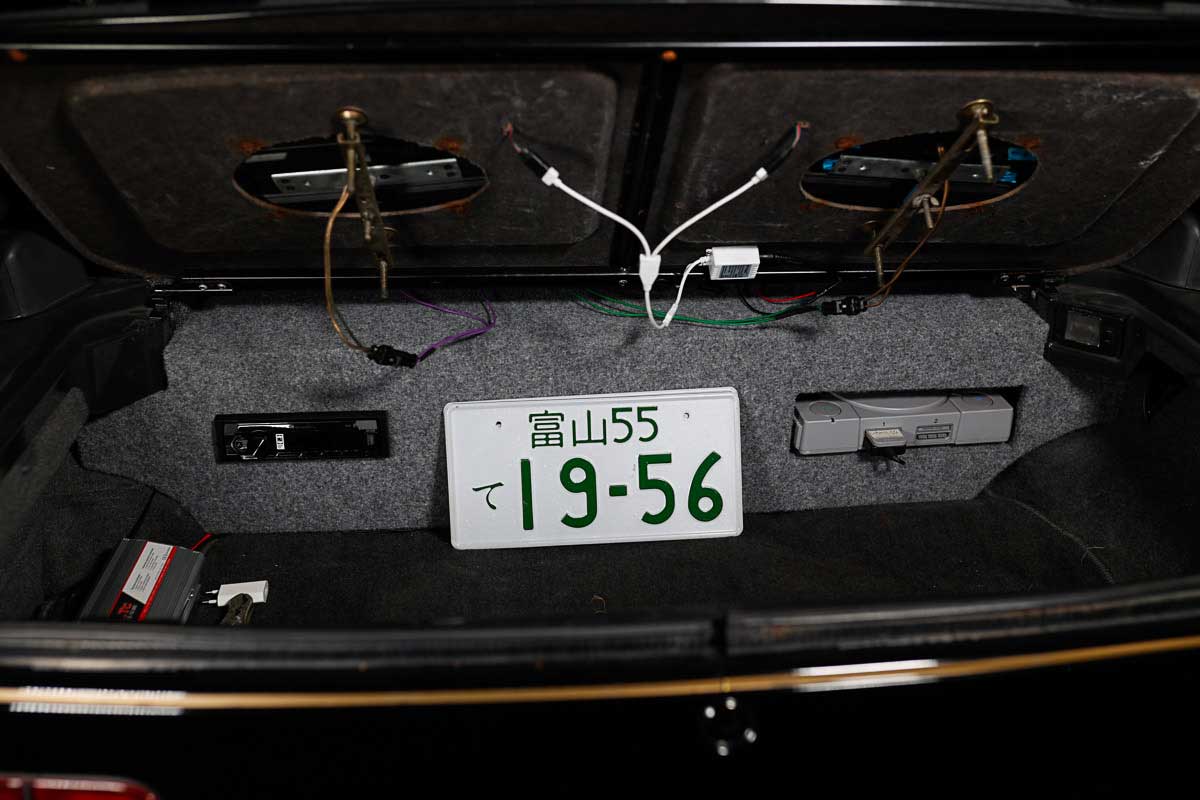
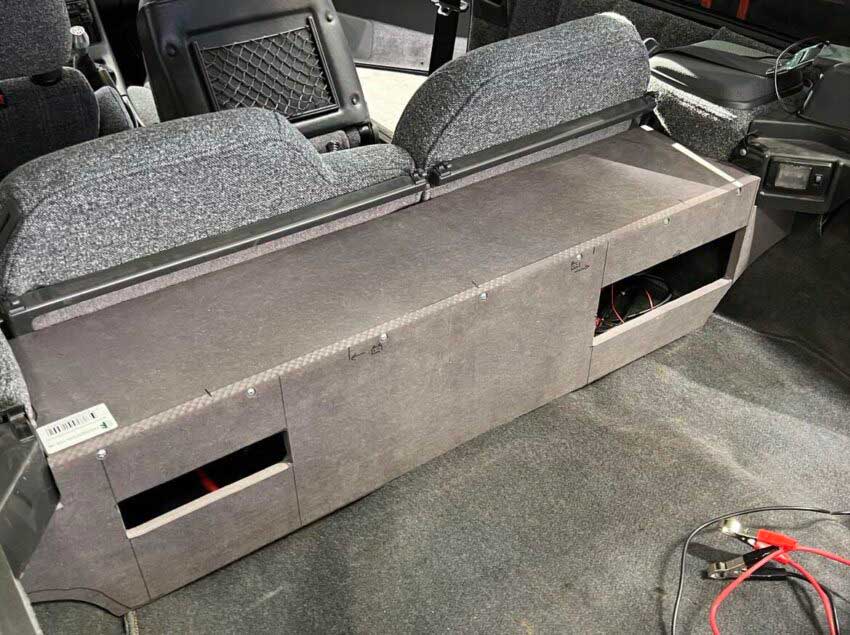
While I stand admiring the glowing speakers, Tomas lifts the parcel shelf.
Underneath lies a classic light grey PlayStation 1. The characteristic flat box with its equally characteristic controller connector sticks out slightly from its somewhat darker grey cave.
Fast N Furious PlayStation
Tomas built the entire grey rear insert himself to make room for everything needed for this incredibly fun, fantastic, and imaginative idea.
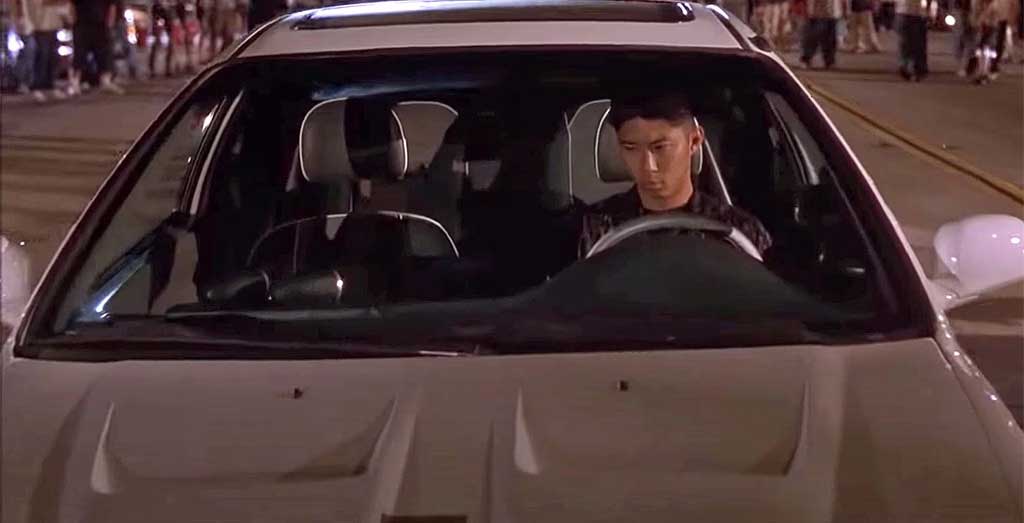
“Do you remember in the Fast N Furious movie when he sits playing PlayStation 1 in his car and says ‘Damn, that guy’s fast,’ referring to Dom Toretto?”
I nod my head, “yeah, yeah.”
The character in Fast N Furious is called Danny Yamato, and Tomas, who is a huge Fast N Furious fan, thought that would be really cool to recreate in the Piazza.
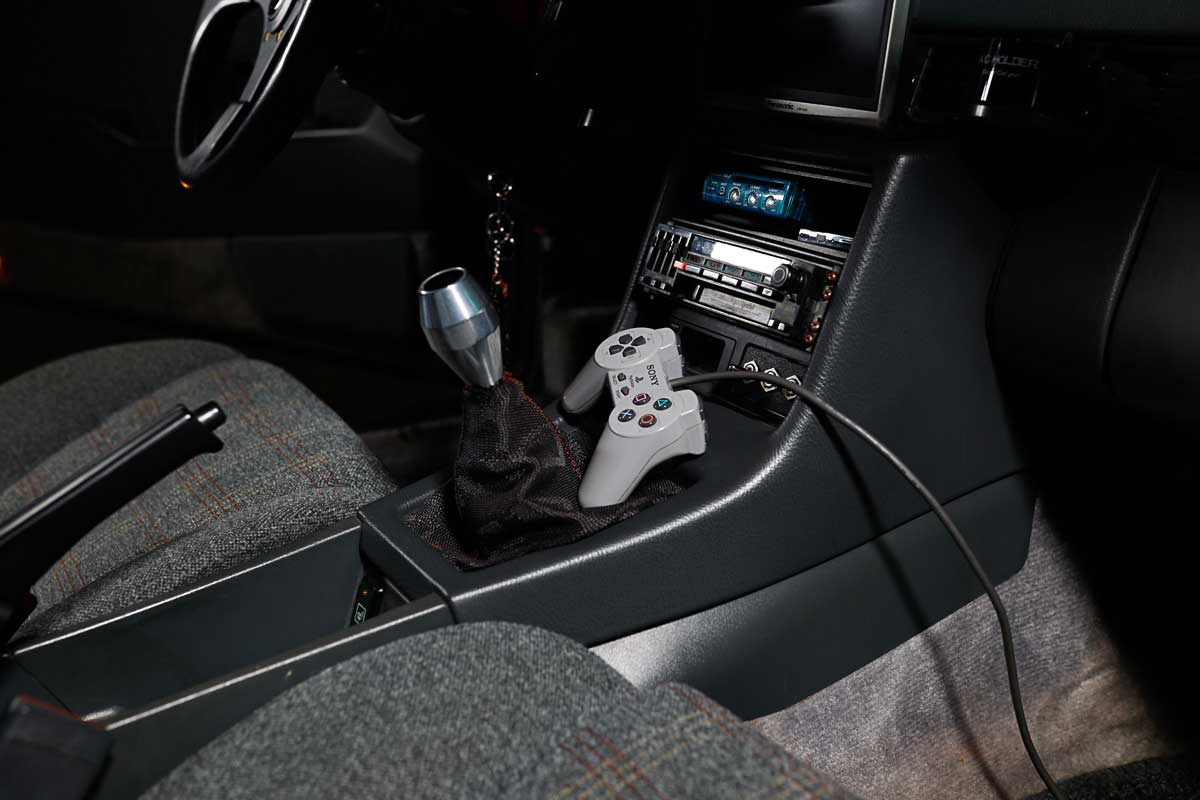
“At first I thought about connecting some Android solution with a big screen up front by the center console — but that would have looked way too modern, so I went with the same exact setup as in the Fast N Furious movie when he’s sitting there playing.”
With the help of Google and various auction sites, Tomas managed to get the exact same screen, still in its box, as well as a PS1.
“A bit later, when I was going through the attic at home, I actually found my own old PlayStation 1, but well…”
"Nerdiness on another level!"
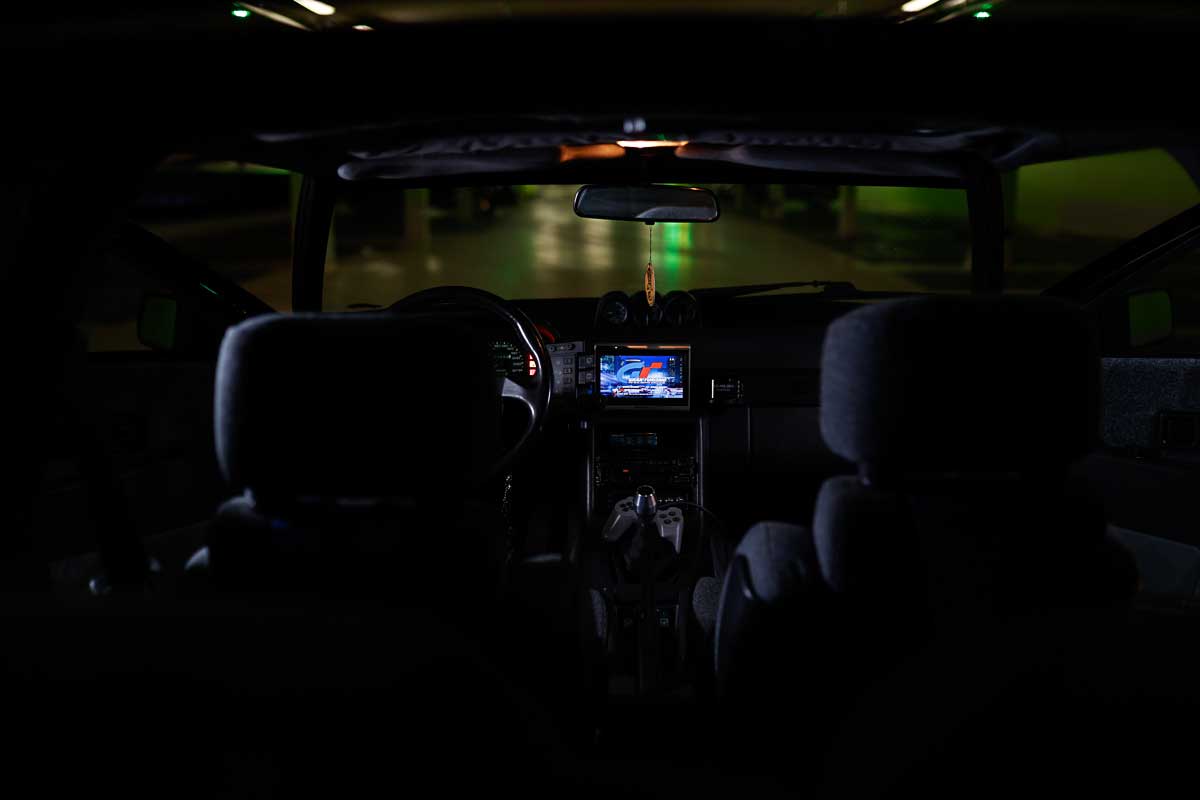
I sit down in the driver’s seat to watch the 7-inch Panasonic screen come to life.
The image is sharp like a color palette, and the sound is exactly how I remember it from when I myself used to sit there chasing competitors lap after lap.
“With help from colleagues and friends, we managed to wire everything up and get it working.”
The battery has been upgraded to a 96 Ah unit to avoid interference in the electrical system and to make sure the car still starts after a gaming session.
“All the wiring was then connected to a panel with toggle switches mounted in the dashboard, controlling the Pioneer stereo, the Japanese rear speakers, and the underglow lighting.
The LED strips installed in the speakers are controlled with the remote that came with them.”
I smile to myself, and before I can even ask or say anything after Tomas has explained the installation, he bursts out with a huge grin across his face:
“This is nerdiness on a detail level!”
We both laugh, and I can only be impressed by how Tomas has gone the extra mile to make all of this work.
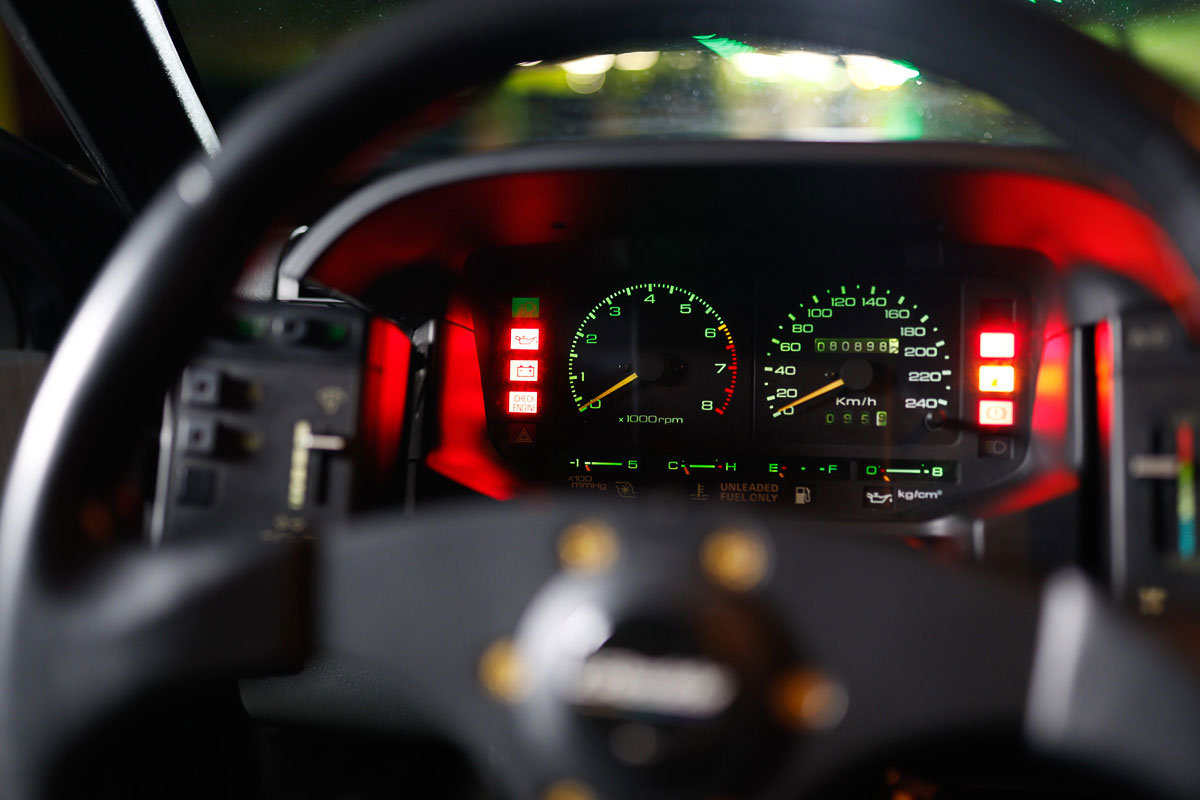
giorgettos buttons
As I sit there in the tweed-covered driver’s seat with the blue Trust seatbelt, I notice the classic buttons and controls that the Piazza is also known for, since they are almost integrated into the steering wheel.
Giorgetto had the idea that everything should be reachable from the wheel without having to let go of it, which was a good idea, but visually it creates a jungle of options that someone unfamiliar with the car would probably struggle to figure out.
In front of me hangs a yellow “Cobra Kai” air freshener that makes me smile while thinking about Karate Kid.
HandlEd by tomas
I’m pulled out of my thoughts as I remember - did Tomas mention underglow?
Outside, I hear him say:
“Now I’m going to show you something I wasn’t allowed to have when I was 20, but absolutely should have now.”
I step out of the car and stand a bit away from it.
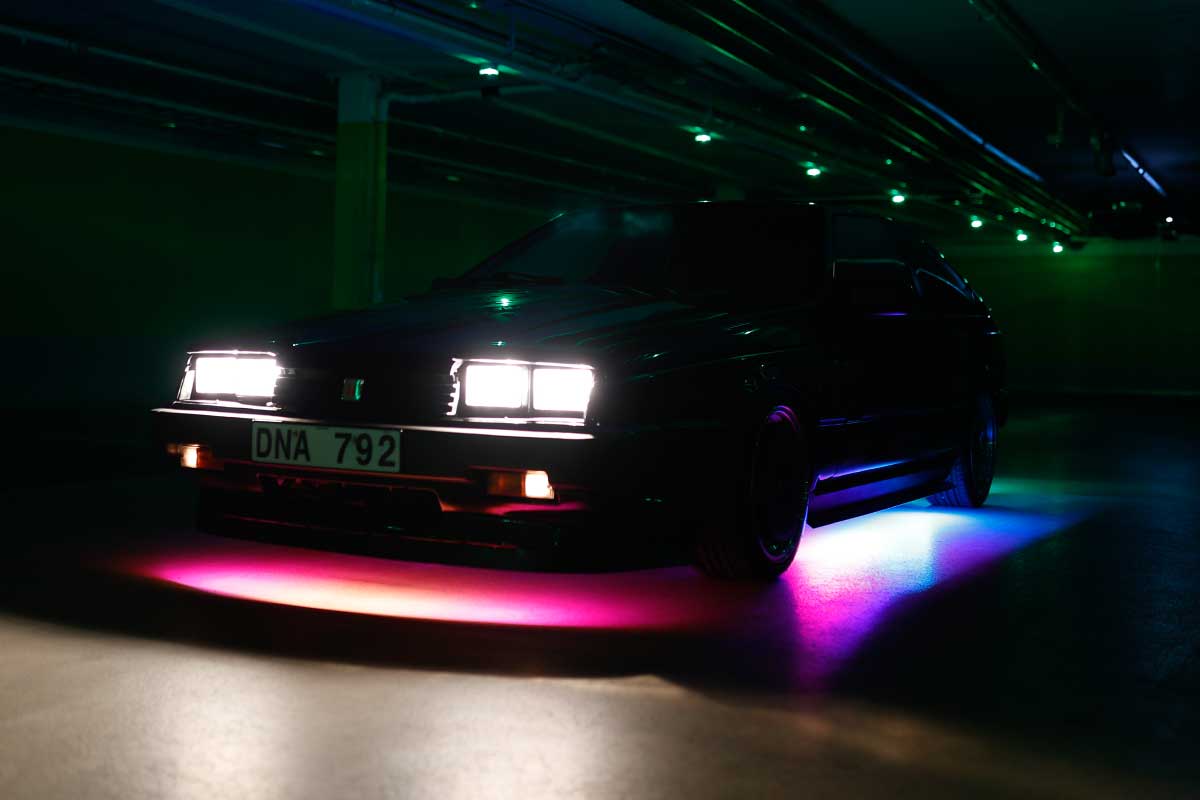
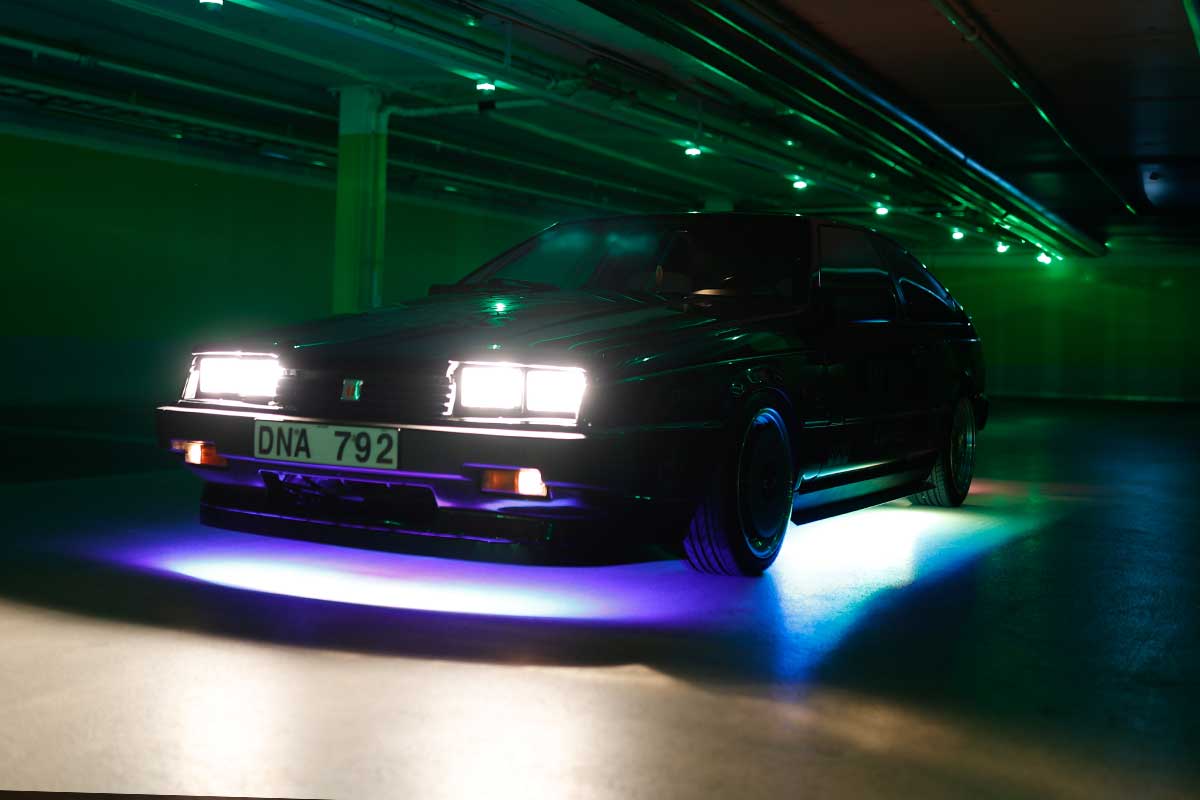
The ceiling lights in the garage are switched off, and suddenly a purple glow spreads beneath the car.
In the darkness, I can see Tomas smiling in the shine of the glow.
There we stand, the two of us watching as purple turns into blue, blue turns into green, and I get the feeling that we could just as easily be at a car meet in Los Angeles or Tokyo — or part of the Fast N Furious movie itself.
This is beautiful, thoughtful, and stylish nerdiness at the healthiest level possible when it comes to a car.
All the small changes Tomas has made have created a complete package that anyone in the JDM world would applaud.
The green badge with golden text on the rear of the Piazza should say “Handled by Tomas” instead.
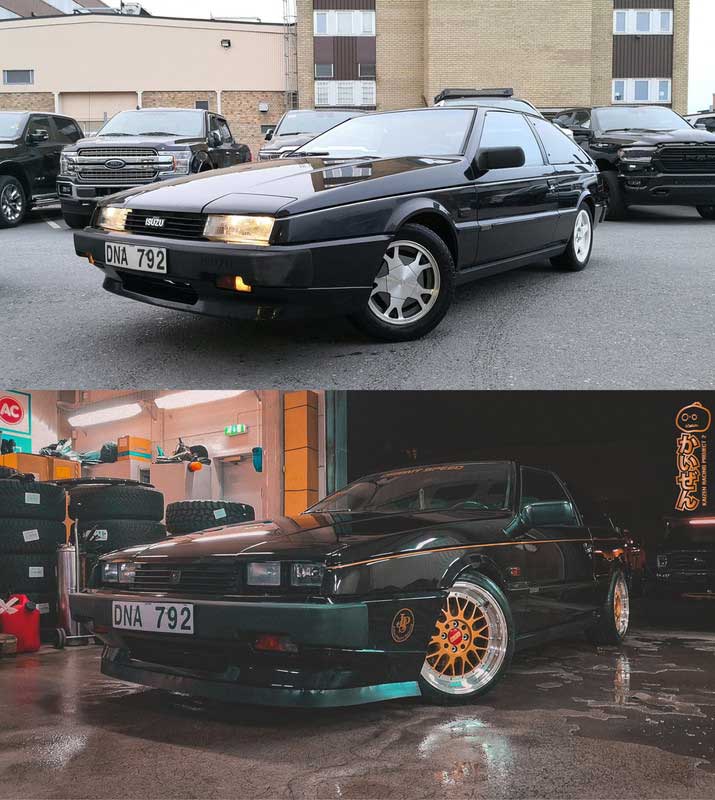
The classic before and after photo.

Related Articles


Related Articles

All rights reserved.
Fascinating Cars is a trademark of:
Edenberg Design AB
(559212-2617)
Näckrosvägen 19
Solna
Sweden
All content, images, and materials on this site are protected by copyright law.
© 2026 Fascinating Cars.

Travel with Fascinating Cars - get you inbox candy.


GET AROUND ON FASCINATING CARS:
ARTICLES
SHOP
ABOUT
CONTACT
All rights reserved.
Fascinating Cars is a trademark of:
Edenberg Design AB (559212 2617)
Näckrosvägen 19
Solna
Sweden
All content, images, and materials on this site are protected by copyright law.
© 2026 Fascinating Cars.